Mastering the Budget Process
Understanding Budgeting
What is a Budget?
A budget is simply a plan for your money. It’s a way to see how much money you have coming in and decide how you’ll spend it. Think of it less like a strict diet and more like a roadmap. It doesn't just tell you what you can't do; it shows you how to get where you want to go, whether that's saving for a vacation, paying off debt, or just feeling more in control of your finances.
Budget
noun
An estimate of income and expenditure for a set period of time.
At its core, budgeting is about making conscious decisions. Instead of wondering where your paycheck went at the end of the month, you direct every dollar to a specific purpose. This simple shift from reactive to proactive spending is the key to building financial stability.
The Building Blocks
Every budget, no matter how simple or complex, is built on two fundamental components: income and expenses.
Income is what you earn. Expenses are what you spend.
Income is any money that you receive. For most people, this is a monthly or bi-weekly paycheck. It can also include earnings from a side job, freelance projects, or any other source.
Expenses are everything you spend money on. To make planning easier, it helps to divide them into two categories: fixed and variable.
- Fixed expenses are costs that stay the same month after month. These are typically the easiest to plan for because they're predictable. Think of things like rent, car payments, or a subscription service.
- Variable expenses are costs that change from month to month. This is where your daily choices have the biggest impact. Examples include groceries, gasoline, dining out, and entertainment.
| Category | Examples |
|---|---|
| Income | Salary, Freelance Payments, Bonuses |
| Fixed Expenses | Rent/Mortgage, Insurance, Car Payment, Subscriptions |
| Variable Expenses | Groceries, Gas, Utilities, Entertainment |
Why Bother Budgeting?
Tracking your money might sound tedious, but the benefits are huge. A good budget acts as an early warning system, helping you spot potential financial issues before they become major problems. It brings clarity and a sense of control.
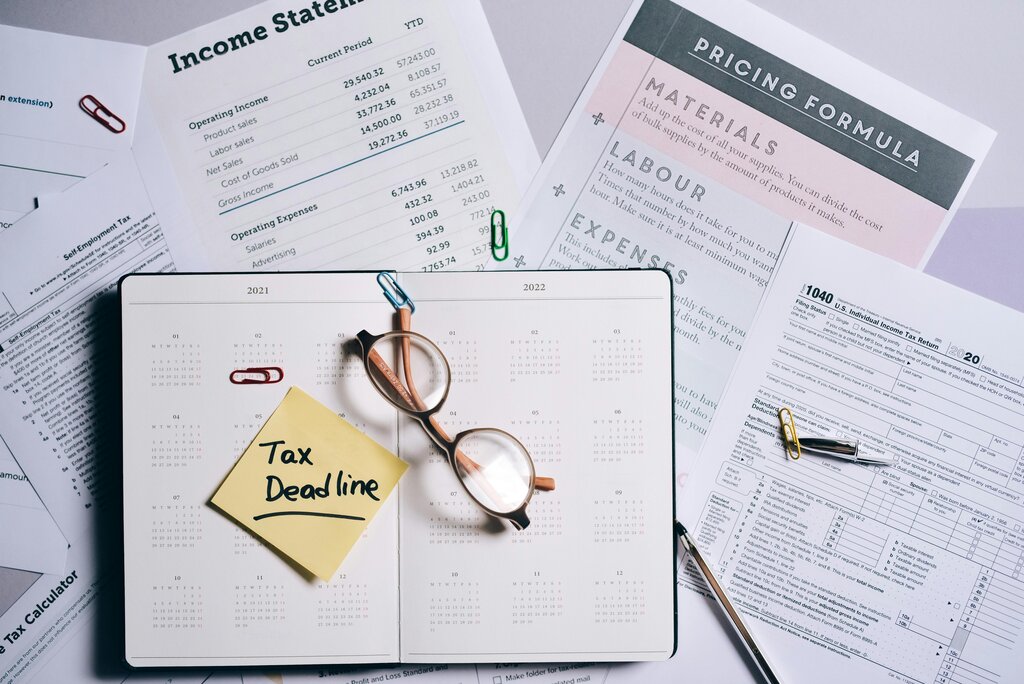
One of the biggest advantages is financial discipline. A budget forces you to prioritize your spending. It helps you see where your money is actually going, which can often be surprising. You might discover you're spending more on coffee or subscriptions than you realized, freeing up cash for things that matter more to you.
Budgeting is also the engine for achieving your financial goals. Want to save up for a down payment on a house? A budget shows you exactly how much you can set aside each month to make it happen. It turns abstract dreams into an actionable plan.
Finally, it significantly reduces financial stress. When you have a clear picture of your finances, you eliminate the anxiety that comes from uncertainty. You'll know if you can afford a spontaneous purchase and won't have to worry about whether you'll have enough to cover bills at the end of the month.
A well-structured budget is the cornerstone of personal finance management.
Ultimately, a budget isn't about limiting your freedom. It's about creating it. By managing your money intentionally, you gain the power to build the life you want.
Now, let's test your understanding of these core concepts.
What is the primary purpose of a budget?
Which of the following is the best example of a fixed expense?
Understanding these basics is the first and most important step in taking charge of your financial future.