Mastering the Basics of Stock Options Trading
Brokerage and Level Setup
Getting Approved to Trade Options
Unlike buying stocks, trading options requires special permission from your brokerage. This isn't just a formality. Brokers need to ensure you understand the risks involved. When you apply, they'll ask about your investment experience, financial situation, and risk tolerance. Based on your answers, you'll be assigned an approval level.
These levels determine which strategies you're allowed to use. Level 1 is the most basic, typically allowing you to write covered calls on stock you already own. To actually buy calls and puts, which is the focus of most introductory strategies, you'll need at least Level 2 approval. Higher levels unlock more complex, multi-leg strategies.
| Level | Common Strategies Allowed | Risk Profile |
|---|---|---|
| Level 1 | Covered Calls, Cash-Secured Puts | Limited, defined risk |
| Level 2 | Long Calls, Long Puts | Defined risk, potential for 100% loss of premium |
| Level 3 | Spreads (Debit and Credit) | Defined risk, more complex |
| Level 4+ | Naked Calls/Puts, Straddles/Strangles | Unlimited risk, for experienced traders only |
For the strategies we'll be discussing, your goal is to get approved for Level 2. The application process is straightforward on platforms like E*TRADE, Schwab, or Fidelity. Be honest about your experience. If you're initially denied, some brokerages allow you to re-apply after gaining more experience through paper trading or further education.
Cash vs. Margin Accounts
When you open your account, you'll also choose between a cash or margin account. For options, this choice has significant implications.
A cash account is simple: you can only trade with the money you've deposited. If you buy a call option for $200, you must have $200 settled in your account. For Level 2 strategies like buying calls and puts, a cash account is perfectly fine. It also prevents you from taking on debt and facing a margin call.
A margin account lets you borrow money from your broker to make trades, using your existing cash and securities as collateral. This is required for advanced, undefined-risk strategies (like selling naked puts) because the potential losses can exceed your account balance. While you don't need margin to simply buy options, having a margin account can speed up the time it takes for your funds to settle after a trade, allowing you to enter new positions more quickly.
Using margin amplifies both gains and losses. It's a powerful tool, but it also increases your risk. A margin call forces you to deposit more funds or sell positions at an inopportune time.
Setting Up Your Trading Platform
Once your account is approved, take some time to configure your trading platform. Don't just accept the default settings. Two features are absolutely essential for options trading: real-time quotes and an options chain with Greeks.
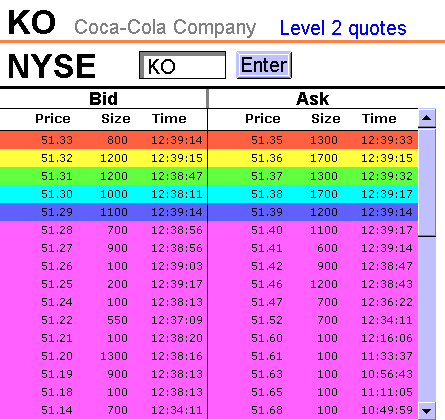
Real-Time Quotes: Stock and option prices change every second. Trading with delayed data (often 15-20 minutes old) is like driving while looking in the rearview mirror. Most brokerages provide free real-time data, but you may have to electronically sign an agreement confirming you're a non-professional investor. Make sure your platform is set to 'streaming' or 'real-time' quotes.
The Options Chain: This is the main tool you'll use to find and analyze options. It's a list of all available calls and puts for a given stock, organized by expiration date and strike price. Your goal is to customize the columns in this view. By default, it might only show basic information like the bid, ask, and volume. You need to add columns to display the 'Greeks'.
Add columns for Delta (Δ), Gamma (Γ), Theta (Θ), and Vega (ν). These values measure the option's sensitivity to changes in the stock price, time, and volatility. They are critical for making informed trading decisions.
Now your account is set up and your platform is configured. You're ready to start analyzing potential trades.
Why is special permission required from a brokerage to trade options?
What is the minimum approval level typically required to buy basic call and put options?