Mastering the Basics of Google Ads
Search Marketing Fundamentals
Your Digital Storefront
Imagine you’ve just opened a new shop on a busy high street. The best spot is right on the main corner, where everyone can see it. More visibility means more customers walking through your door. The internet works in a similar way. Your website is your shop, and a search engine like Google is the high street. When people need something, they don't wander the streets; they type a query into a search bar.
Getting your business to appear at the top of the search results is like getting that prime corner spot. It’s the most valuable real estate online because it puts you directly in front of people who are actively looking for what you offer.
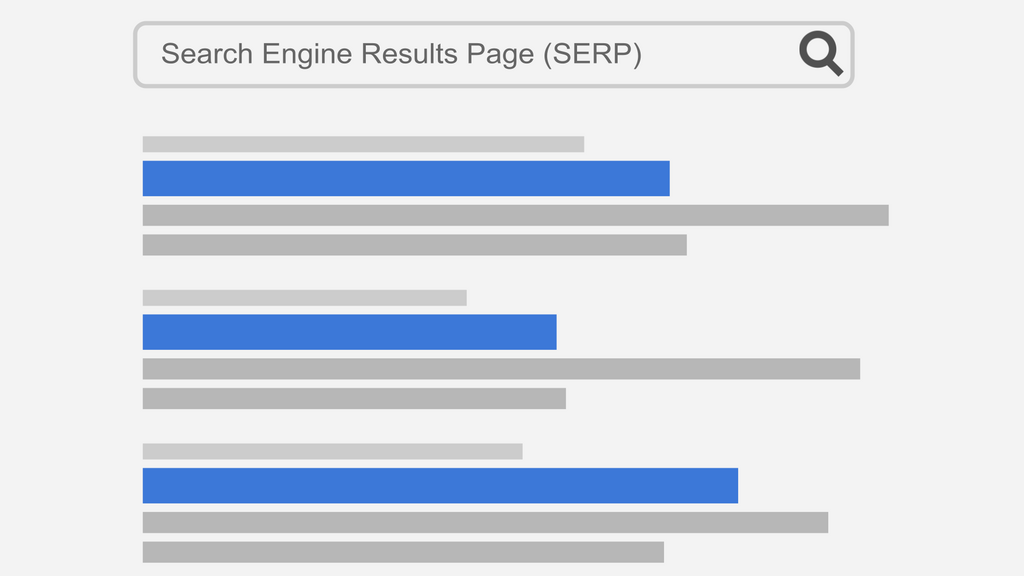
Paid vs Organic Results
When you look at a search results page, you'll see two kinds of listings: organic and paid.
Organic results are the listings that search engines believe are the most relevant and highest-quality answer to a user's query. They earn their spot through a process called Search Engine Optimisation (SEO). It’s a long-term strategy that involves creating great content and building a trustworthy website.
Paid results, often marked with a small "Ad" or "Sponsored" label, are advertisements. Businesses pay to have their links appear for specific searches. This is the core of Search Engine Marketing.
Search Engine Marketing
noun
The practice of promoting a website by increasing its visibility in search engine results pages, primarily through paid advertising.
Think of it this way: earning an organic spot is like building a great reputation over time so people naturally recommend your shop. Paying for an ad is like putting up a big, bright sign to catch people's attention immediately.
| Feature | Paid Results (SEM) | Organic Results (SEO) |
|---|---|---|
| Cost | Pay per action (e.g., click) | No direct cost to appear |
| Position | Typically at the top of the page | Below the paid ads |
| Speed | Immediate visibility | Takes time and effort to rank |
| Control | High control over message & targeting | Less direct control over appearance |
Why Pay for Clicks?
If organic results are free, why would anyone pay? The answer comes down to speed, control, and, most importantly, intent.
When someone types "best waterproof running shoes" into Google, they aren't just browsing. They have a specific need. They are expressing an intention to buy. This is a golden opportunity for a business that sells running shoes. By placing an ad right at that moment, you're not interrupting them; you're helping them solve their problem.
SEM lets you meet customers at the exact moment they are looking for your product or service.
This is where the Pay-Per-Click model comes in. It's a simple, powerful idea.
Pay-Per-Click
noun
An internet advertising model used to drive traffic to websites, in which an advertiser pays a publisher (typically a search engine) when the ad is clicked.
With PPC, you don't pay for your ad just to be seen. You only pay when someone is interested enough to click on it and visit your website. It’s a performance-based system. Back at our high-street shop, it's like having a friendly guide who only gets paid when they bring a genuinely interested customer inside.
The entire process is designed to connect a user's need with a business's solution efficiently. By understanding what people are searching for, you can tailor your ads to provide the perfect answer, right when they need it most.
Using the high street shop analogy from the text, what does appearing at the top of a search engine results page represent?
What is the key difference between organic and paid search results?