Mastering the Back Handspring
Introduction to Back Handspring
The Back Handspring Explained
A back handspring is a dynamic move in gymnastics where you jump backward into a handstand and then snap your feet back under you to land standing up. It's an explosive, acrobatic skill that connects tumbling passes on the floor and adds difficulty on the balance beam.
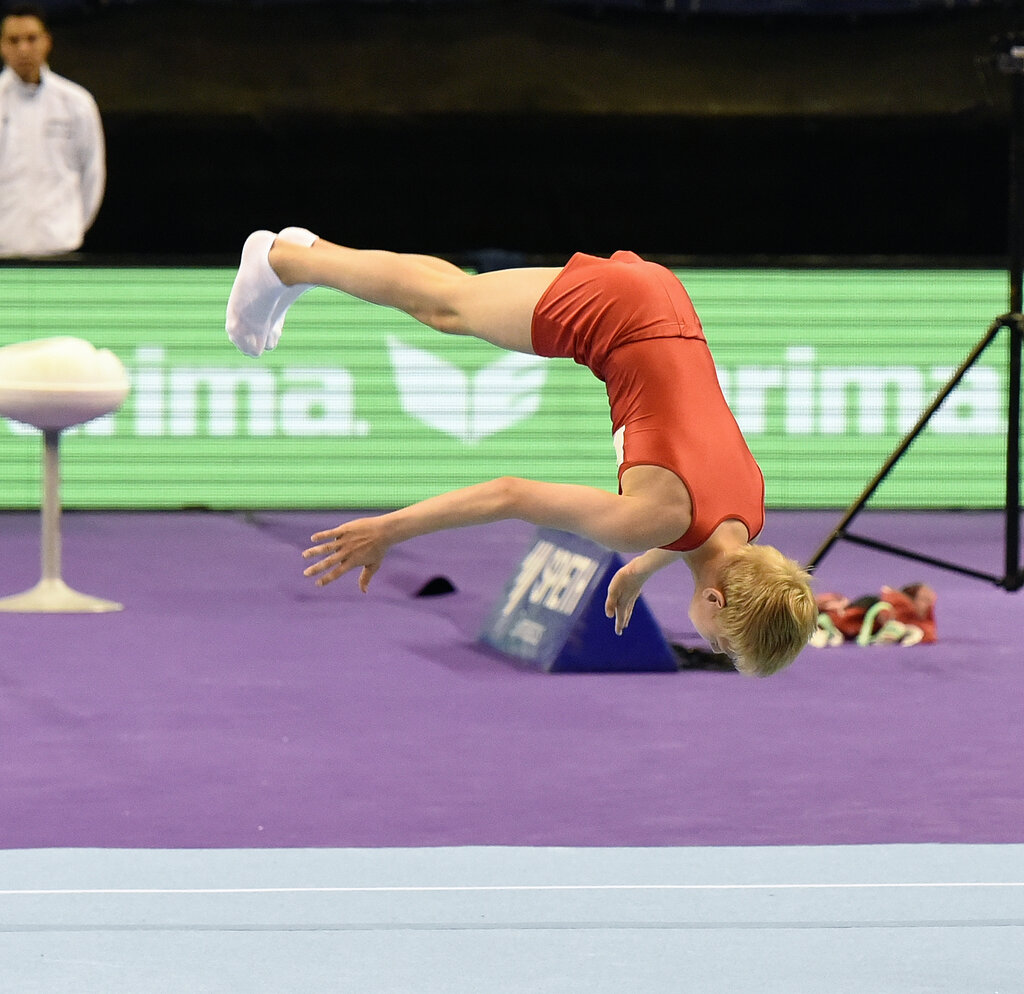
Think of it as a bridge in motion. You start standing, jump backward, briefly support your body with your hands while your feet travel over your head, and then land. This skill is more than just a flashy trick; it's a fundamental building block. Mastering the back handspring opens the door to more advanced skills like back tucks, layouts, and full twists. It’s the link that connects simpler movements into powerful, complex sequences.
The Path to a Back Handspring
You don't just wake up one day and decide to throw a back handspring. It’s a skill built upon a foundation of strength, flexibility, and coordination. Each step in the learning process prepares your body for the next, ensuring you can perform the movement safely and correctly.
Safe learning practices demand mastering basic skills before progressing to a new and/or more difficult skill.
The progression is logical. It starts with static holds to build strength and awareness, then moves to slower, more controlled versions of the backward motion.
Here's a breakdown of the key milestones:
- Handstand: This is crucial for building the shoulder strength and straight-body alignment needed to support yourself upside down.
- Backbend/Bridge: This develops the back and shoulder flexibility required to arch backward without injury.
- Back Walkover: A slow and controlled version of a back handspring. You kick over one leg at a time, which teaches your body the feeling of going backward and through the handstand position.
- Back Limber: This skill adds power. From a backbend, you jump your feet together to a stand. It mimics the explosive second half of the back handspring.
Preparing Your Body and Mind
To learn a back handspring, you need specific physical and mental preparation. It’s not just about knowing the steps; it's about being ready to execute them.
Physically, you'll focus on conditioning key muscle groups. Strong wrists, shoulders, and a tight core are non-negotiable for safely supporting your body weight. Leg power is also essential for getting enough height in your jump. Exercises like hollow body holds, planks, push-ups, and squats are all part of the training regimen. Flexibility, especially in the shoulders and back, is just as important to achieve the proper arch.
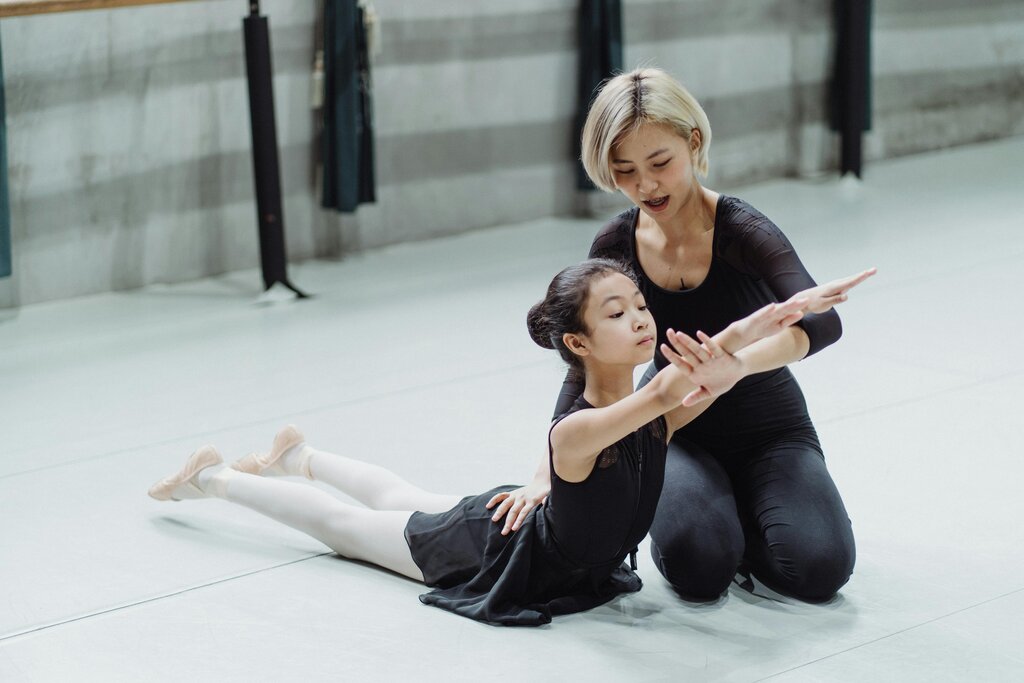
Mentally, the biggest hurdle is often the fear of going backward. It's a completely unnatural feeling. That’s why working with a qualified coach is critical. A good coach will guide you through progressions on safe surfaces, like soft mats or a tumble track, and provide a physical "spot" to support you through the movement until you're confident on your own. Trusting your coach and the process is a huge part of learning this skill.
Ready to test what you've learned about the back handspring?
What is the primary role of a back handspring in a gymnastics tumbling pass?
A gymnast has a strong handstand but is afraid of going backward over their head. Which prerequisite skill would be most helpful for them to practice to build confidence?
Understanding these foundations is the first step. With the right preparation and guidance, the back handspring becomes an achievable and exciting milestone in gymnastics.