Mastering the ATOM Exam
Introduction to ATOM
When Seconds Count
A patient arrives in the emergency room with a severe penetrating injury, like a gunshot or stab wound. The situation is critical, and the surgical team has minutes, sometimes seconds, to make life-saving decisions. While all surgeons are highly trained, not all of them regularly face this specific kind of high-stakes trauma. A surgeon in a rural hospital might go months without seeing such a case, while a military surgeon needs to be prepared for these injuries at a moment's notice.
This is where the Advanced Trauma Operative Management (ATOM) course comes in. It’s an intensive training program designed to bridge the gap between theory and practice, giving surgeons the hands-on experience they need to confidently manage severe chest and abdominal injuries.
Who Takes the Course?
The ATOM course isn't for beginners. It’s tailored for medical professionals who already have a strong surgical foundation but need to sharpen their skills for specific, high-acuity situations. The typical participants include:
- Senior Surgical Residents: Those in their final years of training who are preparing to practice independently.
- Trauma Fellows: Surgeons undergoing specialized training in trauma care.
- Military Surgeons: Medical officers who must be ready to treat combat-related penetrating wounds.
- General Surgeons: Practitioners who may not encounter severe trauma regularly but need to maintain readiness for when they do.
The goal is to build both competence and confidence, ensuring that when a critical case arrives, the surgeon is prepared to act decisively and effectively.
How It Works
The ATOM course uses a blended approach to learning, combining classroom instruction with realistic, hands-on practice. The structure is designed to move surgeons quickly from understanding concepts to applying them.
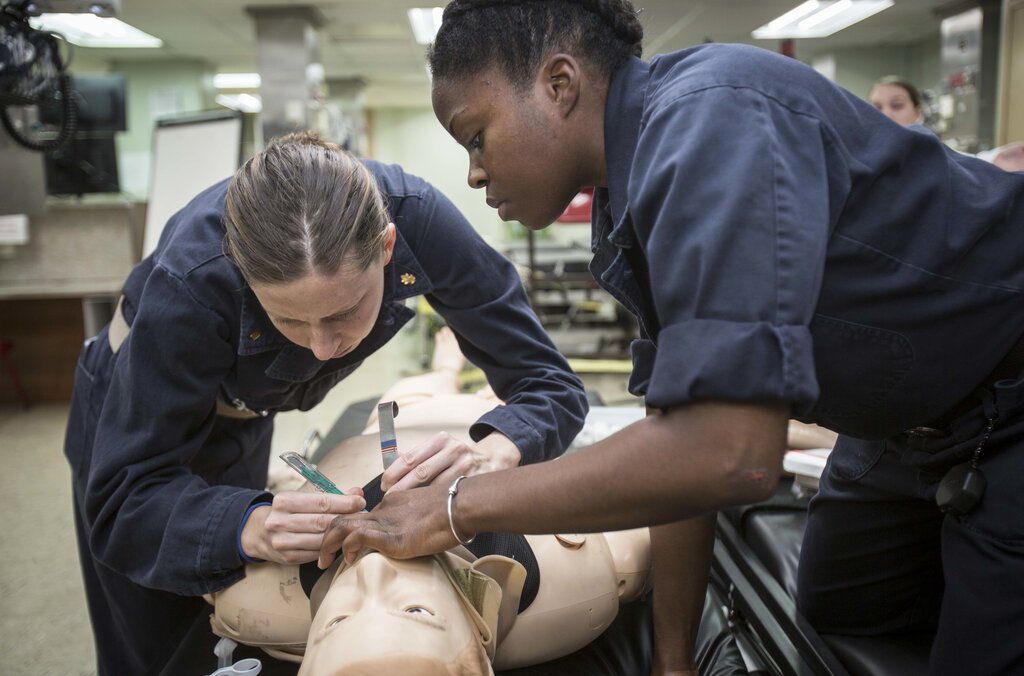
A typical course begins with focused lectures covering the essential principles of managing penetrating trauma. This isn't a broad overview; it’s a targeted review of the specific challenges and techniques relevant to these injuries. The real core of the course, however, is the operative lab.
In the lab, participants work with simulators to perform complex surgical procedures on the chest and abdomen. This isn't just a walkthrough. It's a dynamic experience where surgeons must identify injuries, decide on the best management plan, and execute the necessary repairs using proper surgical techniques. This hands-on practice in a safe, controlled setting is invaluable.
Measuring Success
How do you know if the training is effective? The ATOM course uses several methods to measure a participant's growth. Surgeons take a pre-test before the course begins to establish a baseline of their knowledge and a post-test afterward to measure what they've learned. They also complete self-efficacy evaluations to gauge their confidence levels before and after the training.
Upon successful completion, participants earn Continuing Medical Education (CME) credits, which are essential for maintaining their medical licenses and staying current in their field.
What is the primary focus of the Advanced Trauma Operative Management (ATOM) course?
Which of the following professionals would be the LEAST likely candidate for the ATOM course?