Mastering the Art World and Painting's Evolution
Art Market Fundamentals
The Art Market Ecosystem
The art market isn't one single place. It's a global network where art is bought and sold. This network is split into two main parts: the primary market and the secondary market.
Think of the primary market as the place where a work of art is sold for the very first time. This is where an artist, often through a gallery, sells their creation to its first owner. The price is usually fixed, and the sale directly supports the living artist.
The secondary market is for resales. When a collector decides to sell a piece they own, it enters the secondary market. This is where you'll find major auction houses and some galleries trading works that have a history. Prices here are determined by demand and can fluctuate dramatically.
The Key Players
Several key figures and institutions drive the art market. Understanding their roles is crucial to seeing the whole picture.
Galleries are the talent scouts of the art world. They represent artists, promote their work, and manage their careers. Most sales on the primary market happen through galleries. They build an artist's reputation by securing exhibitions and placing works with important collectors and museums.
Auction houses, like the famous Sotheby's and Christie's, are the giants of the secondary market. They take artworks on consignment from sellers and offer them to the highest bidder. Auctions create a transparent, public price for an artwork, which can significantly impact an artist's market value.
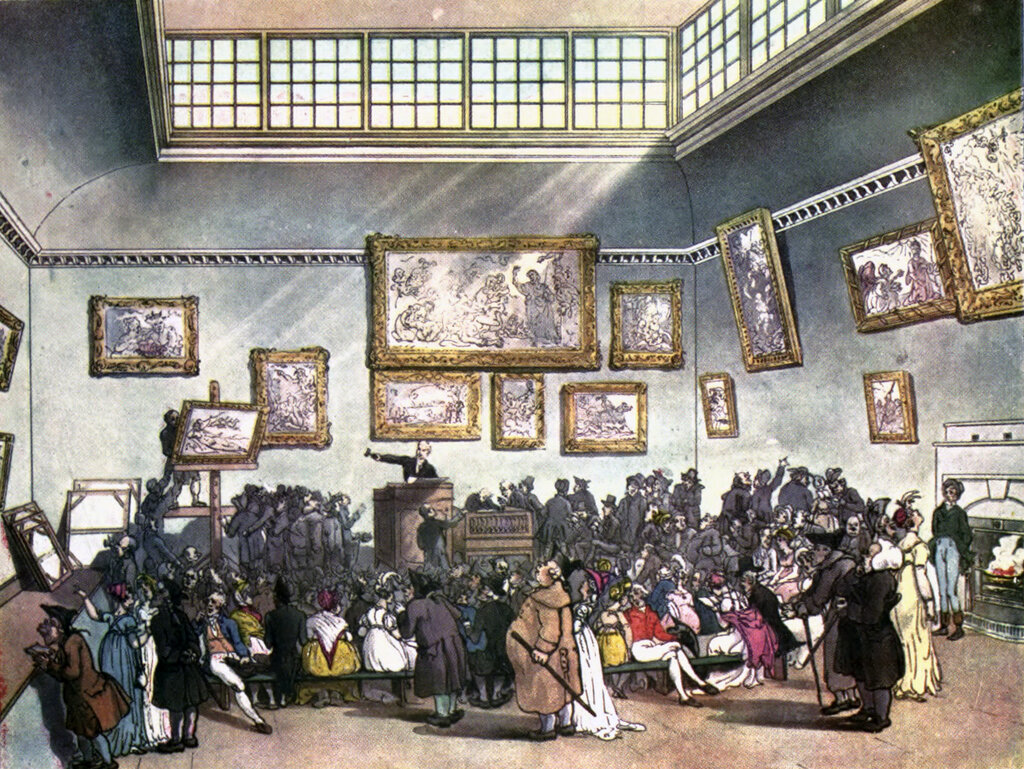
Collectors are the buyers. They range from individuals buying a single piece they love to institutions and mega-collectors building vast, valuable collections. Their tastes and purchasing power shape which artists become successful.
Finally, art fairs have become major events in the art world. These are temporary, large-scale exhibitions where galleries from around the globe gather to sell their artists' work. Fairs like Art Basel and Frieze are one-stop shops for collectors, curators, and the public to see a huge amount of contemporary art in one place.
What Drives the Price?
Art valuation is complex and often seems subjective. Unlike stocks, art has no intrinsic earnings. Its value is a blend of tangible and intangible factors.
An artist's reputation is paramount. Has the artist had solo shows at respected galleries or museums? Are they in major collections? Positive reviews from art critics and academic recognition also boost value.
Provenance is the artwork's ownership history. A well-documented provenance can add immense value. If a piece was owned by a famous collector, featured in a significant exhibition, or has a compelling story, its price will likely be higher.
Other key factors include the condition of the work (damage can significantly lower value), its scarcity (is it a unique painting or one of a large edition of prints?), and its medium and size.
Market fluctuations pose a unique challenge, as the value of fine art can change dramatically due to trends and economic conditions.
Ultimately, the art market is also subject to trends. Styles and artists go in and out of fashion. A surge of interest from new collectors in a certain region or style can cause prices to soar. Keeping an eye on auction results and gallery shows can offer clues about where the market is headed.
Now, let's test your knowledge of how the art market works.
If you buy a brand new sculpture directly from an artist's first solo gallery exhibition, you are participating in the:
In the art world, what does 'provenance' refer to?
Understanding these fundamentals provides a framework for navigating the complex and fascinating world of art commerce.