Mastering the Art of Worry-Free Living
Applying the Magic Formula
From Worry to Action
You know the three steps: Analyze the worst-case scenario, accept it, and calmly improve upon it. The elegance is in its simplicity, but the execution can feel impossible. The biggest hurdle is the first step: looking at the worst possible outcome without letting emotional panic take over.
Our brains often spiral into what psychologists call catastrophizing, where we fixate on a feared outcome. The key to breaking this cycle is to translate vague anxieties into concrete data. Instead of letting the thought “What if I lose my job?” run on a loop, you quantify it. What would my severance pay be? What are my exact monthly expenses? How long could my savings last? This process forces your prefrontal cortex, the logical part of your brain, to take charge, turning a terrifying monster into a solvable math problem.
Once you have the numbers, acceptance becomes easier. It's no longer about resigning yourself to failure. It's a strategic pivot. You're acknowledging the reality of the worst case so you can stop wasting energy fighting a phantom and start building a solution.
Build Your Plan B
With a clear-eyed view of the worst outcome, you can begin to improve upon it. This means creating a concrete Plan B. What specific, small actions can you take right now to mitigate the damage? This isn't about solving the entire problem at once. It's about taking the first step.
For the job loss scenario, a Plan B might include:
- Week 1: Update resume and LinkedIn profile.
- Week 2: Identify three recruiters and send them a message.
- Week 3: Review monthly subscriptions and cancel non-essentials.
This proactive approach shifts your mindset from victim to agent. You're no longer waiting for the worst to happen; you're actively building a safety net.
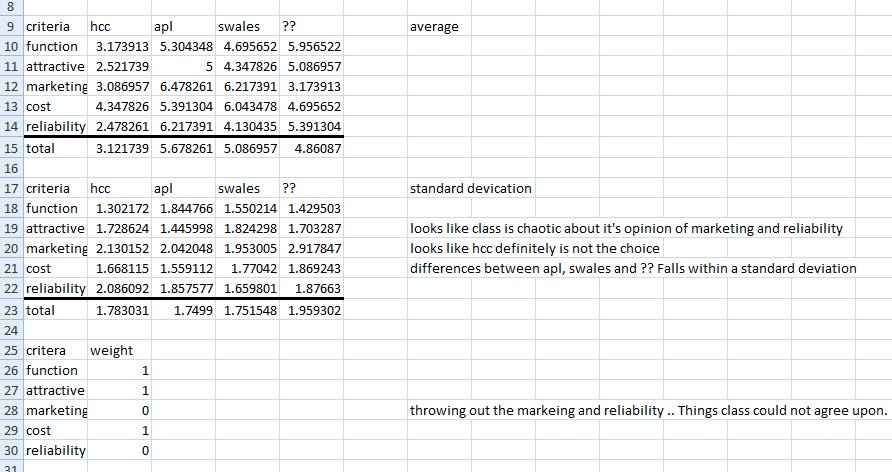
A powerful tool for this process is a decision matrix, which helps you evaluate options objectively. You list your potential actions and score them against critical criteria, such as cost, time required, and potential impact. This removes emotion and gut feelings from the equation, guiding you toward the most effective Plan B.
The final piece is managing your time and mental energy. It's crucial to distinguish between productive problem-solving and destructive rumination. Worrying feels like you're doing something, but it's just a hamster wheel. It burns energy without moving you forward.
Schedule a specific, limited block of time for problem-solving. For example, dedicate 30 minutes every Tuesday morning to work on your Plan B. When the time is up, you stop. If a worry pops up outside that window, you mentally table it until the next scheduled session.
This technique, known as time-blocking, respects that your brain needs to process the problem, but it contains the anxiety within a defined boundary. It prevents worry from leaking into every corner of your day, freeing you up to focus on other things. By systematically analyzing, accepting, and planning, you take control back from anxiety. You transform amorphous fear into a structured project with actionable steps.