Mastering the Art of Vibe Coding
Natural Language Programming Philosophy
From Code to Conversation
For decades, building software meant learning a strict, foreign language. You had to tell a computer exactly what to do, step-by-step, using precise syntax. A single misplaced semicolon could bring the whole thing crashing down. This is changing. We are moving from a world of manual syntax to one of intent-based development, a process sometimes called 'vibe coding'.
Instead of writing instructions, you describe an outcome. This shift is powered by (LLMs), which act as translators between human ideas and machine-readable code. Think of it like working with a highly skilled assistant. You don't tell them which keyboard shortcuts to use; you tell them what the final report should look like. Vibe coding is this same process, but for creating software.
Vibe coding is a way of building software where you express intent in natural language, let an AI (usually a large language model) generate runnable code, and iterate on the live behavior rather than painstakingly authoring every line yourself.
Your New Job Title: Director
This new paradigm reframes the developer's role. You shift from being a bricklayer, meticulously placing each line of code, to being an architect or a director. Your primary job is to hold the vision, communicate it clearly, and guide the process.
The AI generates the first draft, and often the second and third. But the final product relies on a critical component: the Human in the Loop. Your expertise is needed to test the output, spot subtle errors in logic, refine the user experience, and make creative decisions the AI can't. The AI is a powerful tool for execution, but you are the source of intent and the final judge of quality.
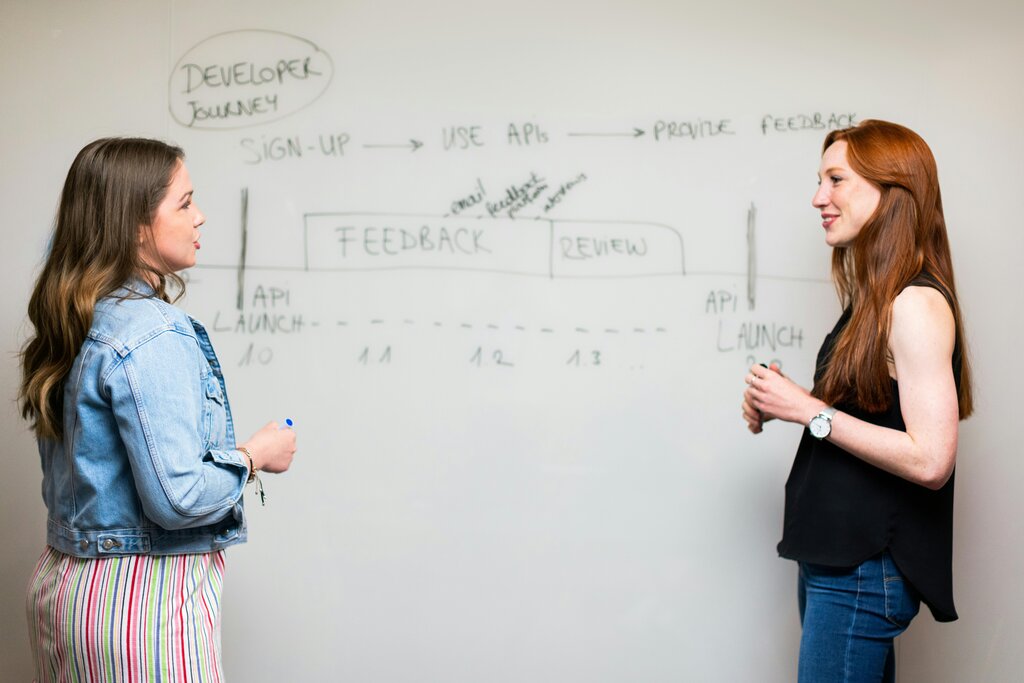
This collaborative flow hinges on a fundamental change in how we give instructions. Traditional coding is imperative; you tell the computer how to do something. Vibe coding is declarative; you describe what you want to achieve.
| Approach | Instruction Style | Example |
|---|---|---|
| Imperative | Step-by-step commands (The "How") | "Create a variable x, set it to 5. Create another variable y, set it to 10. Add x and y and store the result in z." |
| Declarative | End-state description (The "What") | "Calculate the sum of 5 and 10." |
With an LLM, you work almost entirely on the declarative side. You state the goal, and the model figures out the necessary steps to get there. This frees you up to focus on the bigger picture.
Defining the Vibe
So, what is the 'vibe'? It’s not just a fuzzy feeling. In this context, the vibe is a new kind of technical specification, a high-level brief that communicates the project's essence to your AI partner. It’s a combination of functional requirements, aesthetic direction, and constraints.
A well-defined vibe gives the AI a clear target. Instead of just asking for a "button," a good vibe specifies more.
Vague Prompt: "Add a sign-up button."
Vibe-Driven Prompt: "Create a sign-up button for the top navigation bar. It should have rounded corners, a solid blue background (#3B82F6), and white text. When a user hovers over it, the background should darken slightly. On mobile, it should be the full width of the screen."
The second prompt defines the vibe. It includes:
- Function: It's a sign-up button.
- Placement: In the top navigation bar.
- Aesthetics: Rounded corners, specific colors, a hover effect.
- Constraints: It must be responsive and adapt to mobile screens.
Mastering vibe coding is mastering the art of the prompt. You learn to translate a vision into a structured, descriptive conversation. Your ability to articulate the vibe directly impacts the quality of the code the AI generates.
Ready to test your understanding of this new programming philosophy?
What is the fundamental shift in programming described as 'vibe coding'?
In the context of 'vibe coding', what best describes the 'vibe'?
By shifting focus from syntax to intent, vibe coding opens up software creation to a wider audience and allows seasoned developers to build faster and more creatively. The key is learning how to direct the conversation.