Mastering the Art of Stand-Up Comedy
Complex Joke Architecture
The Rule of Three
Audiences are pattern-recognition machines. The Rule of Three, or a 'triple', uses this to its advantage. You present two related ideas to create a pattern, then shatter that pattern with a third, unexpected idea. The first two items are the setup; the third is the punchline.
The Rule of Three is a classic comedy principle: establish a pattern with the first two elements and subvert expectations with the third.
The rhythm is crucial. It’s a one-two-three beat. One, establish. Two, confirm. Three, twist.
For example: "There are three stages of life: youth, middle age, and... 'you look great for your age'." The first two items establish a predictable sequence of life stages. The third breaks that pattern with a relatable, humorous observation instead of the expected 'old age'.
Reverses and Misdirection
Most sophisticated jokes rely on misdirection. You lead the audience to make an assumption, then reveal that assumption was wrong. This is the 'broken assumption' technique. You build a logical path and then yank the rug out from under them.
A 'reverse' is a specific type of misdirection where the punchline completely flips the perspective or meaning of the setup. You make the audience think one thing is the subject of the joke, when it’s actually something else.
Consider this classic from Groucho Marx: "One morning I shot an elephant in my pajamas. How he got in my pajamas, I'll never know." The setup makes us assume Groucho was wearing the pajamas. The punchline reverses this, revealing the elephant was the one in the pajamas, breaking our initial assumption.
This technique forces the audience to instantly re-evaluate the entire premise, and the laugh comes from that sudden mental shift.
Playing with Language
Wordplay creates humor by exploiting the ambiguities of language. Two common formulas are the double entendre and the simple truth.
A double entendre is a phrase that has two interpretations, one of which is often suggestive or clever. It allows the comedian to say one thing and mean another, letting the audience in on the secondary, hidden meaning.
The 'simple truth' formula, also called literal interpretation, works by ignoring the figurative meaning of a common phrase and responding to its literal one. This creates an absurd disconnect.
| Technique | Premise | Example Punchline |
|---|---|---|
| Double Entendre | A sign in a bakery window says, "Our buns are the best in town." | "I'm not sure about that, but their bread is pretty good." |
| Simple Truth | Someone says, "Can you give me a hand?" | "I can, but I'm rather attached to it." |
Both techniques reward listeners for paying close attention to language, creating an 'inside joke' feeling with the audience.
Layering Structures
Professional comedy bits are rarely built on a single formula. The goal is to layer these structures to create a higher density of laughs. A simple setup/punchline joke is like a single brick. A layered bit is a complex, sturdy structure.
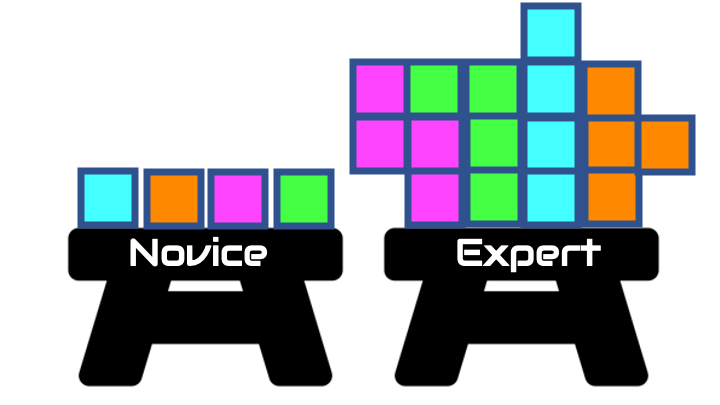
Think of how you could combine these techniques. You could build a bit around a triple, where the third, pattern-breaking element is a reverse. Or, you could tell a story where the overarching misdirection leads to a punchline that is also a double entendre.
For instance: "My therapist told me to focus on three things: my career, my health, and my love life. So I got a job at a gym that's owned by my ex."
This joke uses a triple structure. The first two items set a pattern of self-improvement. The third item breaks the pattern with a reverse, turning a story of personal growth into one of comedic self-sabotage.
By weaving different formulas together, you make your material less predictable and more rewarding for the audience. Each laugh becomes a discovery, not just a reaction.
What is the primary function of the third item in the comedic 'Rule of Three'?
A 'reverse' is a specific type of misdirection where the punchline flips the perspective or meaning of the setup.