Mastering The Art of Spending Money
Understanding Personal Financial Psychology
Your Brain on Money
We like to think of our financial decisions as logical. We weigh the pros and cons, consider the cost, and make a rational choice. But reality is much messier. Our brains are wired with emotions, biases, and social programming that quietly steer our spending, often without our permission.
Author Morgan Housel suggests that spending money well is a skill, one that has less to do with math and more to do with understanding yourself. It’s about recognizing the invisible forces that influence what you buy and why. Once you see these patterns, you can start making choices that align with what you truly value, not just what your brain wants in the moment.
The Emotional Spender
Have you ever bought something to cheer yourself up after a tough day? Or splurged on a celebratory dinner after getting good news? That’s emotional spending. Our feelings are powerful motivators, and they often have their hands on our wallets.
Stress can make us seek comfort in retail therapy. Boredom can lead to mindless online shopping. Happiness can justify extravagant purchases we might otherwise skip. These aren't character flaws; they're human reactions. The problem arises when these emotional purchases become a habit, driving a wedge between our spending and our long-term goals.
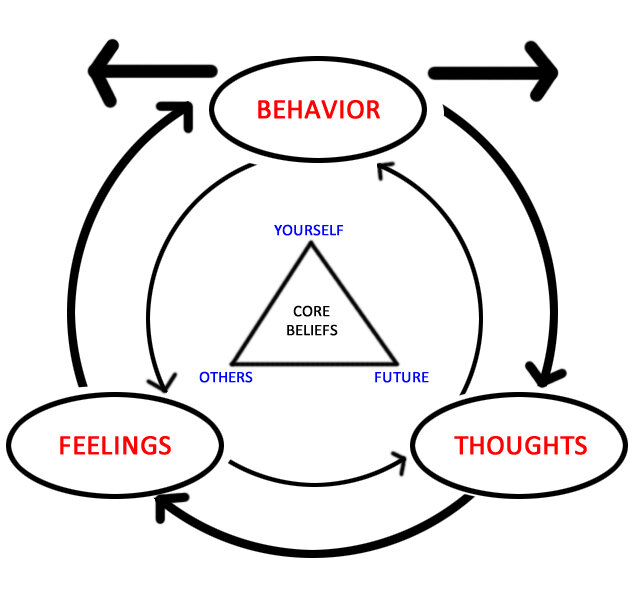
Recognizing your emotional triggers is the first step. The next time you feel an urge to spend, pause and ask yourself: what am I feeling right now? Is this purchase a solution to a real need, or is it a reaction to an emotion? Simply asking the question can create enough space to make a more deliberate choice.
Mental Shortcuts That Cost You
Our brains are constantly looking for ways to save energy. To do this, they create mental shortcuts, or cognitive biases, to make decisions faster. While helpful in some situations, these shortcuts can lead to costly financial errors.
Behavioral finance is the combination of psychology and economics to understand why we tend to act against our own financial interests.
One common bias is anchoring. This is when we rely too heavily on the first piece of information we see. A store might display a jacket with an original price of $500, now on sale for $250. Our brain anchors to the $500, making $250 seem like a fantastic deal, even if the jacket isn't truly worth that much to us.
Then there's present bias, our tendency to prefer a smaller, immediate reward over a larger one in the future. This is the voice in your head that says, “I’ll take the $20 takeout today rather than save it toward a $1,000 vacation next year.” This bias makes saving for long-term goals like retirement feel abstract and difficult.
Another powerful force is the herd mentality. We are social creatures, and we often look to others to figure out what to do. This can lead us to buy things—from stocks to sneakers—simply because everyone else is. This fear of missing out, or FOMO, can be a powerful driver of impulsive and often regrettable purchases.
Know Thyself, Know Thy Wallet
So, how do you counteract these deep-seated psychological forces? The key is self-awareness. It's not about eliminating emotions or biases, which is impossible. It’s about recognizing them so they have less control over you.
Start by observing your spending without judgment. Keep a journal or use an app to track not just what you buy, but why you bought it. Were you bored? Stressed? Influenced by an ad? This practice helps you identify your personal patterns and triggers.
Mindful spending encourages us to pause and think about each purchase, to ask why we’re buying something, and whether it aligns with our financial goals.
Ultimately, mastering your financial psychology is about closing the gap between your actions and your intentions. It's a shift from reactive, impulsive spending to proactive, value-driven choices. By understanding the quirks of your own mind, you can begin to use money as a tool to build the life you actually want, not just the one you're momentarily tempted by.
According to the text, what is the most effective first step to counteract emotional spending?
A store advertises a watch with a 'regular price' of 350. The $350 price feels like an amazing deal primarily due to which cognitive bias?