Mastering the Art of Speechwriting
Understanding Audience and Purpose
Who Are You Talking To?
Before writing a single word, the first question you must answer is: who is my audience? A speech is a conversation, and you can't have a good one without knowing who you’re talking to. Your message, tone, and examples all depend on the listeners in the room.
Think about a few key areas to build a picture of your audience. Start with demographics: what’s their general age, background, and professional level? A joke that lands with college students might fall flat with retired executives. Next, consider their knowledge. Are they experts on your topic, or complete beginners? You don’t want to bore them with basics or lose them with jargon.
Finally, think about why they are there. Are they required to attend, or did they choose to come? What do they hope to gain? Understanding their motivation is key to holding their attention.
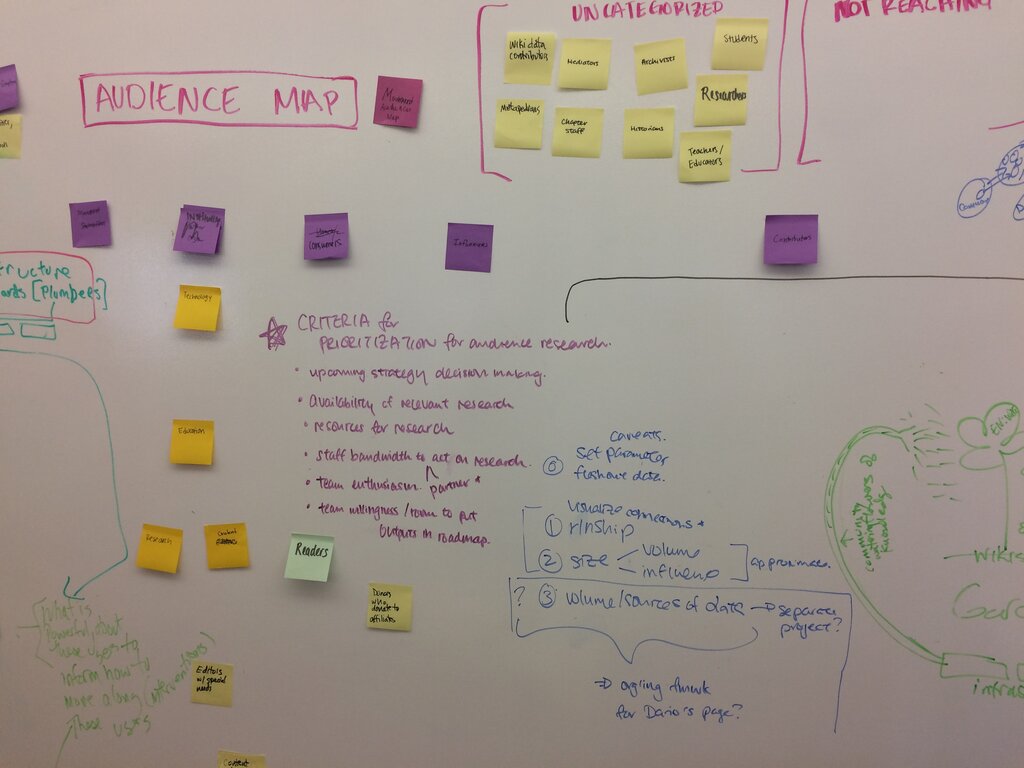
So how do you gather this information? Sometimes it's easy. If you're speaking to your own team, you already know them. If you're an outside speaker, ask the event organizer for details about the attendees. Look at who has attended in the past. If it's a public event, check out the social media chatter around it. The more you know, the better you can tailor your message.
What's Your Point?
Once you know your audience, you need to define your purpose. Every speech should have a clear goal. Without one, you'll wander, and your audience's attention will drift. Most speeches have one of three primary purposes.
| Purpose | Goal | Example |
|---|---|---|
| To Inform | Teach the audience something new. | Explaining the results of a quarterly report. |
| To Persuade | Change the audience's mind or move them to action. | Convincing investors to fund a new project. |
| To Entertain | Amuse, inspire, or celebrate. | Giving a toast at a wedding. |
Your purpose statement should be a single, concise sentence. For example, “My purpose is to inform the marketing team about our new social media strategy,” or “My purpose is to persuade the city council to approve funding for a new park.”
This statement is your north star. It’s for you, not for the audience. Every story, data point, and sentence you write should serve this purpose. If something doesn't help you achieve your goal, cut it.
Connecting Your Message
With a clear understanding of your audience and purpose, the final step is to align your content. This is where you bridge the gap between what you want to say and what your audience needs to hear.
Think about the audience's perspective. What are their potential questions or objections? Address them directly. If you're persuading them to adopt a new system, acknowledge the challenges of change and explain how the benefits outweigh the hassle. If you're informing them about a complex topic, use analogies or examples they can relate to.
Achieving mastery as a writer requires clear expression, effective structure, purposeful language, and an understanding of audience and purpose.
The language you choose is also critical. Your tone should match both the audience and the occasion. A formal presentation to the board of directors will sound very different from an informal talk at a team lunch. Use vocabulary that your audience understands, and structure your sentences for clarity. This alignment ensures your message isn't just delivered; it's received.
What is the most crucial first step to take before writing any speech?
What is the main role of a purpose statement in speech preparation?
Knowing your audience and purpose is the foundation of every great speech. It turns a simple talk into a meaningful connection.