Mastering the Art of Saying No
Understanding Boundaries
What Are Personal Boundaries?
Think of personal boundaries as the invisible lines you draw around yourself. They are the rules and limits you set to define what you're comfortable with, what you're not, and how you want others to treat you. These aren't physical walls, but guidelines that protect your personal space, your time, your emotions, and your energy.
Boundaries aren't about keeping people out. They're about letting people know where the door is.
Without boundaries, you might find yourself feeling overwhelmed, resentful, or taken for granted. You might say yes to things you don't have the time or energy for, or allow conversations that make you uncomfortable. This can lead to stress and anxiety, chipping away at your mental well-being.
Establishing boundaries is a fundamental act of self-care. It's how you communicate your needs and ensure you have the resources to meet your own responsibilities without feeling depleted.
Boundary
noun
A limit or rule that a person sets for themselves within relationships to protect their personal, emotional, or physical space.
Benefits of Setting Boundaries
When you have clear boundaries, you gain a stronger sense of identity. You know what you stand for and what you need, which boosts self-esteem and confidence. This clarity improves your relationships. When people know your limits, they can interact with you more respectfully, leading to less conflict and deeper connections.
One of the biggest benefits is preventing burnout. By protecting your time and energy, you ensure you have enough for the things that truly matter to you. This creates a more balanced and sustainable way of living, reducing the risk of becoming emotionally, mentally, and physically exhausted.
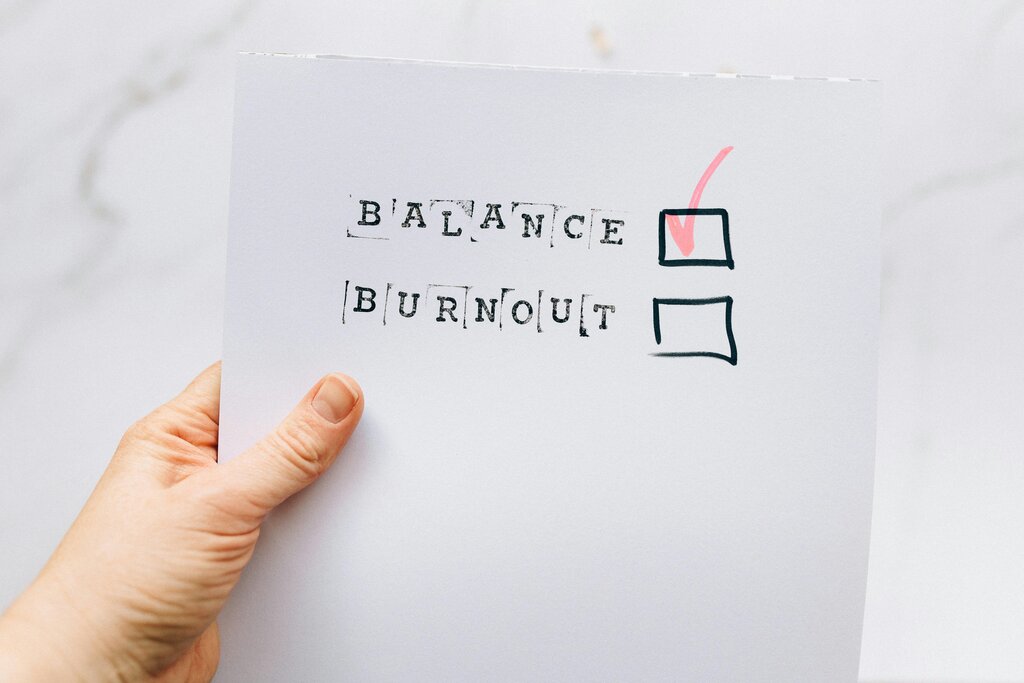
Ultimately, boundaries empower you. They give you control over your life and help you create relationships and environments that are supportive and healthy.
Setting boundaries isn’t selfish; it’s essential for self-respect, emotional security, and establishing healthier, more fulfilling relationships.
Common Misconceptions
Many people worry that setting boundaries will make them seem selfish, mean, or uncooperative. This is a common fear, but it's based on a misunderstanding. The goal of a boundary isn't to push people away; it's to create the conditions for a healthy, respectful relationship to thrive.
Saying "no" to a request you can't accommodate isn't a rejection of the person. It's an honest statement about your own capacity. Healthy relationships are built on mutual respect, and that includes respecting each other's limits. True friends and supportive partners will understand and honor your boundaries, even if they're disappointed.
Remember, boundaries are for you, not against others. They are a tool for self-preservation and a vital component of mental and emotional health.