Mastering the Art of Sales
Understanding Sales Fundamentals
The Foundation of Sales
Forget the stereotypes of fast-talking, high-pressure salespeople. Modern sales isn't about pushing a product or tricking someone into a purchase. At its heart, selling is about helping. It’s the process of understanding a person's problems or desires and showing them how you can provide a solution. The entire relationship, from the first conversation to the final handshake, is built on a single, crucial element: trust.
A sale is a transfer of confidence. If a potential customer doesn't have confidence in you, they won't buy from you.
Think about it. You're more likely to take a recommendation from a friend you trust than from a random ad. That’s because trust removes risk and creates a sense of safety. In sales, you build trust by being reliable, honest, and genuinely interested in the customer's success, not just your own commission. It means showing up on time, following through on promises, and admitting when your product isn't the right fit. Trust isn't built in a day. It's the result of consistent, positive, and helpful interactions.
How to Really Listen
You can't build trust or understand someone's problems if you're doing all the talking. The most effective salespeople are the best listeners. They use a technique called active listening, which goes beyond simply hearing words. It’s about fully concentrating on what is being said to understand the complete message.
To give salespeople a selling approach that allows less talking, more listening and more beneficial sales.
Active listening involves a few key actions:
- Pay Full Attention: Put your phone away. Close unnecessary tabs on your laptop. Make eye contact. Give the other person your undivided attention.
- Reflect and Clarify: Periodically summarize what you've heard in your own words. Phrases like, "So, if I'm understanding correctly, the main challenge is..." or "It sounds like you're looking for..." accomplish two things. They confirm you're on the right track and show the other person that you are truly listening.
- Ask Open-Ended Questions: Instead of questions that can be answered with a simple "yes" or "no," ask questions that encourage conversation. Use words like "how," "what," and "why." For example, instead of asking "Is your current system slow?" ask "How does your current system affect your team's workflow?"
Why People Buy
Listening helps you uncover the real reasons behind a potential purchase. People rarely buy a product; they buy a solution to a problem or a way to achieve a goal. The decision to purchase is often driven by powerful psychological factors, many of which are emotional.
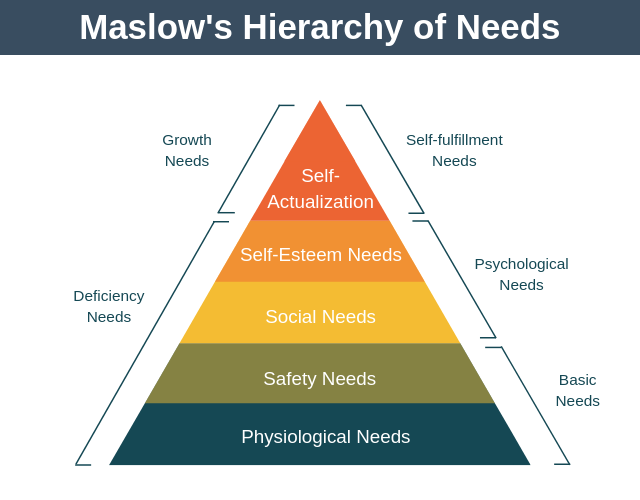
Here are some of the core psychological drivers behind buying decisions:
- Pain and Pleasure: Most purchases are driven by the desire to either avoid a pain or gain a pleasure. Someone might buy accounting software to avoid the pain of a messy tax season. They might buy a new car to gain the pleasure of a comfortable and reliable commute.
- Fear of Missing Out (FOMO): People are often motivated by the idea that they might miss a great opportunity. Limited-time offers or mentions of what competitors are doing can tap into this fear.
- Hope and Aspiration: Customers buy things that they believe will help them become a better version of themselves. A person doesn't just buy a gym membership; they buy the hope of being healthier and more confident. They don't just buy a business course; they buy the aspiration of becoming a successful entrepreneur.
By listening actively, you can move past the surface-level request and understand these deeper motivations. When you connect your solution to these core drivers, you're no longer just selling a product. You're offering a genuine path to improvement.
What is the single most crucial element upon which the entire modern sales relationship is built?
A potential customer buys a subscription to a project management tool. What is the most likely psychological driver behind this purchase?
Mastering these fundamentals—building trust, listening actively, and understanding motivations—is the key to becoming a truly effective and respected salesperson.