Mastering the Art of Sales
Understanding Sales Fundamentals
The Sales Process
At its heart, sales is about helping people solve problems. A structured sales process isn't a rigid script but a map that guides a potential customer from identifying a need to finding the right solution. It ensures you're helping the right people in the right way, creating a valuable relationship for everyone involved.
Let's walk through these stages.
1. Prospecting: This is the search for potential customers, or "prospects." It involves identifying businesses or individuals who might have a need for your product or service. Think of it as casting a wide net in the right fishing spot.
2. Qualifying: Not everyone you find is a perfect fit. Qualifying is the process of determining if a prospect has a genuine need you can solve, the budget to purchase, and the authority to make a decision. This step saves everyone time by focusing on the most promising relationships.
3. Presenting: Once a prospect is qualified, it's time to show them how you can help. This isn't about listing features; it's about telling a story that connects your solution directly to their specific problems. A great presentation makes the customer feel understood.
4. Closing: This is the final step where you and the customer agree on the terms and make a commitment. If the previous steps were done well, closing often feels like a natural conclusion to a helpful conversation.
Understanding Your Buyer
The sales process provides the what, but buyer psychology explains the why. Understanding why people make decisions is crucial for building trust and guiding them effectively. It's not about manipulation; it's about empathy.
People buy based on emotion and justify with logic. A prospect needs to feel confident and secure in their decision before they'll look for the facts to back it up.
Every buyer is trying to achieve a goal or avoid a pain point. Your job is to uncover that motivation. Are they trying to increase revenue, save time, reduce stress, or gain a competitive edge? When you understand their core driver, you can frame your solution in a way that resonates on an emotional level.
Listening is your most powerful tool here. Ask open-ended questions that encourage the buyer to share their challenges and aspirations. The more you understand their world, the better you can position yourself as a trusted advisor, not just a seller.
Understanding the psychology behind sales can dramatically improve one’s ability to connect with customers and close deals.
AI in Modern Sales
Technology is transforming the sales landscape, and Artificial Intelligence (AI) is leading the charge. AI-powered tools help sales teams work smarter, not just harder. They automate repetitive tasks and provide deep insights into customer behavior.
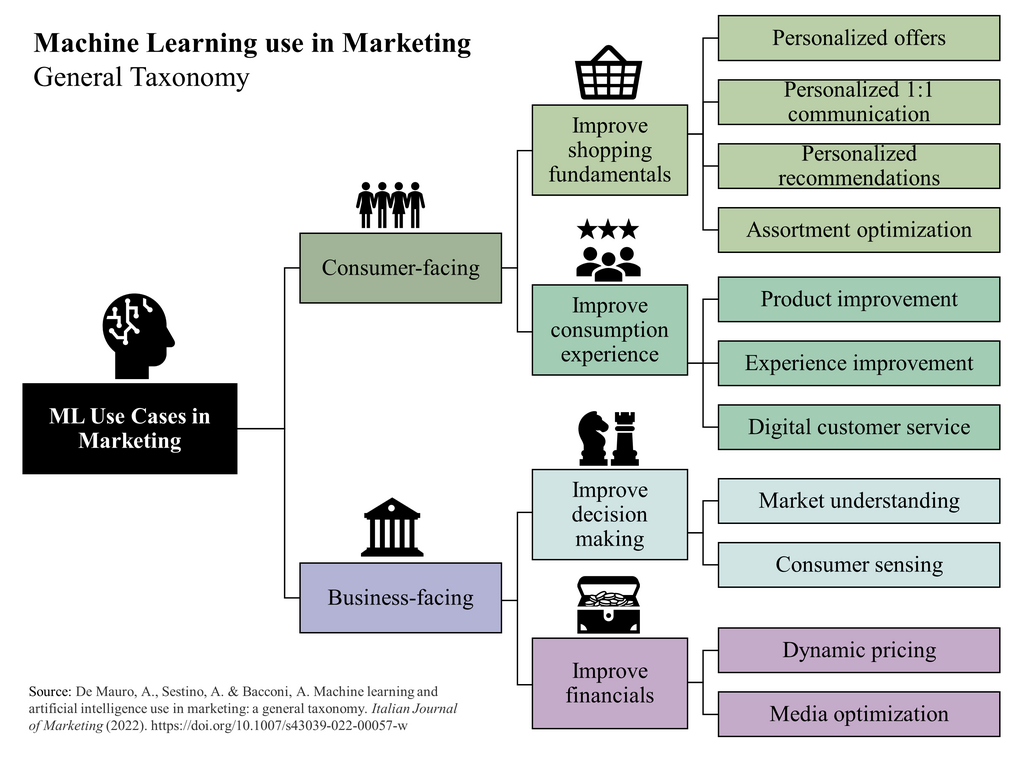
Here are a few ways AI is making an impact:
-
Streamlined Prospecting: AI algorithms can analyze vast amounts of data to identify high-quality leads that are most likely to convert. This takes the guesswork out of prospecting and focuses efforts where they'll have the most impact.
-
Predictive Analytics: By analyzing past sales data and customer interactions, AI can predict which deals are likely to close. This helps sales managers forecast more accurately and prioritize their team's time on the most promising opportunities.
-
Personalized Interactions: AI chatbots can handle initial customer inquiries 24/7, freeing up human agents to focus on more complex conversations. These bots can also gather information to help personalize the follow-up conversation with a sales representative, ensuring a smoother customer experience.
AI tools don't replace the human element of sales; they enhance it. By handling the data analysis and routine tasks, AI gives salespeople more time to do what they do best: build relationships and solve problems.
What is the primary purpose of the qualifying stage in a sales process?
A salesperson discovers their prospect's main goal is to reduce operational stress for their team. How should the salesperson frame their presentation?
Mastering these fundamentals—a clear process, an empathetic understanding of the buyer, and the smart use of technology—is the foundation of any successful sales career.