Mastering the Art of Roll Ups
Introduction to Material Rolling
Shaping the World with Rollers
If you've ever used a rolling pin to flatten dough, you already understand the basics of material rolling. It's a manufacturing process that uses the same principle: passing a material through a pair of powerful rollers to reduce its thickness and give it a uniform shape. Instead of dough, think of steel, aluminum, or copper.
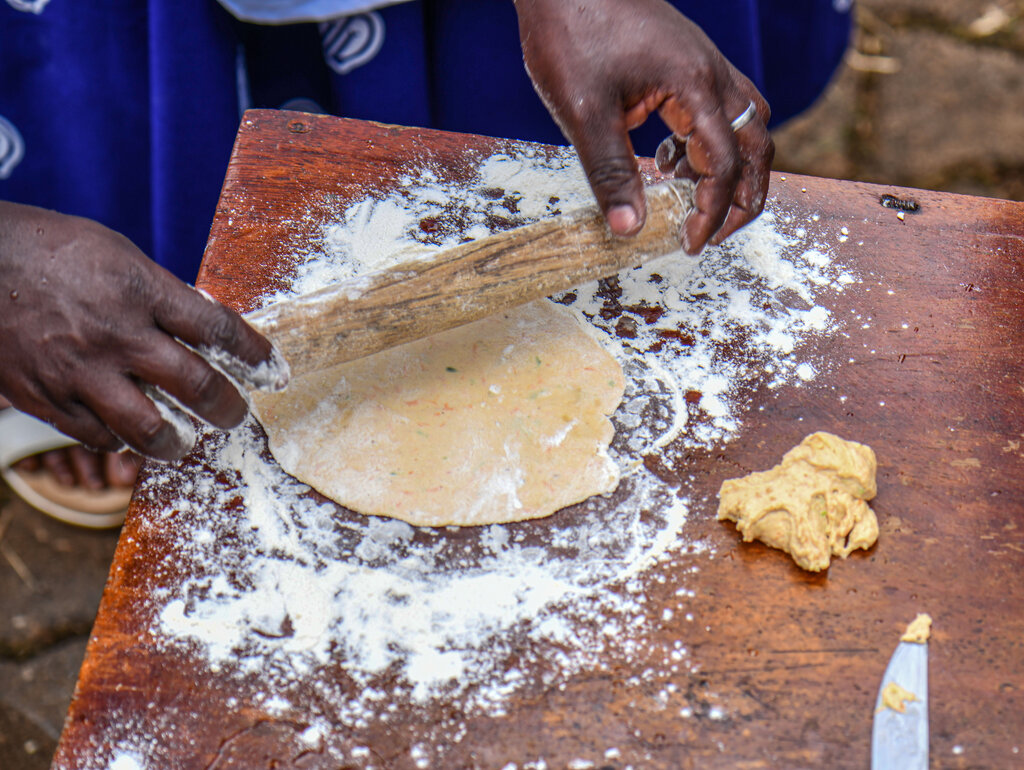
This process, known as rolling, is one of the most common ways to form metals. It's incredibly efficient for producing large quantities of material with a consistent cross-section. From the thin aluminum foil in your kitchen to the massive steel I-beams that form the skeletons of skyscrapers, rolling is the fundamental step that shapes these essential products.
The Two Main Approaches
The properties of the final product depend heavily on the temperature at which it's rolled. This gives us two primary techniques: hot rolling and cold rolling.
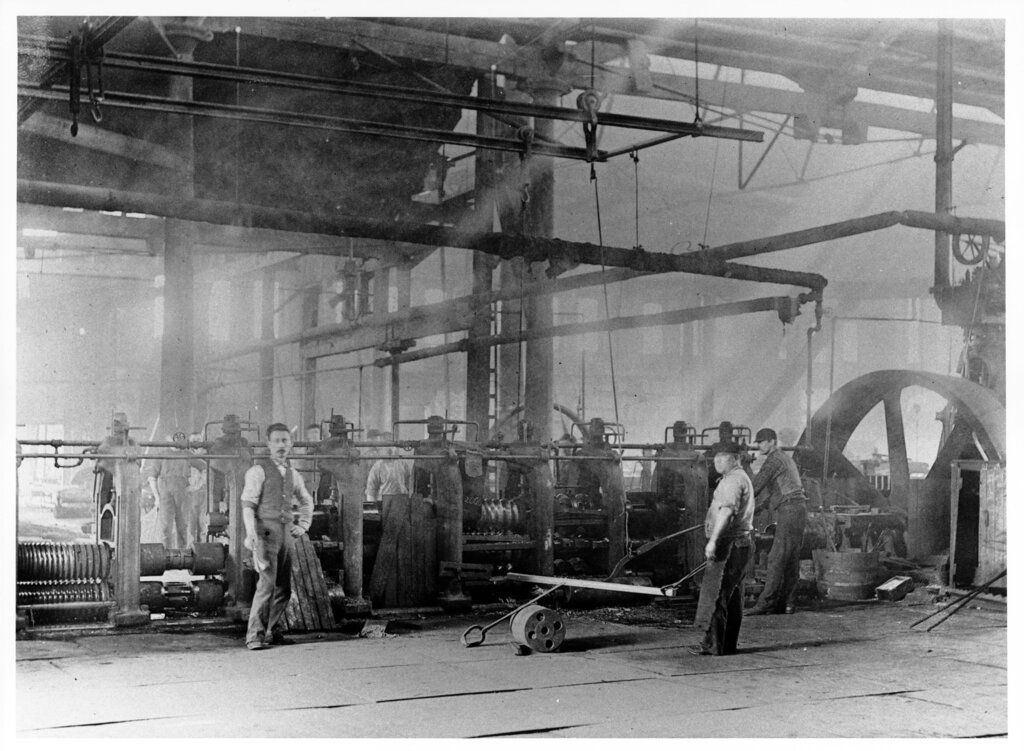
Hot rolling is performed at temperatures high enough for the metal's internal structure to recrystallize, or reform, as it's being shaped. For steel, this is typically above 1700°F (925°C).
Working with red-hot metal makes it much softer and more malleable. This allows for drastic changes in shape and thickness with less energy. It's the go-to method for producing large structural components like railroad tracks and I-beams, where precise surface finish isn't the top priority.
Cold rolling, on the other hand, happens at or near room temperature. Because the metal isn't heated, it's much harder and requires significantly more force to deform. This process, known as work hardening, actually increases the metal's strength and improves its surface finish.
Cold rolling is used when precision and a smooth surface are key. Think of the steel sheets used for car bodies, appliances, and furniture.
| Feature | Hot Rolling | Cold Rolling |
|---|---|---|
| Temperature | Above recrystallization | Below recrystallization |
| Force Required | Lower | Higher |
| Dimensional Accuracy | Less precise | More precise |
| Surface Finish | Scaly, rough | Smooth, clean |
| Final Strength | Standard | Increased (hardened) |
Applications All Around Us
The versatility of rolling makes it indispensable in countless industries. The construction industry relies on hot-rolled structural shapes like beams, channels, and angles to build everything from bridges to buildings.
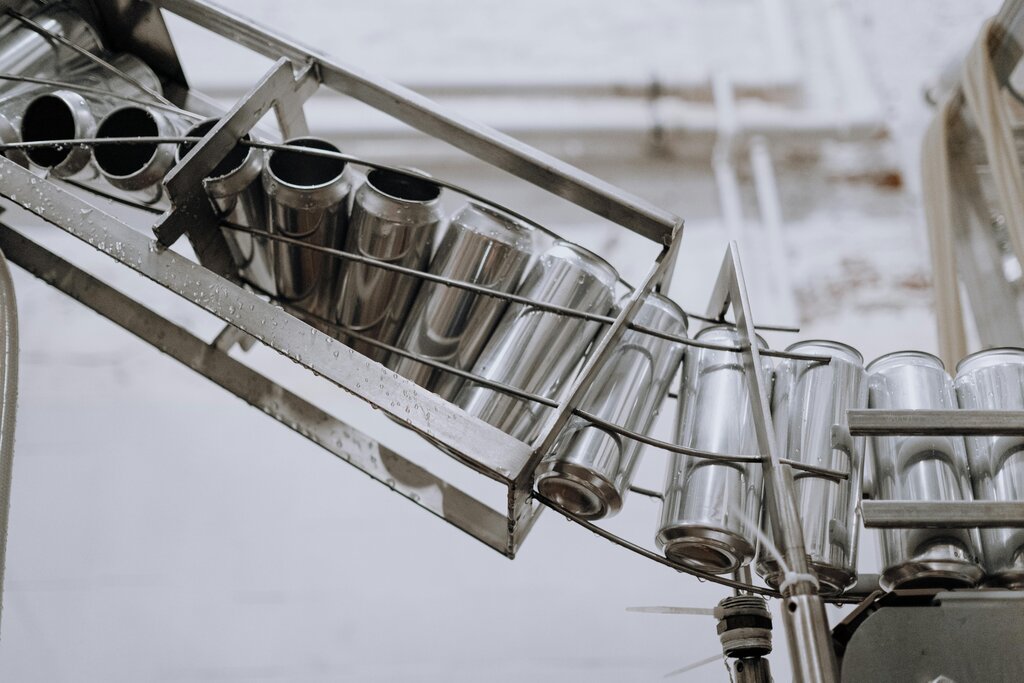
The automotive and appliance industries use vast quantities of cold-rolled steel sheets for their strength and smooth, paintable surfaces. Even the beverage cans in your refrigerator start as rolled sheets of aluminum.
Other rolling techniques create more specialized shapes. Thread rolling, for example, forms the threads on screws and bolts by pressing hardened dies against a blank. This is different from cutting the threads, as it reshapes the metal instead of removing it, resulting in a stronger thread.
Whether it's creating a simple flat sheet or a complex profile, rolling is a foundational manufacturing process that quietly shapes the modern world.
What is the primary purpose of the material rolling process?
Which rolling process results in a stronger material with a smoother surface finish due to work hardening?