Mastering the Art of Presentation
Understanding Public Speaking
What is Public Speaking?
Public speaking is the act of delivering a message to a live audience. It’s more than just talking in front of a group; it's a purposeful act of communication. Whether you're presenting a project at work, giving a toast at a wedding, or sharing an idea with your community, you're engaging in public speaking.
Mastering this skill is about more than just overcoming nervousness. It’s about learning to organize your thoughts, articulate them clearly, and connect with your listeners. Effective speaking can build your confidence, help you advocate for ideas you believe in, and establish you as a leader in your personal and professional life. It’s a tool for sharing knowledge, inspiring action, and creating change.

Effective public speaking helps assert leadership and authority.
The Core Components
Every act of public speaking involves a few key ingredients. Think of them as the building blocks of any successful speech or presentation. Understanding these parts helps you see how they work together to create a powerful message.
First, there’s the speaker—that’s you. Your knowledge, passion, and credibility are the foundation. Next is the message, which is the core idea you want to convey. It needs to be clear, organized, and relevant. Finally, there’s the audience, the group of people you are speaking to. They aren't passive listeners; their background, interests, and expectations shape how your message is received.
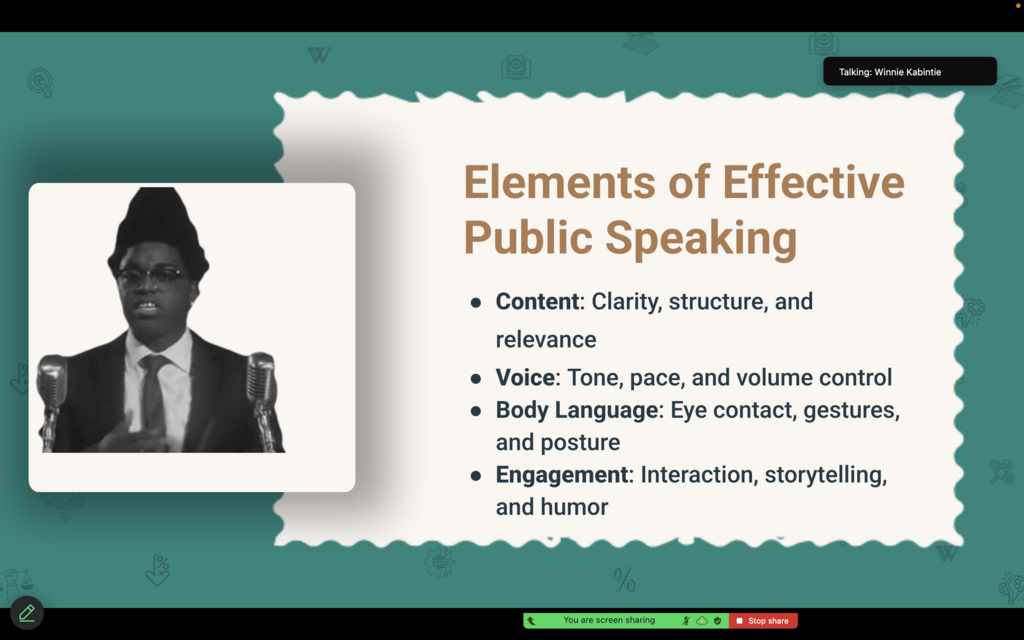
Effective communication happens when these three elements align. Your goal as a speaker is to build a bridge between your message and the minds of your audience, making your ideas understandable and memorable.
Know Your Audience
Of all the components, the audience is arguably the most important. A speech isn’t a monologue; it’s a conversation. To connect with your listeners, you first need to understand them. This process is called audience analysis.
Before you even start writing your speech, ask yourself a few questions about your audience:
- Who are they? Consider their general age, background, and profession.
- What do they already know? Are they experts on your topic, complete beginners, or somewhere in between?
- What do they care about? Try to connect your message to their needs, goals, or concerns.
- What is their attitude? Are they likely to be supportive, skeptical, or neutral about your topic?
Speaking to high school students about the importance of saving for retirement requires a very different approach than speaking to a group of financial advisors. The core message might be similar, but the language, examples, and tone must be tailored to each group.
The key to persuasive speaking is understanding your audience and framing your message to appeal to their interests and needs.
By keeping your audience in mind, you can craft a message that resonates, feels relevant, and is more likely to be heard and acted upon.
Common Scenarios
Public speaking isn't just for politicians or CEOs on a big stage. You probably encounter opportunities to speak in public more often than you think. Recognizing these situations helps you see the value in building your skills.
| Scenario | Description |
|---|---|
| Work Presentations | Sharing project updates, pitching a new idea, or leading a team meeting. |
| Academic Settings | Presenting research findings, participating in a debate, or leading a group discussion. |
| Community Events | Speaking at a town hall, volunteering to read to children, or addressing a local club. |
| Personal Life | Giving a toast at a celebration, delivering a eulogy, or speaking at a family gathering. |
Each of these scenarios calls for the same foundational skills: a clear message, an understanding of the audience, and a confident delivery. By practicing in smaller, everyday situations, you build the confidence to tackle bigger ones.
Now, let's test your understanding of these fundamental concepts.
What are the three core components that form the foundation of any public speaking situation?
Why is audience analysis considered a crucial first step in preparing a speech?
With these basics in mind, you have a solid foundation for becoming a more effective and confident speaker.