Mastering the Art of Meaningful Conversation
Social Psychology Foundations
Beyond Words: The Psychology of Interaction
Effective communication isn't just about what you say; it's about how the other person's mind processes it. Our brains are constantly taking shortcuts to make sense of the world. These shortcuts, or cognitive biases, shape our understanding and can lead to predictable patterns in how we judge people and situations. Understanding these patterns is the first step toward moving from simple conversation to strategic influence.
Us vs. Them: Your Social Identity
Why do people react so differently to the same message? A big part of the answer lies in Social Identity Theory. This idea suggests that our sense of self isn't just personal—it's also built from the groups we belong to. Think about your nationality, your favourite sports team, or your profession. These are all social identities.
We naturally categorise ourselves and others into 'in-groups' (us) and 'out-groups' (them). We tend to view members of our in-group more favourably and are more receptive to their ideas. This isn't a conscious choice; it's a deep-seated psychological process that shapes our trust and rapport with others. The theory was pioneered by Henri Tajfel, whose work helps explain everything from team loyalty to intergroup conflict.
First Impressions and Lasting Judgements
First impressions are powerful because of the primacy effect, where we give more weight to the first piece of information we receive. This leads directly to a cognitive bias known as the Halo Effect. If our initial impression of someone is positive, we tend to view their subsequent actions through a positive lens. We might assume a well-dressed colleague is also intelligent and competent.
The opposite is also true. The Horns Effect occurs when an initial negative impression colours all future interactions. If someone is late to a meeting, we might subconsciously label them as disrespectful and unreliable in general. These effects are particularly strong when we have limited information, forcing our brain to fill in the gaps. Awareness is key to managing these biases, both in how we perceive others and how we present ourselves.
Your first interaction is a high-stakes moment. By consciously managing it, you can set the stage for a positive, productive relationship.
Managing Impressions and Safety
Since we know first impressions matter, we can engage in impression management: consciously and subconsciously shaping how others see us. This isn't about being fake; it's about strategically presenting the most relevant aspects of yourself for a given situation. The sociologist Erving Goffman described this using the metaphor of a theatre, where we are all actors on a stage, performing different roles in different social settings.
Effective impression management helps build trust and influence. But influence requires more than just a good performance. It requires creating an environment of psychological safety. This is a shared belief within a team or group that it's safe to take interpersonal risks. People feel comfortable speaking up, asking questions, or admitting mistakes without fear of punishment or humiliation. When psychological safety is high, collaboration and innovation flourish because people aren't self-censoring out of fear.
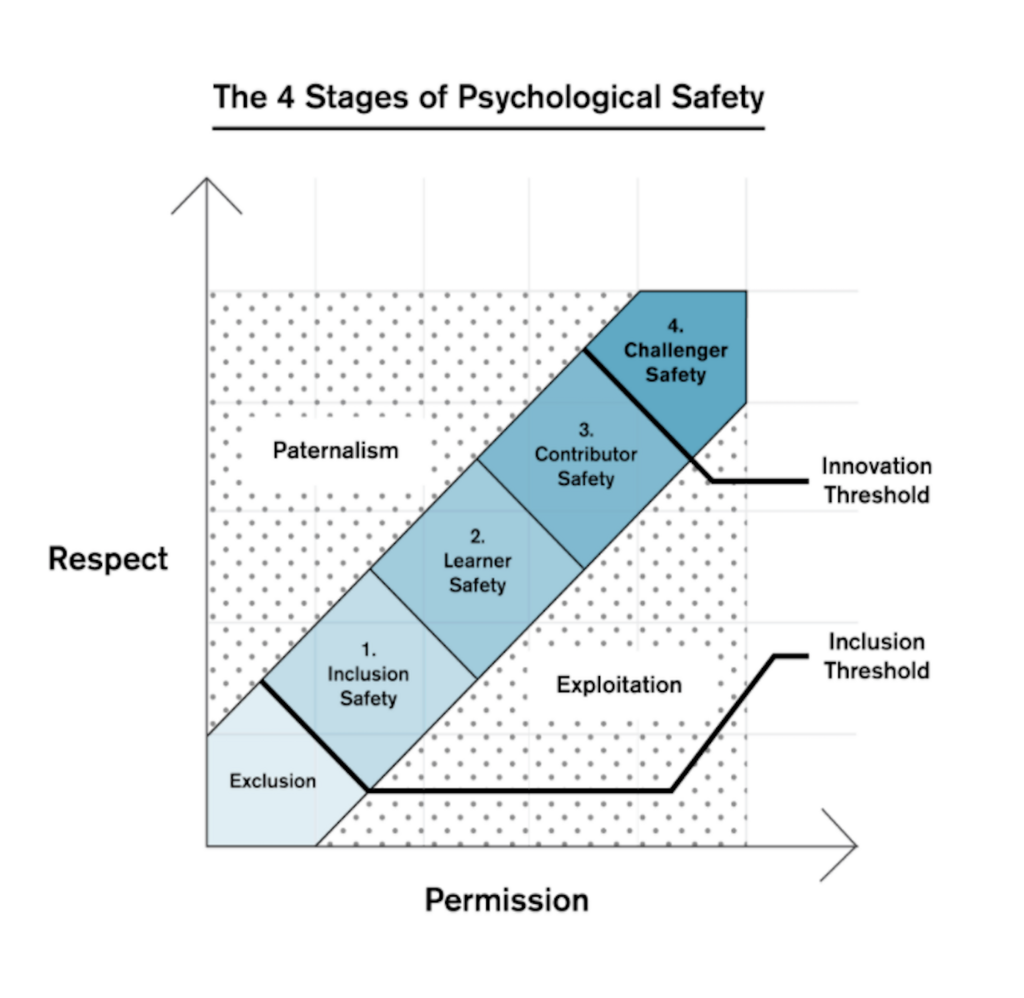
By understanding these core principles of social psychology, you can move beyond the surface level of communication. You can start to see the underlying forces that shape every conversation, negotiation, and relationship.
According to Social Identity Theory, our sense of self is significantly shaped by:
A manager is impressed by a new employee who gave a very articulate presentation. The manager then assumes the employee is also highly organised and a great team player, despite having no evidence of these qualities. This is a classic example of the: