Mastering the Art of Learning
Understanding Cognitive Processes
Your Brain's Learning Toolkit
Learning isn't a single event. It's a series of steps your brain takes to make sense of the world. Think of it like a mental toolkit, with each tool playing a specific role in turning raw information into lasting knowledge. Understanding these tools helps you work with your brain, not against it.
The Gateway to Learning
Everything you learn starts as sensory information—sights, sounds, and feelings from the world around you. Your brain's first job is to interpret this raw data. This process is called perception.
Perception is how your brain translates incoming signals into meaningful patterns. It’s the difference between seeing random splotches of color and recognizing your friend's face in a crowd.
But you're constantly bombarded with information. You can't possibly process all of it. That's where attention comes in. Attention acts like a spotlight, focusing your mental energy on what's most important and filtering out the rest. Without attention, information from your senses never even makes it to the next stage of learning.
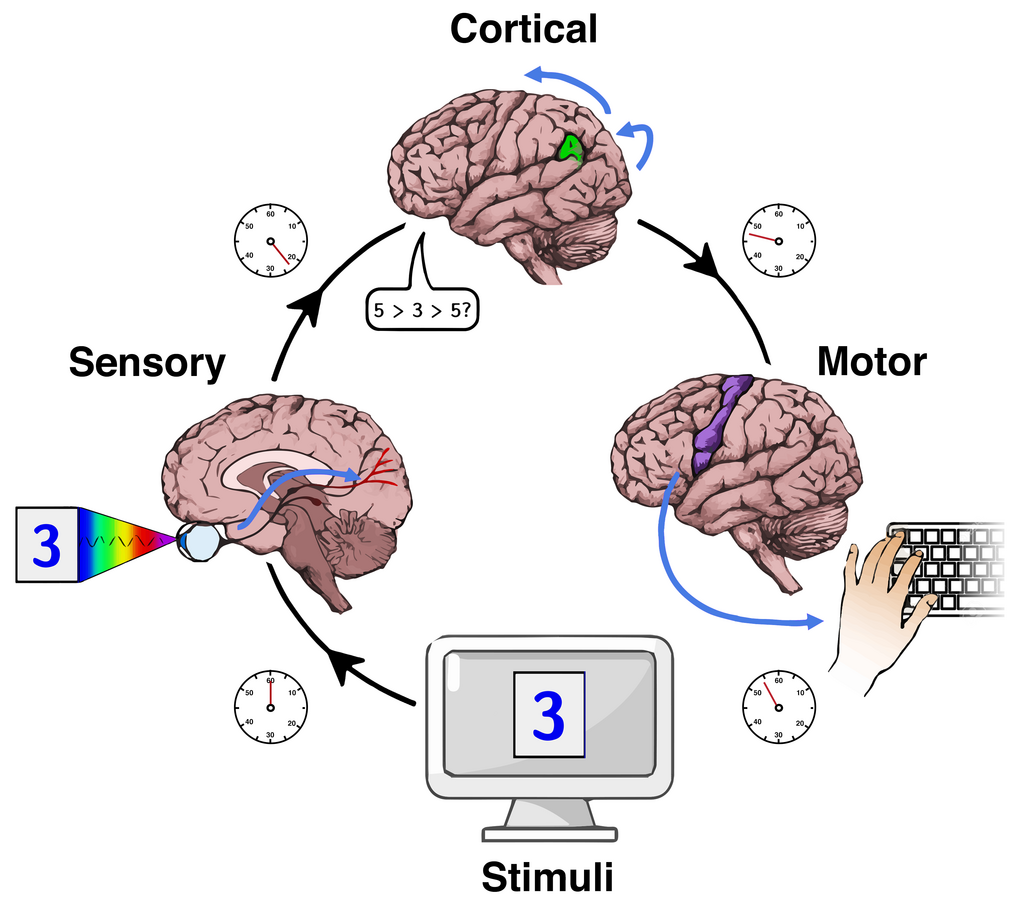
Once you've perceived something and paid attention to it, the next challenge is holding on to it. This is the job of your memory.
Your Mental Filing System
Memory isn't one single thing. It’s a complex system with different storage areas for different purposes. Think of it like a computer's memory, with quick-access RAM and a vast long-term hard drive. The three main stages are sensory, short-term, and long-term memory.
Sensory Memory is the briefest form, lasting only a few seconds. It’s like a fleeting echo of what you just saw or heard. It captures a huge amount of information, but most of it fades almost instantly.
Short-Term Memory, often called working memory, is what you're consciously thinking about right now. It holds a small amount of information (like a phone number you're about to dial) for a short period. This is the active workspace where you manipulate information and connect it to existing knowledge.
Long-Term Memory is the vast, durable storage for facts, experiences, and skills. Information moves from short-term to long-term memory through a process called encoding. When you remember something, you're pulling it back out through retrieval.
Putting Knowledge to Work
Learning isn't just about storing facts. It's about using them. This is where higher-level cognitive processes like problem-solving and critical thinking come into play. These skills allow you to analyze information, make connections, and generate new ideas.
Problem-solving
noun
The mental process of finding a solution to a specific issue or challenge.
Problem-solving is the act of taking what you know and applying it to a new situation. It involves identifying a goal and figuring out the steps to get there. Critical thinking is closely related. It’s the ability to evaluate information objectively, question assumptions, and consider different perspectives before reaching a conclusion.
These processes don't happen in isolation. They rely heavily on your memory to retrieve relevant information and your attention to focus on the task at hand. Together, these cognitive processes form the foundation of all meaningful learning.
Time to check your understanding of these core processes.
What is the very first step in the learning process, where the brain interprets raw data from the senses like sights and sounds?
Which cognitive process acts like a spotlight, focusing your mental energy on what's most important and filtering out distractions?
By understanding this basic toolkit—perception, attention, memory, and problem-solving—you can start to see why some study habits work better than others.