Mastering the Art of Learning
Introduction to Metacognition
Thinking About Thinking
Have you ever stopped to think about how you think? It sounds like a riddle, but it's a real question. This awareness of your own thought process is a skill, and it's one of the most powerful tools you can have for learning anything new.
Metacognition is the process of thinking about your own thinking. It’s like stepping back to observe your mind in action.
Instead of just passively absorbing information, you start to ask questions. What's the best way for me to approach this problem? Am I really understanding this, or just memorizing it? How can I connect this new idea to something I already know? This internal conversation is the foundation of effective learning.
Metacognition
noun
Awareness and understanding of one's own thought processes.
Why Metacognition Matters
Developing metacognitive skills turns you from a passenger into the driver of your own education. When you understand how you learn, you become more efficient and adaptable. You can identify when you're struggling and change your strategy, rather than just getting frustrated and giving up.
Think of it like being a chef. A novice chef follows a recipe exactly. An expert chef understands why the recipe works. They know how the ingredients interact and can adjust on the fly, substitute ingredients, or even create new dishes. Metacognition gives you that expert-level insight into your own learning process.
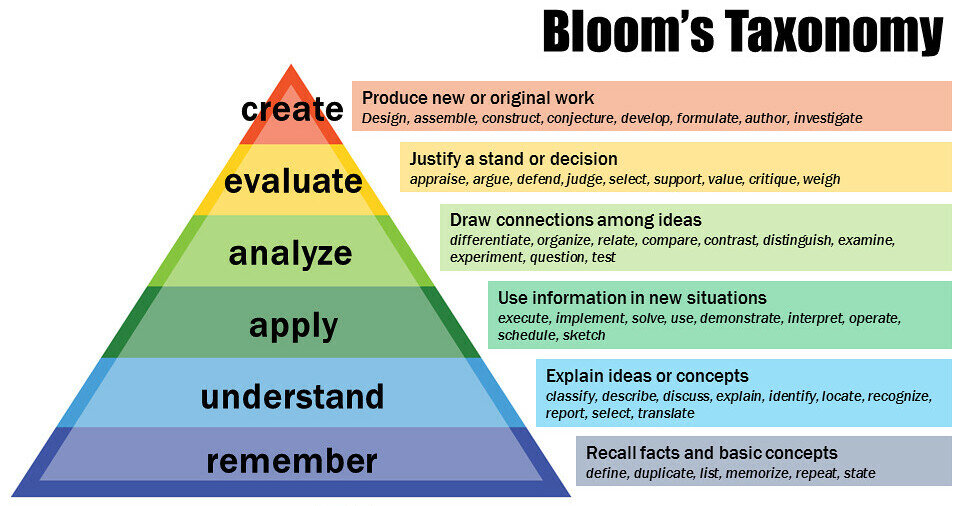
This self-awareness allows you to transfer knowledge from one situation to another. You don't just learn a fact; you learn the process of learning itself. This makes you a more versatile problem solver in school, at work, and in life.
Building Your Metacognitive Muscle
Like any skill, metacognition gets stronger with practice. You don't need complicated techniques to start. A simple framework is to Plan, Monitor, and Evaluate your learning tasks. This cycle transforms learning from a passive activity into an active, intentional process.
1. Plan: Before you start a task, think about what you want to achieve. What is your goal? What do you already know about this topic? What strategies could you use to tackle it?
2. Monitor: As you work, check in with yourself. Are you understanding the material? Is your plan working? You might realize you need to slow down, re-read a section, or try a different approach.
3. Evaluate: After you've finished, reflect on the process. What worked well? What didn't? What would you do differently next time? This step is crucial for refining your strategies for future tasks.
Metacognition is one’s ability to use prior knowledge to plan a strategy for approaching a learning task, take necessary steps to problem solve, reflect on and evaluate results, and modify one’s approach as needed.
By consciously moving through these steps, you begin to build a powerful awareness of your own learning habits and how to improve them.
What is the best definition of metacognition?
In the chef analogy, the expert chef who understands why a recipe works is compared to a learner who...