Mastering the Art of Kung Fu
History and Evolution
From Battlefield to Temple
The story of Chinese martial arts begins not in quiet temples, but on chaotic battlefields. Early forms of combat were purely practical, designed for military survival. The character for warfare, 戈 (gē), originally depicted a halberd, the quintessential weapon of ancient Chinese armies. It represented raw, uncodified fighting meant for conquest and defense of the state.
Over time, a more nuanced concept emerged: 武 (wǔ). This character is a combination of two radicals: 戈 (gē), the weapon, and 止 (zhǐ), which means “to stop.” The philosophy shifted. Martial arts were no longer just about waging war, but about the skill and discipline required to stop violence. This transition from 'Ge' to 'Wu' marks the birth of martial arts as a structured practice, moving beyond simple military drilling into a system with its own philosophy and principles.
The Shaolin Connection
No institution is more central to the story of Kung Fu than the Shaolin Temple. Founded in the 5th century, it became a hub for Chan (Zen) Buddhism. Legend credits an Indian monk named with introducing a series of physical exercises to the temple in the 6th century. He reportedly found the monks were too weak from prolonged meditation to achieve enlightenment. His exercises were designed to build their physical and mental stamina.
These exercises, which included stretching and breathing techniques, are considered the seed from which Shaolin Kung Fu grew. Over centuries, the monks refined these movements, incorporating existing combat techniques from retired soldiers and traveling martial artists who sought refuge at the temple. Shaolin became a unique laboratory where spiritual cultivation and martial prowess were fused.
Martial arts is a vehicle to practice Ch’an Buddhism and is a part of Shaolin’s unique culture.
Dynasties and Rebellion
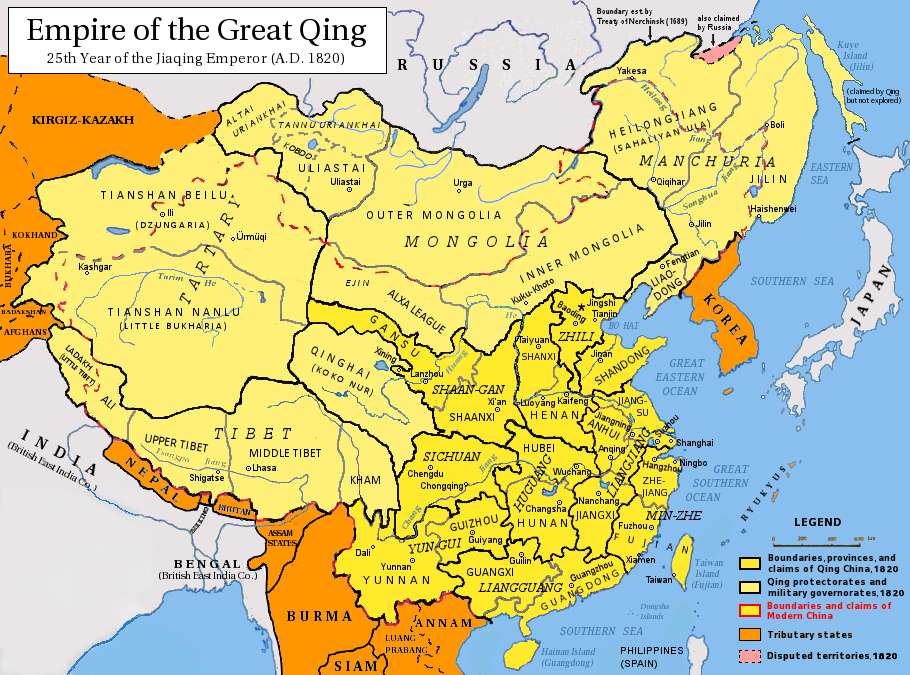
The evolution of Kung Fu was never separate from the political landscape of China. When the was established by the Manchus in the 17th century, it created a period of instability and suspicion. The new rulers distrusted the martial practices of the Han Chinese, fearing they could fuel rebellion. Public practice of martial arts was often banned, and weapons were confiscated.
This suppression had an unintended consequence: it drove Kung Fu underground. Martial artists formed secret societies to preserve their knowledge. The focus of the arts began to shift away from battlefield techniques, which relied on long weapons and group formations, toward civilian self-defense. Systems that were practical for one-on-one encounters in tight spaces, using easily concealed weapons or empty hands, became more valuable.
This period of secrecy and adaptation directly fueled the Boxer Rebellion (1899-1901). The Boxers, officially known as the Society of Righteous and Harmonious Fists, were a secret society that practiced martial arts and believed their spiritual training made them impervious to foreign weapons. They rose up to expel Western and Japanese influence from China. Though brutally suppressed by an international coalition, the rebellion cemented the association of martial arts with Chinese nationalism and resistance.
North vs. South
The vast geography of China also shaped the development of Kung Fu, leading to a broad distinction between Northern and Southern styles. This divergence was driven by the environment and the different lifestyles it fostered.
Northern Styles developed on the wide, open plains of northern China. Life there often involved horsemanship. As a result, the martial arts emphasize mobility, wide stances, and powerful, acrobatic kicking techniques. Styles like Changquan (Long Fist) and Baguazhang are characterized by fluid movement and sweeping, long-range attacks.
Southern Styles emerged in the dense, populous, and river-heavy regions of southern China. Fighting was more likely to happen in close quarters, on unstable ground, or even on boats. These styles, like Wing Chun and Hung Gar, emphasize strong, stable stances, intricate hand techniques, and powerful, short-range strikes. Kicks are typically low and used to attack the legs.
This geographical split is a generalization, but it provides a useful framework for understanding the incredible diversity within Chinese martial arts. From the battlefield to the temple, and from open plains to crowded cities, Kung Fu has always adapted to the needs of its practitioners and the world around them.
Ready to test your knowledge on the evolution of Kung Fu?
What fundamental philosophical shift is represented by the evolution of the Chinese character for martial arts from 戈 (gē) to 武 (wǔ)?
According to legend, why did the Indian monk Bodhidharma introduce physical exercises to the Shaolin Temple monks?
From battlefield utility to a sophisticated art of self-cultivation, the history of Chinese martial arts reflects the dynamic story of China itself.