Mastering the Art of Illustration
Elements of Art
The Building Blocks of Art
Every drawing, painting, or sculpture you've ever seen is built from the same set of fundamental components. These are the elements of art: the visual vocabulary artists use to create. Think of them like the notes in a piece of music or the ingredients in a recipe. By understanding and combining them in different ways, you can express any idea or feeling you want.
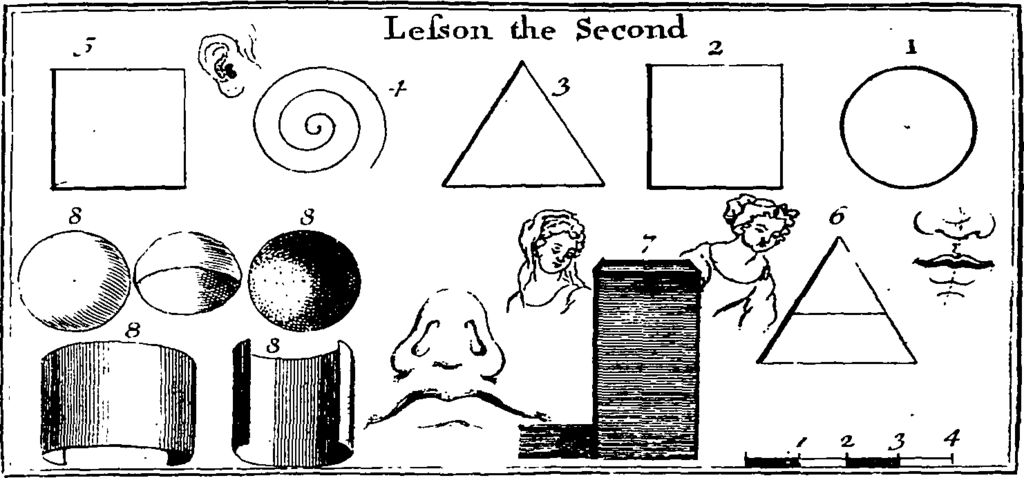
Learning these elements isn't about memorizing rules. It's about training your eyes to see the world differently and gaining the tools to translate that vision onto paper or screen. Let's break them down one by one.
Line and Shape
Everything in art starts with a line. A line is simply a mark that connects two points. But that simple definition hides its incredible power. A line can be straight, curved, thick, thin, jagged, or smooth. Each quality communicates something different. A sharp, angular line can feel energetic or aggressive, while a soft, flowing line might suggest calmness or grace.
Lines don't just outline things; they can also guide the viewer's eye through a picture or create a sense of movement and direction.
When a line curves around and connects to its own starting point, it creates a shape. Shapes are flat, two-dimensional areas defined by their boundaries. We can group them into two main categories.
Geometric shapes are precise and mathematical: circles, squares, triangles. They often feel stable and organized.
Organic shapes are irregular and free-form, like the shapes you find in nature: a cloud, a puddle, a leaf. They tend to feel more natural and dynamic.
Form and Space
If you take a shape and give it depth, you get a form. Form is the three-dimensional version of a shape. A square becomes a cube, a circle becomes a sphere, and a triangle becomes a cone or a pyramid. While a shape has height and width, a form has height, width, and depth. Artists create the illusion of form on a flat surface using techniques like shading and perspective.
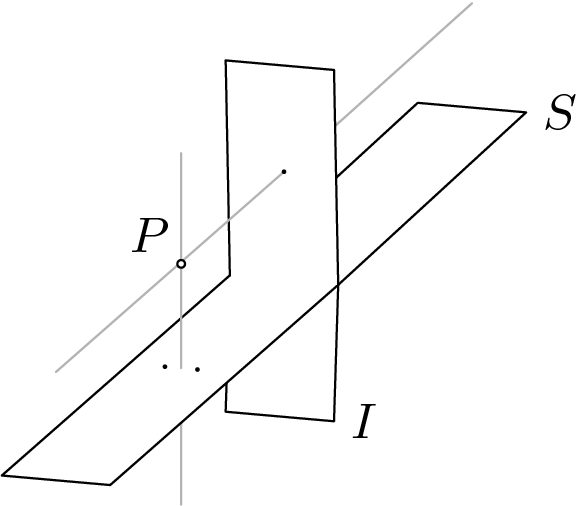
Where do these forms exist? In space. In art, space refers to the area around, between, and within objects. It's not just empty background; it's an active part of the composition.
We often talk about space in two ways:
- Positive space is the area taken up by the main subject or objects.
- Negative space is the empty area surrounding the subjects.
Skilled artists pay just as much attention to the shape of the negative space as they do to the positive space. A well-balanced composition uses both to create interest and clarity.
Think of the arrow hidden in the FedEx logo. It's a brilliant use of negative space to create a secondary image.
Value, Color, and Texture
Value is the lightness or darkness of a color. A drawing made only with a graphite pencil is a study in value. It uses a range of grays from light to dark to define forms and create a sense of light and shadow. A wide range of values can make an image pop with contrast, while a narrow range can create a softer, more subtle mood.
Color is often the most expressive element of art. It's what we see when light reflects off an object and into our eyes. Color can affect our emotions, draw our attention, and create a specific atmosphere in a piece. While the science of color theory is a deep topic, simply understanding that color can be used to set a mood or highlight important parts of an image is a great start.
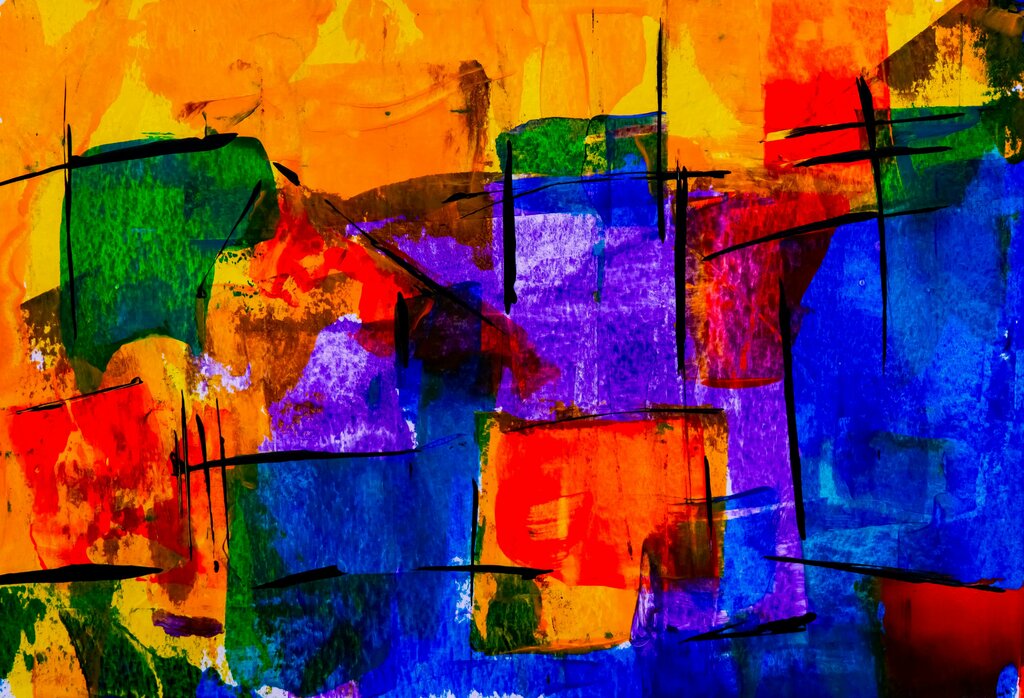
Finally, texture refers to the surface quality of an object, or how it feels to the touch. In art, texture can be actual or implied.
Actual texture is physical. A sculpture made of rough stone has an actual texture you can feel. A painting with thick dabs of paint also has an actual texture.
Implied texture is a visual illusion. An artist can use lines, shading, and color to make something look like it has a certain texture, like drawing the smooth shine of glass or the soft fluff of a cat. This skill makes a two-dimensional drawing feel more real and engaging.
These seven elements are the foundation of all visual art. By learning to recognize and use them, you gain the power to not only appreciate art more deeply but also to create compelling images of your own.
An artist is drawing a portrait. The area taken up by the person's face and shoulders is known as what?
Which element of art is defined as a flat, two-dimensional area created when a line connects to its starting point?