Mastering the Art of Hobby Discovery
Hobby Psychology Frameworks
The Why Behind the What
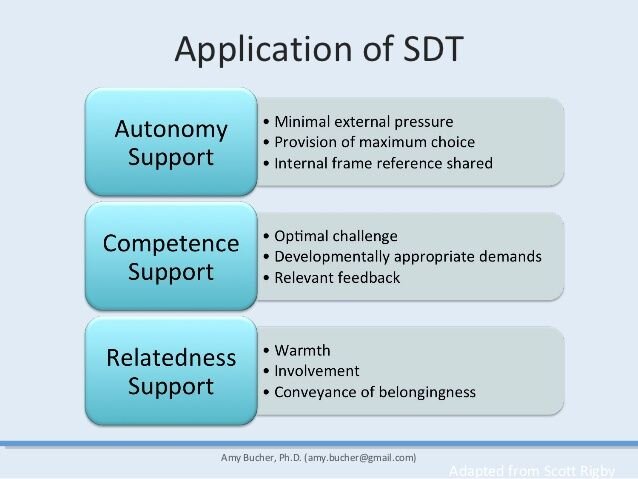
Choosing a hobby often feels like a matter of simple preference. We do what we enjoy. But beneath the surface of enjoyment are deeper psychological needs that drive our choices in leisure. Self-Determination Theory (SDT) offers a powerful framework for understanding this. It suggests that for an activity to be truly fulfilling, it needs to satisfy three innate psychological needs.
- Autonomy: The need to feel in control of our own behaviors and goals. Hobbies are a prime domain for autonomy because we choose them freely.
- Competence: The need to feel effective and capable. We enjoy hobbies where we can see ourselves improve and master new skills.
- Relatedness: The need to feel connected to others. Hobbies can fulfill this by creating a sense of community or shared experience.
When a hobby hits all three, it doesn't just pass the time; it contributes significantly to our well-being. Think about your interest in reading science. It satisfies competence as you master complex topics and autonomy in your choice of material. The relatedness component might come from discussing what you've learned with others.
Finding Your Flow
Beyond fulfilling basic needs, the most engaging hobbies often induce a state of 'flow'. Coined by psychologist Mihaly Csikszentmihalyi, flow is a state of complete absorption in an activity. Time seems to disappear, your focus narrows, and the experience itself becomes the reward.
Flow occurs when the level of challenge presented by a task matches an individual’s level of skill.
This balance is crucial. If a task is too easy for your skill level, you become bored. If it's too difficult, you feel anxious. Flow exists in the narrow channel where the challenge constantly pushes the boundaries of your current skills. This is why learning a musical instrument or playing a competitive strategy game can be so captivating. You're always operating at the edge of your ability.
Pleasure vs. Purpose
Satisfaction from hobbies can be broken down into two types: hedonic and eudaimonic.
Hedonic well-being is about pleasure, enjoyment, and the absence of distress. It’s the feeling you get from watching a funny movie or eating a good meal. These activities are about immediate gratification.
Eudaimonic well-being comes from purpose, personal growth, and realizing your potential. It's the satisfaction of achieving a long-term goal or mastering a difficult concept. This type of well-being is often more lasting.
Most hobbies offer a mix of both, but they usually lean one way. Reading science, for example, is primarily eudaimonic. The satisfaction comes from the growth and understanding you gain, not just the momentary pleasure of reading.
| Type | Focus | Feeling | Examples |
|---|---|---|---|
| Hedonic | Pleasure & Enjoyment | Happiness, fun | Watching a sitcom, listening to pop music, playing a simple mobile game |
| Eudaimonic | Growth & Meaning | Fulfillment, purpose | Learning a language, training for a marathon, volunteering |
An analytical mind often gravitates towards eudaimonic pursuits. While deeply rewarding, a life filled only with purpose-driven activities can lead to burnout. The key is balance. Strategically choosing some hedonic hobbies can provide necessary mental rest and prevent your leisure time from feeling like more work.
A Strategic Selection
To find complementary activities, you can profile hobbies based on their cognitive load and their primary source of engagement. Let's analyze your interest in 'reading science' as a baseline:
- Cognitive Load: High. It requires intense focus and analytical thinking.
- Primary Engagement: Mental. It's a solitary, intellectual activity.
- Well-being Type: Primarily Eudaimonic.
A good complementary hobby would have a contrasting profile. You might look for something with a low cognitive load that engages you physically or socially.
Consider hiking. The cognitive load is low, allowing your analytical mind to rest. The engagement is physical, providing a balance to sedentary reading. And while it can be eudaimonic (training for a tough trail), it's also highly hedonic (enjoying nature).
Other examples of balancing hobbies for a high-cognition primary interest might include:
- Social: Joining a casual sports league or a board game club.
- Physical & Creative: Pottery or woodworking, which engage the hands and provide tangible feedback.
- Restorative: Mindfulness meditation or learning to cook a new cuisine.
By assessing hobbies through these psychological lenses, you move from simply picking what sounds fun to strategically building a set of leisure activities that nourish all aspects of your mind and well-being.
Test your understanding of these frameworks.
According to Self-Determination Theory, a hobby is most fulfilling when it satisfies which three innate psychological needs?
The state of 'flow' is most likely to occur when:
This strategic approach ensures your downtime is truly restorative, providing a necessary counterbalance to a demanding intellectual life.