Mastering the Art of High Impact Blog Writing
Narrative Architectures
Structure Beyond the List
Most blog content falls into two structural camps: delivering information quickly or telling a story slowly. Neither is inherently better, but choosing the right one for your message is critical. The most common structure for fast information delivery is the Inverted Pyramid, a technique borrowed from journalism.
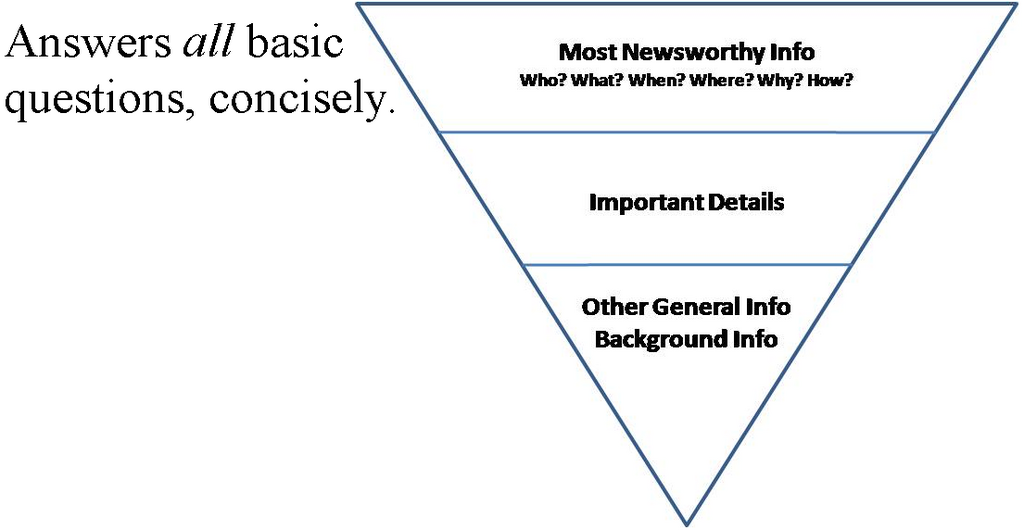
It works by front-loading the conclusion. You answer the reader's most pressing questions immediately, then fill in supporting details and background information. This is ideal for news, announcements, or technical guides where the reader wants a specific answer and may not read the entire article. It respects their time by giving them the takeaway first.
Storytelling structures do the opposite. They build suspense, create an emotional connection, and guide the reader on a journey. Instead of giving the answer away, they present a problem, explore its consequences, and then reveal a solution. These narrative architectures are more persuasive and memorable, making them perfect for thought leadership, case studies, and any content designed to change a reader's perspective or behaviour.
Use the Inverted Pyramid for clarity and speed. Use a narrative structure for persuasion and impact.
Narrative Frameworks
Three powerful narrative frameworks can transform your research and ideas into a compelling story: Before-After-Bridge (BAB), Problem-Agitate-Solution (PAS), and the APP introduction method.
Before-After-Bridge (BAB) is optimistic. It opens by describing a problem the reader is facing (Before). Then, it vividly paints a picture of a world where that problem is solved (After). Finally, it introduces your content, product, or service as the mechanism for getting from Before to After (Bridge). It focuses on the destination, making it highly aspirational.
Problem-Agitate-Solution (PAS) is more direct and pain-focused. It starts by identifying a specific problem (Problem). Then, instead of jumping to the solution, it explores the frustration and negative consequences of that problem (Agitate). This makes the reader feel understood and acutely aware of their need for a fix. Only then do you introduce the fix (Solution). This framework creates urgency.
The APP (Agree, Promise, Preview) method is an excellent structure for introductions. You begin by stating a point your audience already accepts (Agree). This builds instant rapport. Next, you offer a path to a better outcome related to that point (Promise). Finally, you tell them exactly what you are going to cover (Preview). This sets clear expectations and convinces them the article is worth their time.
From Research to Narrative
High-quality content is built on solid research, but data alone does not make a compelling article. The skill is in weaving facts, statistics, and expert opinions into a coherent narrative flow. This is how you move from a collection of notes to a structured story that guides the reader.
Start by mapping your research to a chosen framework. If you're using PAS, sort your notes into three piles: points that define the problem, points that highlight the consequences, and points that present the solution. This act of sorting transforms your research from a simple list into a logical progression.
For example, imagine you are writing about the difficulty of remote team collaboration. Your research includes statistics on wasted time in meetings, quotes about miscommunication, and details on a new project management tool.
- Problem: Your notes on inefficient meetings and communication challenges.
- Agitate: Quotes from frustrated managers and data on project delays.
- Solution: The features and benefits of the new tool, along with case studies.
By organising your research this way, the article begins to write itself. The structure provides a skeleton, and your research adds the flesh. This deliberate process ensures every piece of information serves the larger narrative, creating a piece that is both informative and persuasive, guiding your reader from a point of pain to a place of understanding.
What is the primary purpose of the Inverted Pyramid structure in blog writing?
A blog post introduction that first states 'Keeping your team aligned is harder than ever,' then offers to show 'a simple method to improve communication,' before outlining the key points of the article is using which framework?
These structures provide a proven roadmap for creating content that connects. By choosing the right one, you can turn a dry collection of facts into a memorable and persuasive narrative.