Mastering the Art of Getting Started
Objective Deconstruction
From Vague to Actionable
Most people start a new learning project with a vague goal, like "learn finance" or "get good at FL Studio." These are admirable intentions, but they aren't goals. They're wishes. They lack the specifics needed to create a real plan, which is why most of these efforts fizzle out after a few weeks.
The key is to reverse engineer your desired outcome. Instead of starting with a broad topic, start with a concrete, tangible result you want to achieve. This shifts the focus from an endless field of study to a specific, finishable project. The first step in this process is making your goal less of a wish and more of a command.
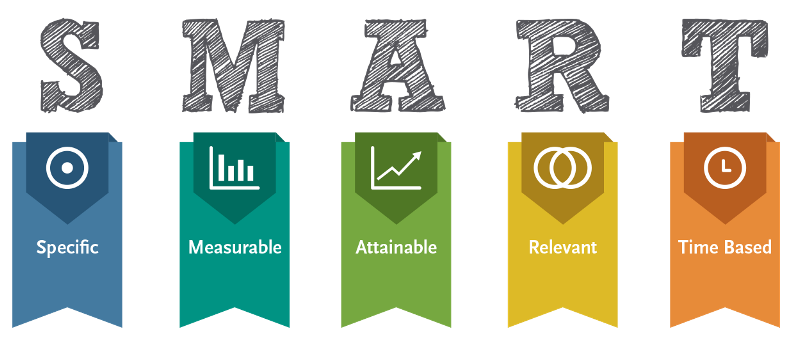
Establish specific, measurable, achievable, relevant, and time-bound (SMART) learning goals.
The SMART framework is a classic for a reason. It forces clarity. It turns a fuzzy idea into a clear target.
Vague Goal: Learn Google Sheets.
SMART Goal: Within 30 days, I will build a personal budget tracker in Google Sheets that uses VLOOKUP to categorize expenses and a Pivot Table to generate a monthly summary report.
See the difference? The second goal gives you a destination. It defines what
done
looks like. It also provides the building blocks for your curriculum. You now know you need to learn basic formulas, VLOOKUP, and Pivot Tables. Everything else is secondary.
Deconstruct the Skill
A SMART goal is a great start, but it's still a macro-goal. To make it truly manageable, you need to deconstruct it into its smallest component parts, or sub-skills. Think of yourself as a mechanic taking apart an engine. What are the individual pieces that make the whole thing work?
This process helps you identify the exact knowledge you need. For the Google Sheets goal, your sub-skills might be:
- Basic spreadsheet navigation and cell formatting.
- Writing simple formulas (SUM, AVERAGE).
- Understanding the syntax of VLOOKUP.
- Structuring data for a Pivot Table.
- Creating and customizing a Pivot Table report.
Listing these out creates a focused to-do list and demystifies the larger goal. It also helps you define your (MVP). This isn't about becoming a world-class expert; it's about defining the minimum skill level required to achieve your specific goal and feel successful. Once you can automate your budget, you've hit your MVP. You can always learn more later.
Once you have your sub-skills, you can perform a gap analysis. Go through the list and rate your current confidence level for each item on a scale of 1 to 5. The items with the lowest scores are where you need to focus your energy first.
Focus on the 20%
Not all sub-skills are created equal. The suggests that in many situations, roughly 80% of the results come from 20% of the effort. This is often called the 80/20 rule, and it's a powerful tool for efficient learning.
When you look at your list of deconstructed skills, ask yourself: Which 20% of these skills will get me 80% of the way to my goal? In our Google Sheets example, mastering VLOOKUP and Pivot Tables is the critical 20%. Basic formatting and simple formulas are necessary, but they deliver less of the final result.
By focusing your initial energy on these high-impact skills, you build momentum quickly. You get a tangible result sooner, which reinforces your motivation to keep going. You can always go back and polish the other 80% of the skills later, but you've already achieved your primary objective.
According to the described learning strategy, what is the main problem with a vague goal like "learn finance"?
The process of breaking a large goal down into its smallest component parts is called ______.
This structured approach transforms learning from a passive activity into an active, strategic project. You're no longer just consuming information; you're building a specific capability, one targeted skill at a time.