Mastering the Art of French Macarons
Understanding Macaron Ingredients
The Anatomy of a Macaron
At first glance, a French macaron seems impossibly delicate. That crisp, airy shell giving way to a soft, chewy interior is a marvel of pastry science. But it all comes down to just three core ingredients working in perfect harmony: almond flour, egg whites, and sugar. The magic is in the details of how these simple components are chosen and prepared.
Almond Flour: The Foundation
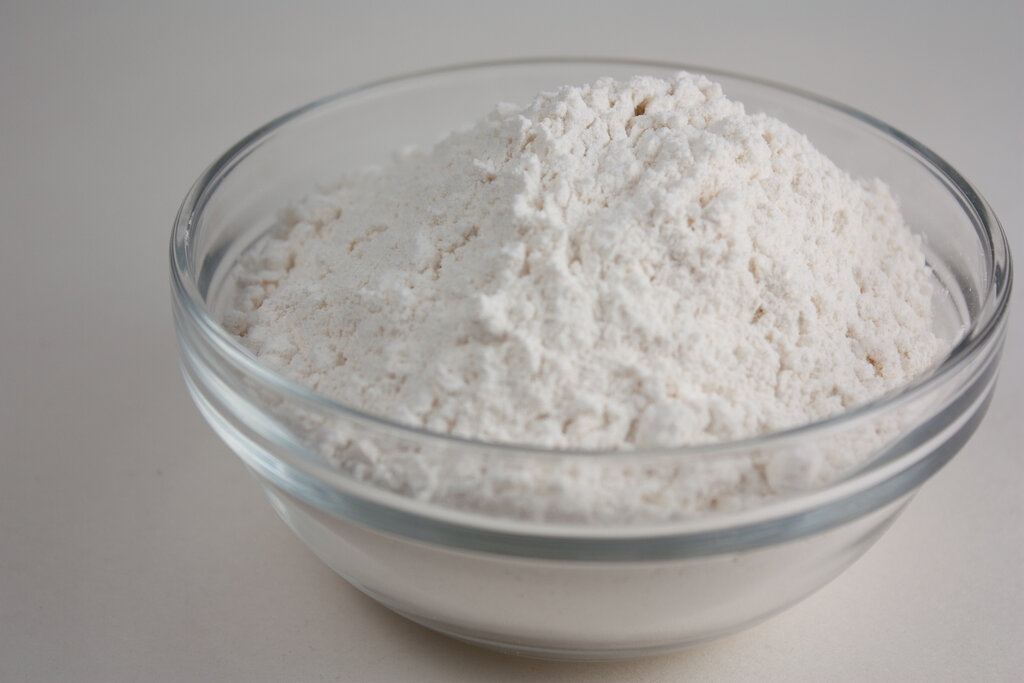
The distinct texture and subtle nutty flavor of a macaron shell come from almond flour. Unlike regular wheat flour, it's gluten-free, which prevents the shells from becoming tough and bread-like. Instead, it creates a tender, slightly chewy crumb.
For the smoothest possible macaron tops, you need to use finely ground, blanched almond flour. "Blanched" simply means the almonds had their skins removed before being ground. This results in a lighter color and a finer texture. Always sift your almond flour, usually along with the powdered sugar, to remove any lumps. This step is crucial for achieving that signature smooth, glossy surface.
Egg Whites: The Lift
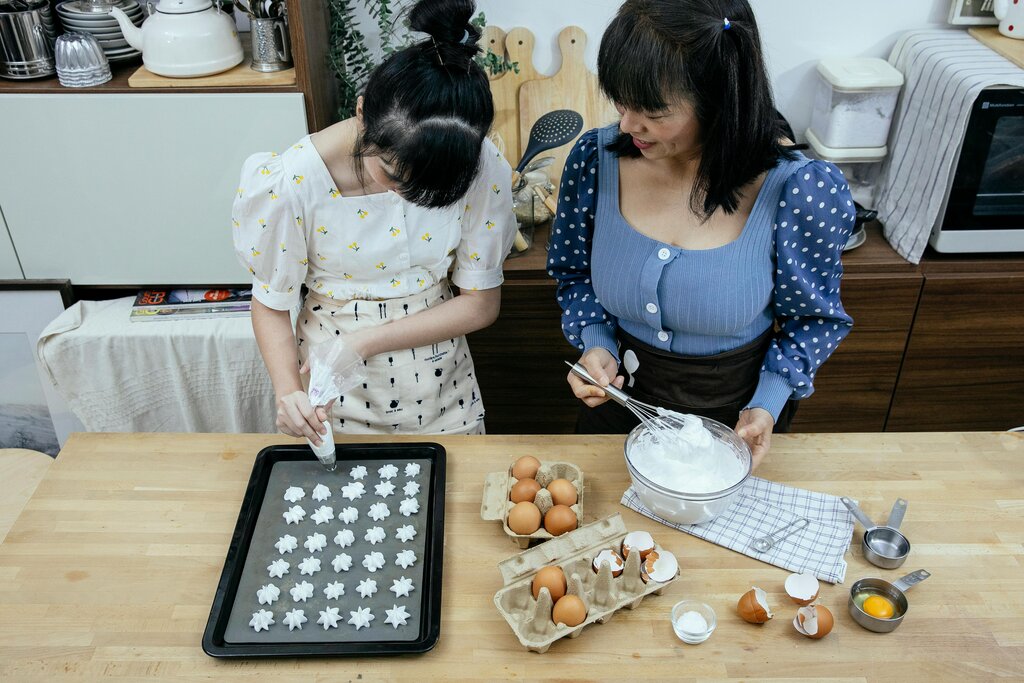
Egg whites are the heart of the macaron, providing the lift and structure. When whipped, they transform into a meringue, trapping air bubbles that expand in the oven to create the light, airy interior and the ruffled "feet" at the base of the shell.
The key to a strong, stable meringue is managing moisture. Many bakers prefer to use "aged" egg whites. This means separating the yolks and letting the whites sit in a covered container in the refrigerator for at least 24 hours. This process allows some water to evaporate, concentrating the proteins. More concentrated protein creates a stronger foam that is less likely to collapse. Before whipping, always bring your egg whites to room temperature, as this helps them whip up to their fullest volume.
A little bit of acid, like a pinch of cream of tartar or a few drops of lemon juice, is often added to the egg whites. This helps to stabilize the proteins, making your meringue less prone to over-whipping and creating a more resilient final structure.
Sugar: The Stabilizer
Sugar plays a dual role in macarons. It provides sweetness, of course, but more importantly, it provides stability and structure.
Two types of sugar are typically used:
-
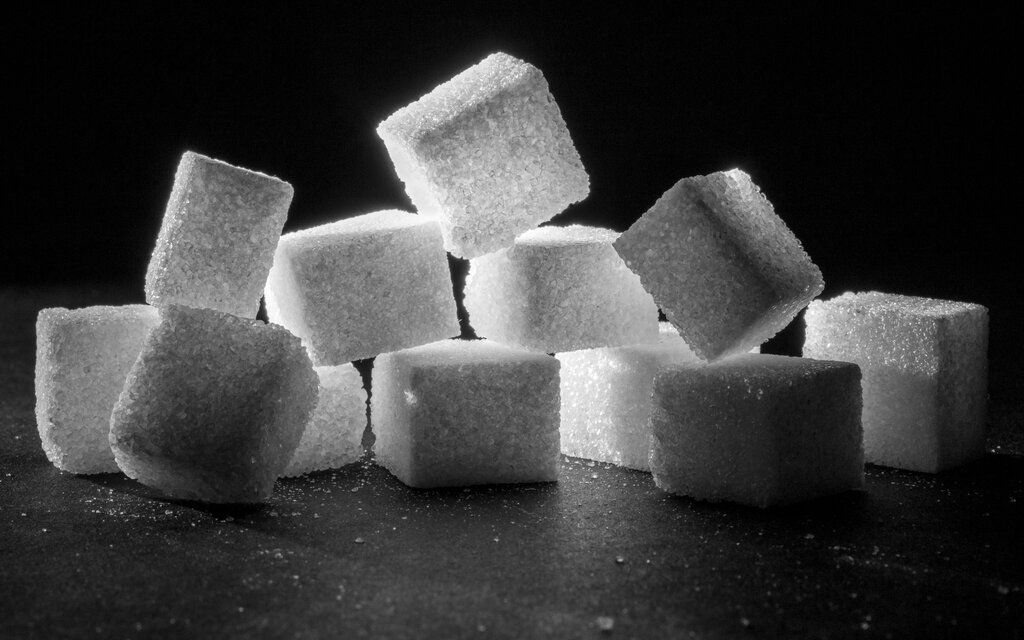
Granulated Sugar: This is added directly to the egg whites as they're being whipped. The sugar crystals dissolve and help to create a strong, glossy, and stable meringue. Without it, the whipped egg whites would quickly deflate.
-
Powdered Sugar (Confectioners' Sugar): This is sifted together with the almond flour and folded into the finished meringue. It contributes to the crispness of the shell and helps it dry out properly before baking. Most powdered sugar contains a small amount of cornstarch, which aids in absorbing moisture.
Precision Is Everything
Baking is a science, and macarons are a prime example. Unlike forgiving chocolate chip cookies, macaron recipes have very little room for error. The ratio of almond flour to powdered sugar to egg whites is finely balanced. A few extra grams of one ingredient can throw off the entire recipe, leading to cracked shells, hollow interiors, or a lack of feet.
This is why nearly all professional macaron recipes use weight measurements (grams) instead of volume (cups). A digital kitchen scale is a baker's best friend. Measuring by weight is far more accurate and consistent, as the density of flour can vary depending on how it's packed into a cup.
The speed at which you cream the ingredients and the length of time you cream your ingredients and the temperature of your ingredients will all effect the final product.
Quality also matters. Using fresh, high-quality ingredients will always yield a better-tasting result. Since the ingredient list is so short, each one has a chance to shine. Starting with a solid foundation of well-measured, quality ingredients is the first and most important step toward mastering this famous French pastry.
What is the primary reason for using almond flour instead of regular wheat flour in macaron shells?
What is the main benefit of “aging” egg whites before making a macaron meringue?
With these fundamentals in place, you're ready to understand how these ingredients are combined.