Mastering the Art of Fishing
Fishing Environments
Freshwater Habitats
Freshwater environments, characterized by their low salt content, are broadly divided into two types. Understanding this distinction is key to locating fish.
Freshwater habitats can be classified into two primary categories: lentic (standing water) and lotic (flowing water).
Lentic systems include ponds, lakes, and reservoirs. Here, water is relatively still. Fish behavior is often driven by water temperature, clarity, and available structure. Bass might hold near submerged logs in a lake, while trout in a deep, cold reservoir will seek specific temperature layers. The lack of current means fish roam more to find food.
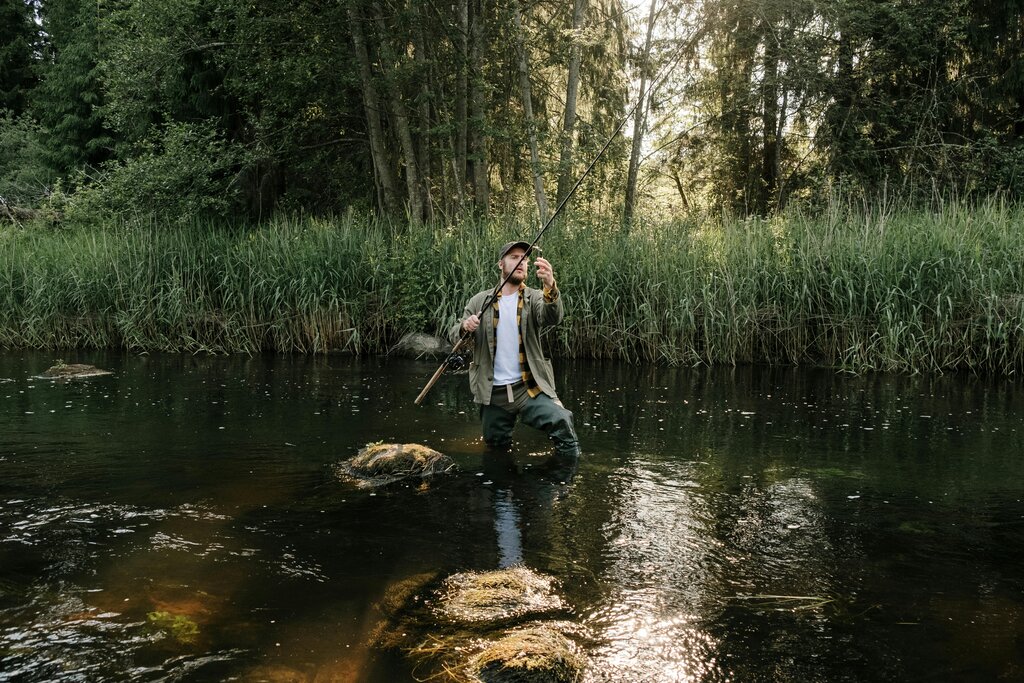
Lotic systems are rivers and streams where water is constantly moving. The current dictates everything. Fish in these environments are adapted to hold in spots that offer a reprieve from the flow, like behind rocks or in slower pools. These currents act as conveyor belts, bringing food directly to them. A trout in a river will face upstream, waiting for insects to drift by.
Saltwater Environments
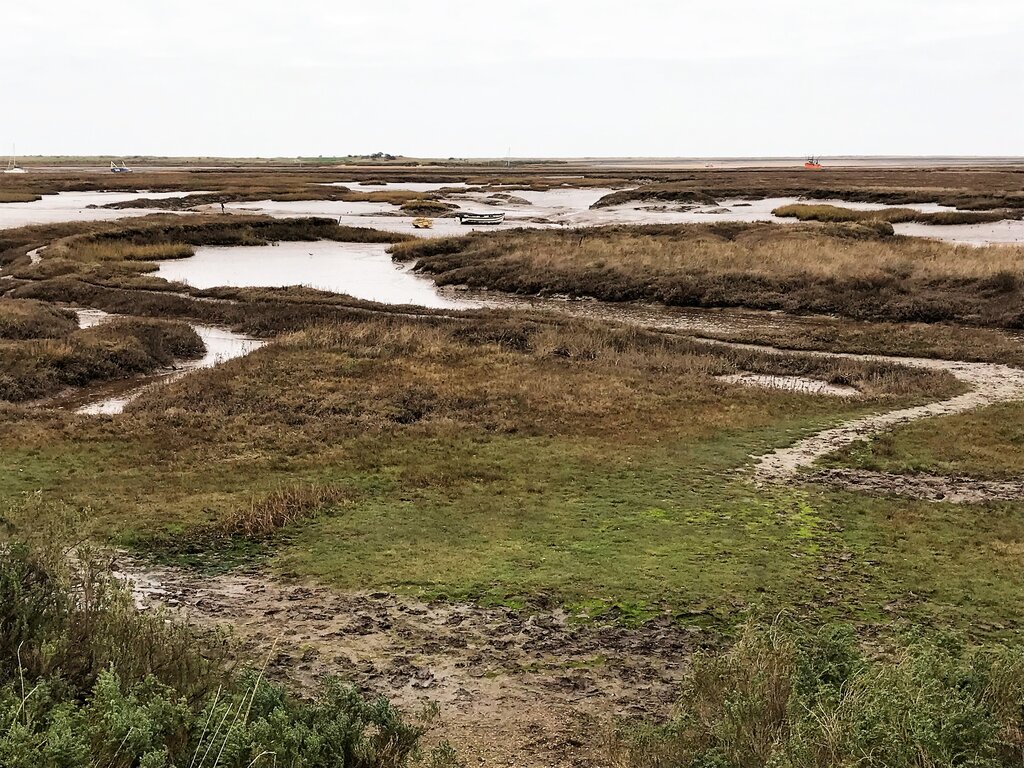
Saltwater habitats are vast and dynamic, ranging from shallow coastal marshes to the deep offshore ocean. Unlike most freshwater systems, they are defined by their salinity and constant motion from tides and currents. These environments are often interconnected, with species moving between them at different life stages.
Coastal and inshore areas, like estuaries, salt marshes, and mangroves, are nurseries for many species. Their shallow, nutrient-rich waters provide food and protection for juvenile fish. Further out, nearshore waters over the continental shelf host a different array of species. Beyond the shelf, the deep, open ocean of the offshore zone is a world of its own, home to large migratory fish like tuna and marlin.
The Salinity Factor
The most fundamental difference between these two worlds is the amount of dissolved salt in the water. This single factor has a massive impact on which species can survive where.
Salinity
noun
The concentration of dissolved salts in a body of water, usually measured in parts per thousand (ppt).
Salinity affects a fish's ability to regulate its internal water balance, a process called osmoregulation. Freshwater fish live in an environment less salty than their bodies, so they constantly absorb water and must excrete it. Saltwater fish are in an environment saltier than their bodies, so they lose water and must drink seawater to stay hydrated, excreting the excess salt.
Because of this physiological challenge, most fish are specialized for one environment. These are known as stenohaline species. A largemouth bass is a classic freshwater stenohaline fish, while a bluefin tuna is a saltwater one. A few remarkable species, called euryhaline fish, can tolerate a wide range of salinities. Salmon are a famous example, being born in freshwater, migrating to the ocean to mature, and returning to freshwater to spawn.
Water salinity, rain, types of algae, surrounding marsh, and tidal flows impact the flavor of oysters.
Tides and Currents
While currents are important in rivers, the gravitational pull of the moon and sun creates a much larger-scale water movement in saltwater: the tides. Tides create currents that are the lifeblood of coastal ecosystems, and successful saltwater anglers live by the tide chart.
A rising or falling tide creates water movement that stirs up bait and triggers feeding activity. Fish often position themselves along structure where tidal currents concentrate food. For example, a flounder might lie on the down-current side of an oyster bar, waiting to ambush prey being swept past.
This pattern holds true for all sorts of saltwater environments. Whether it's water flowing out of a salt marsh creek or a current sweeping past an offshore reef, moving water means feeding fish. The key is understanding how specific tides and currents affect the structure you're fishing.
Ready to test your knowledge on these different fishing environments?
An angler is fishing a small, still pond with no noticeable current. Which type of freshwater environment is this?
What is the primary physiological challenge that determines whether a fish can live in freshwater or saltwater?
Mastering the nuances of each environment is a lifelong pursuit, but understanding these core differences in habitat, salinity, and water movement provides the foundation for success.