Mastering the Art of First Impressions
Advanced Non-Verbal Communication
Beyond the Basics
You already know that posture and eye contact matter. But the real story of non-verbal communication is told in fleeting moments and subtle signals most people miss. These are the involuntary, split-second reactions that reveal what someone is truly thinking or feeling, regardless of the words they use. Learning to spot these clues gives you a much deeper understanding of any interaction.
The Telltale Flash
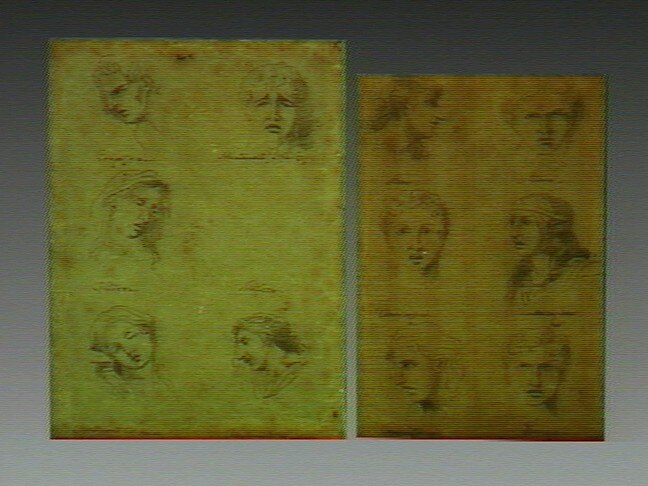
The most powerful of these signals are called s. These are involuntary facial expressions that last for only a fraction of a second, revealing a person's genuine emotion. They occur so quickly that people aren't even aware they're making them, which means they can't be faked.
| Expression | Key Indicators |
|---|---|
| Disgust | Nose wrinkled, upper lip raised. |
| Anger | Eyebrows down and together, eyes glaring, lips narrowed. |
| Fear | Eyebrows raised and pulled together, upper eyelids raised, mouth open slightly. |
| Sadness | Inner corners of eyebrows drawn up, corners of the lips drawn down. |
| Happiness | Crow's feet wrinkles, pushed up cheeks, muscle movement around the eye. |
| Surprise | Eyebrows raised, eyes widened, mouth open. |
| Contempt | One corner of the mouth raised in a smirk. |
Recognizing these allows you to gauge someone's true reaction to a proposal, a statement, or a question. For example, you might see a flash of fear before they express confidence, or a flicker of disgust when they claim to agree with you. This data is invaluable for adjusting your approach in real-time.
When Signals Contradict
When someone's body language contradicts their words, this is known as non-verbal 'leakage.' It’s the truth slipping out through their physiology. Someone might say, "I'm open to that idea," while subtly shaking their head no or crossing their arms. The non-verbal signal is almost always the more honest of the two.
If the words say 'yes' but the body says 'no,' believe the body.
Other subtle cues can be just as revealing. Keep an eye on a person's blink rate. A sudden increase can signal anxiety or stress. Similarly, watch their s. While difficult to spot without intense focus, pupils dilate when someone is interested or experiencing a high cognitive load, and constrict when they are uninterested or disengaged.
Synchronization and Space
Reading others is only half the equation. The other half is managing your own signals to project authentic authority and warmth. One powerful technique is synchronization, often called mirroring. This involves subtly matching someone's posture, gestures, or speech tempo to create a feeling of rapport and connection. The key is to be subtle; you're not mimicking them, you're aligning with them.
Finally, advanced spatial awareness, or proxemicss, plays a critical role. The amount of personal space people are comfortable with varies by culture and individual. Consciously managing your distance can be a powerful tool. Leaning in slightly can show engagement and build warmth. Conversely, maintaining a bit more distance can project authority and give the other person room to think. By observing their subtle shifts in posture, you can tell if you're too close or too far and adjust accordingly.
Time to see how well you can spot these subtle signals.
What is the key characteristic of a micro-expression?
When a person says, "I'm completely on board with that idea," while subtly shaking their head, this contradiction is known as __________.