Mastering the Art of Fire Breathing
Introduction to Fire Breathing
The Art of Fire Breathing
Fire breathing is the art of creating a large plume of fire by exhaling a fine mist of fuel over an open flame. It's a dramatic performance skill that has captivated audiences for centuries, appearing in cultural ceremonies, religious rituals, and modern circuses.
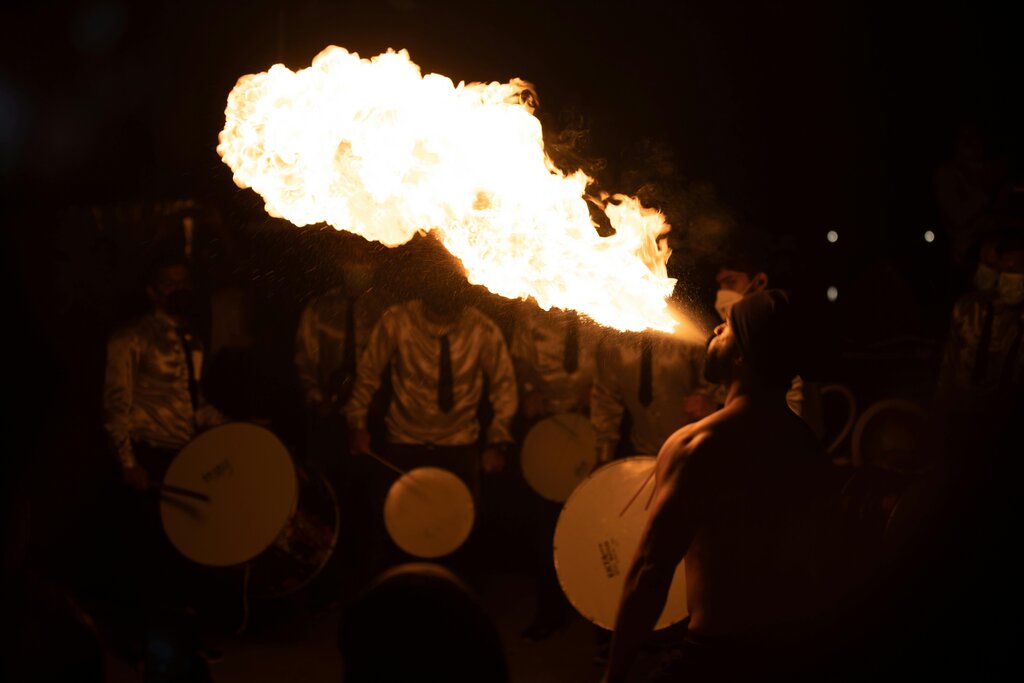
The practice isn't new. It has roots in various ancient traditions, often used to signify power, spirituality, or to ward off evil spirits. In India, performers have used this skill for centuries. Today, it's a staple in circus acts, sideshows, and festivals around the world, blending ancient mystique with modern showmanship.
How It Works
Fire breathing relies on the same principle as any fire: the fire triangle. You need heat, fuel, and an oxidizing agent (usually oxygen from the air). In this case, the performer provides the fuel, a torch provides the heat, and the surrounding air provides the oxygen.
The key is atomization. The performer doesn't just spit a stream of liquid. They expel a fine, vaporous mist of fuel. Think of a spray bottle. A single squirt of water won't do much, but a fine mist covers a wide area. This mist has a huge surface area, allowing it to mix with oxygen and ignite rapidly and spectacularly when it passes over the torch.
The finer the fuel mist, the larger and more impressive the plume of fire.
A Serious Warning
Fire breathing is extremely dangerous. It is not a trick to be taken lightly or learned from a brief article. The risks are severe and can be life-threatening. They include:
- External burns: Wind can change direction unexpectedly, blowing the flame back onto the performer or nearby people and objects.
- Internal burns: Accidentally inhaling the flame can cause catastrophic damage to the mouth, throat, and lungs.
- Poisoning: Many fuels are toxic. Ingesting even small amounts can lead to serious health issues, including a condition known as fire-eater's pneumonia.
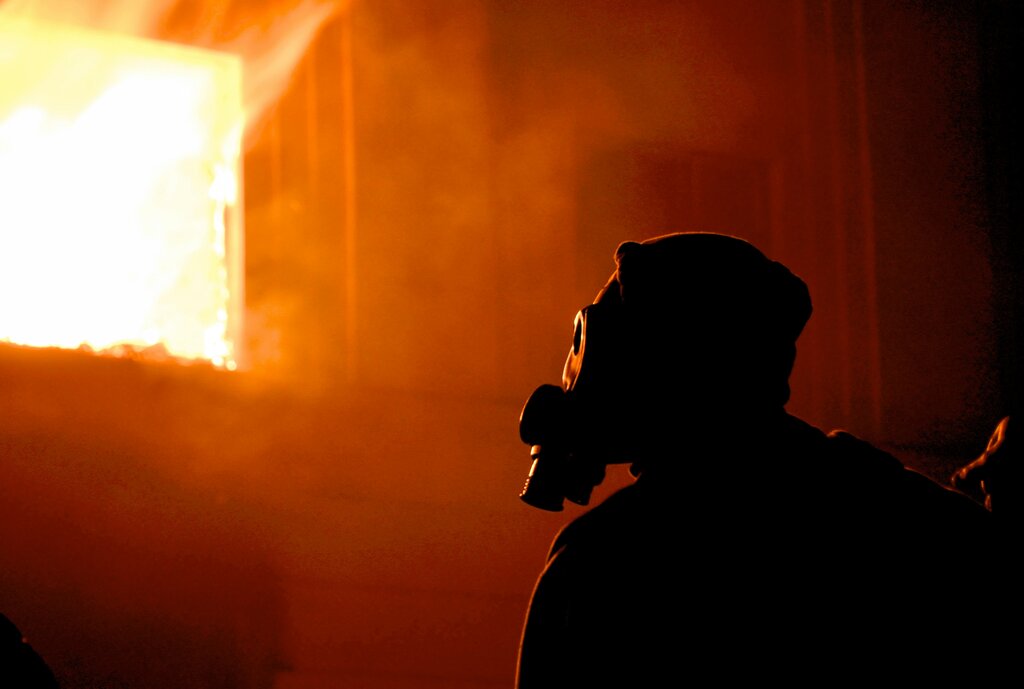
Understanding these dangers is the first and most critical step. The thrill of the performance is built on a foundation of rigorous safety, extensive practice, and a deep respect for the power of fire.
In the context of fire breathing, what component of the fire triangle does the performer directly supply?
What is the key physical principle that allows a fire breather to turn a liquid into a large, flammable plume?