Mastering the Art of Driving
Vehicle Controls
Before You Move
Your first step inside a car isn't to start the engine. It's to make the car fit you. Proper positioning ensures you have full control and visibility before you even think about driving.
Start with your seat. You should be able to press the brake pedal fully to the floor without stretching your leg. Your back should be upright and firmly against the seatback. This posture isn't just for comfort; it gives you the leverage you need to control the pedals and wheel effectively.
Next, adjust your mirrors. The rearview mirror should frame the entire rear window. For your side mirrors, lean your head to the left until it nearly touches the driver's side window, then adjust that mirror so you can just see the side of your car. Do the same on the right side. This technique minimizes blind spots, which are the areas around your car you can't see in your mirrors.
The Main Controls
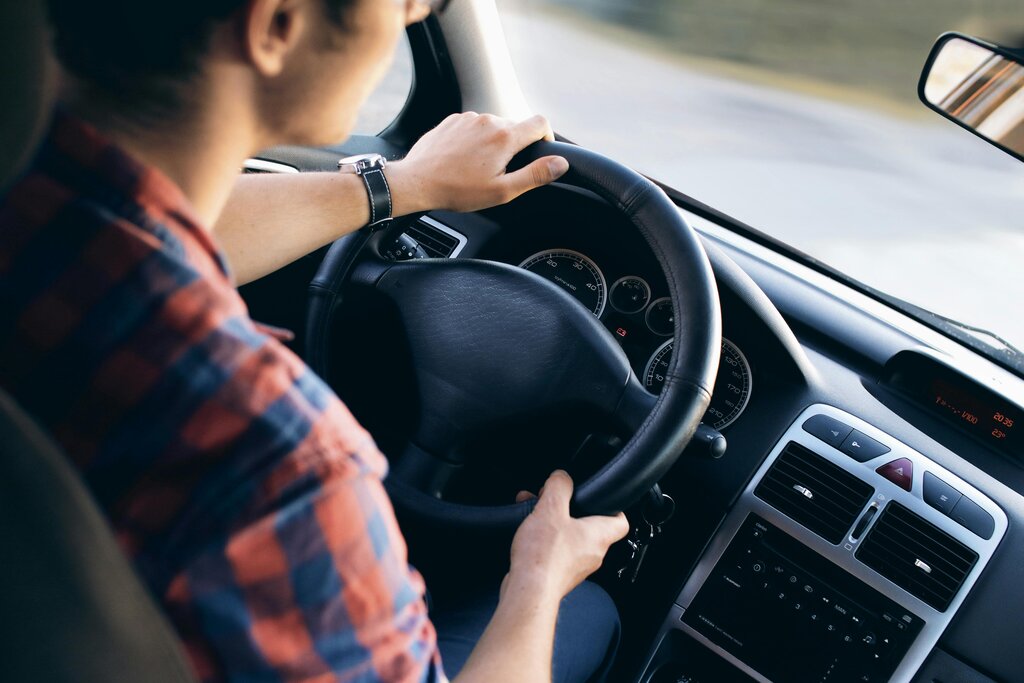
Three controls do most of the work: the steering wheel, the accelerator, and the brake.
The steering wheel guides the car. Hold it with both hands, imagining a clock face. Your hands should be at the 9 and 3 o'clock positions. This grip gives you the most control for quick and smooth turns. Small movements of the wheel create large movements of the car, so always steer gently.
The two main pedals are for starting and stopping. The accelerator, or gas pedal, is on the right. The more you press it, the faster you'll go. The brake pedal is to its left. It slows and stops the car. Both pedals are sensitive. Think of them like a light dimmer, not a simple on/off switch. Apply gentle, steady pressure for smooth control.
Always use your right foot for both the accelerator and the brake. This prevents you from accidentally pressing both at the same time.
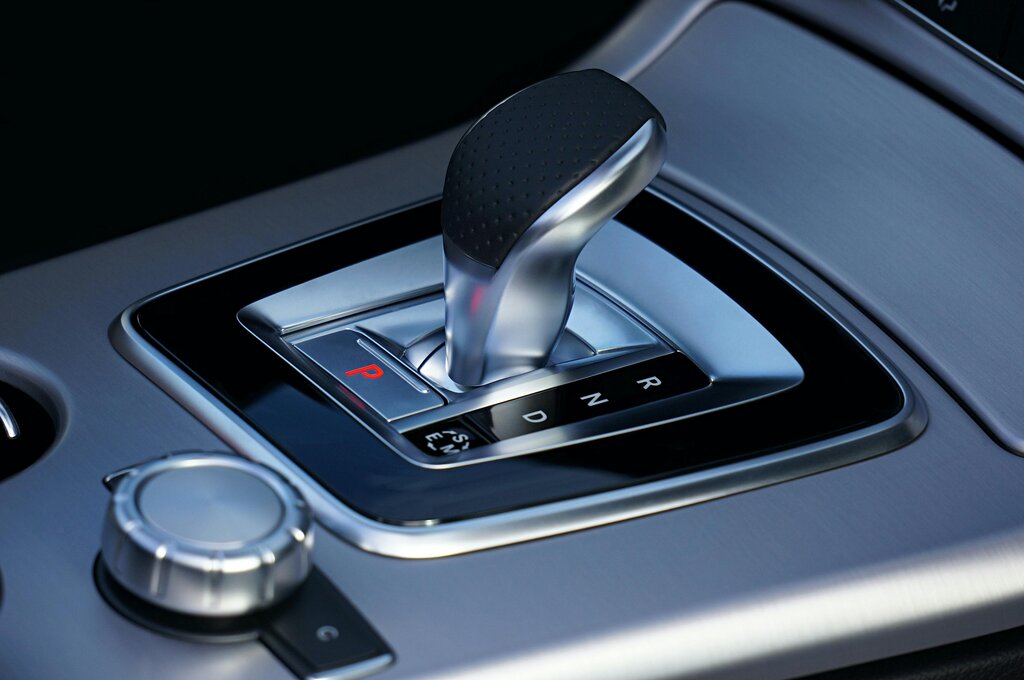
The gear selector tells the car whether to move forward, backward, or not at all. In most automatic cars, you'll see a few letters:
- P (Park): This locks the transmission. Use it when you are finished driving.
- R (Reverse): This makes the car move backward.
- N (Neutral): This disconnects the engine from the wheels. The car can still roll freely.
- D (Drive): This is for moving forward. The car will automatically shift gears as needed.
Seeing and Signaling
Communicating with other drivers and seeing clearly are critical for safety. You'll use a few simple controls for this.
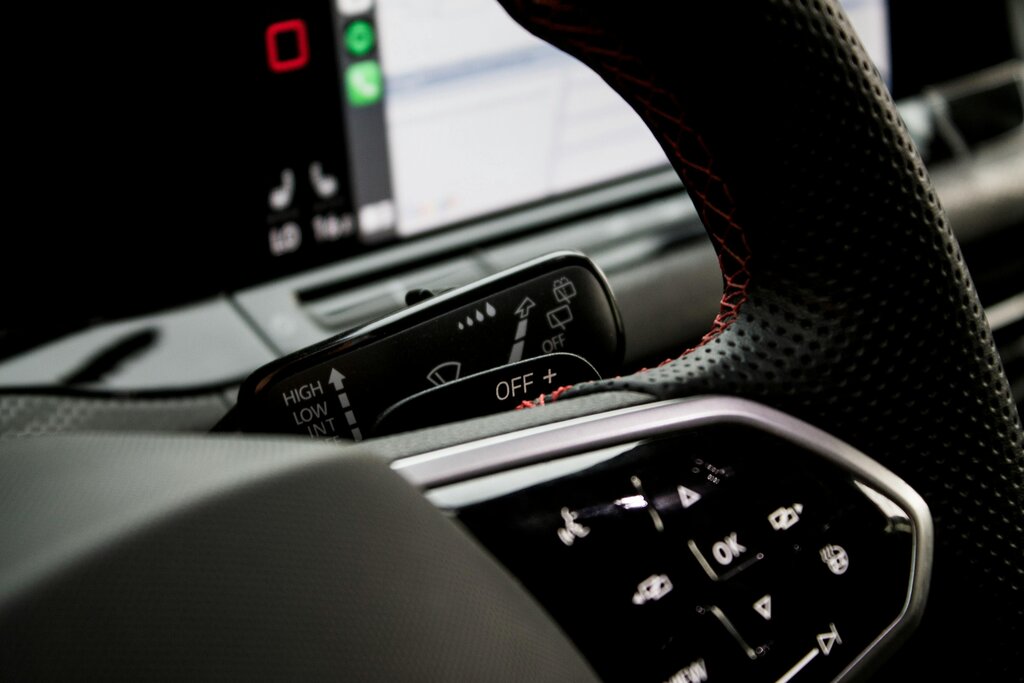
The turn signal is a lever on the side of your steering column. Push it up to signal a right turn, and down to signal a left turn. It should click off automatically after you complete the turn. This is your primary way of telling other drivers what you intend to do.
Your headlights are usually controlled by a knob or switch on the dashboard or on the same lever as your turn signal. They help you see at night and in bad weather, and just as importantly, they help others see you. Most modern cars have an 'Auto' setting that turns them on automatically when it gets dark.
For rain or snow, you'll need your windshield wipers. The control is typically another lever on the steering column, opposite the turn signal. It has different settings for speed, from a slow, intermittent wipe to a fast, continuous one.
Reading the Dashboard
The dashboard, or instrument panel, gives you a constant stream of information about your vehicle's status. While it can look complex, you only need to monitor a few key indicators regularly.
| Indicator | What It Means |
|---|---|
| Speedometer | Shows your current speed in miles or kilometers per hour. |
| Tachometer | Measures the engine's speed in revolutions per minute (RPM). In an automatic car, you don't need to watch this closely. |
| Fuel Gauge | Shows how much fuel is left in the tank. The 'F' means full, and the 'E' means empty. |
| Temperature Gauge | Monitors the engine's temperature. If the needle moves into the red (H), your engine is overheating and you should pull over safely. |
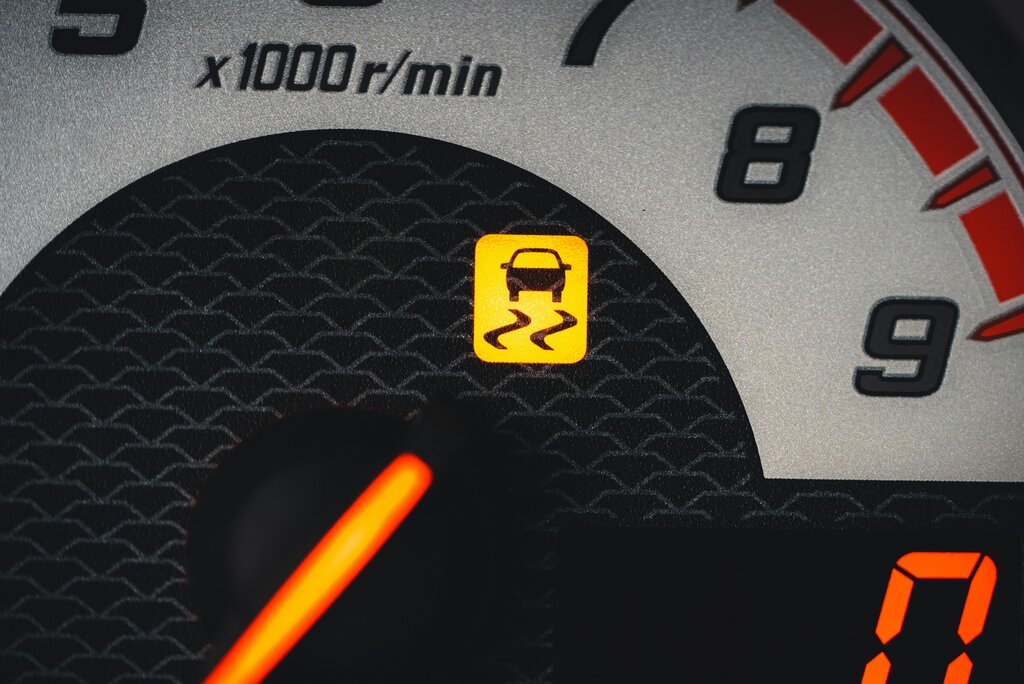
| Warning Lights | These lights illuminate to signal a problem. Common ones include the check engine light, oil pressure light, and battery light. If one comes on, consult your vehicle's manual. |
Now that you're familiar with the controls, it's time to check your understanding.
What is the primary reason for adjusting your driver's seat correctly before you start driving?
When setting your side mirrors to minimize blind spots, you should adjust them so that the side of your own car is...
Knowing these controls is the first step toward becoming a confident and safe driver. Each one has a specific job in helping you operate your vehicle smoothly and predictably.