Mastering the Art of Direct Support
Ethical Decision Making
Beyond the Rules
You already know the National Alliance for Direct Support Professionals (NADSP) Code of Ethics. You know the importance of person-centered practices, promoting physical and emotional well-being, and maintaining confidentiality. But knowing the code is different from using it when things get complicated.
Real-world situations are rarely straightforward. Sometimes, the core tenets of the Code can seem to pull you in opposite directions. This is where your professional judgment comes in. The Code of Ethics isn't just a list of rules to follow; it's a compass to help you navigate the complex, human moments at the heart of your work.
The Dignity of Risk
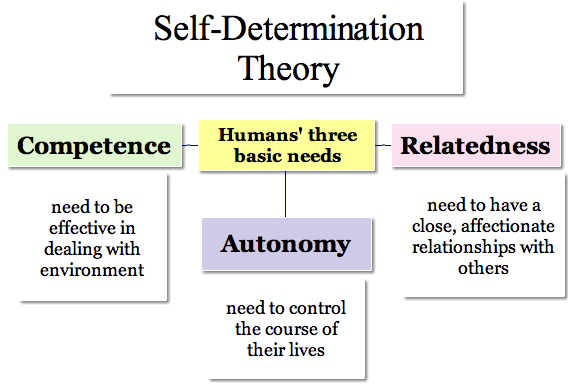
A fundamental part of supporting someone is respecting their right to self-determination. This goes beyond letting people choose what they want for dinner or what to watch on TV. It means honoring their right to make choices that might involve failure or mistakes. This is the core of a powerful concept in our field.
Dignity of Risk
noun
The right of every individual to make their own choices and take risks that are a normal part of life, even if those choices could lead to failure or negative consequences. It is essential for learning, growth, and self-respect.
Think about how you learned most of your important life lessons. Often, it was by trying something and not getting it right the first time. Taking risks is how we grow. Denying people this opportunity, even with the best intentions of keeping them safe, can inadvertently limit their potential and undermine their autonomy.
Your role isn't to eliminate all risk. It's to ensure the person makes an informed choice. This means talking through the potential outcomes, both good and bad, so they understand the decision they're making. It's the difference between saying, "No, that's not safe," and asking, "Let's talk about what could happen if we try this. What's our plan if things don't go as we expect?" This collaborative approach respects their right to choose while still providing crucial support.
When Ethical Tenets Collide
The toughest challenges arise when your ethical responsibilities conflict. What do you do when a person's desire for privacy clashes with your duty to promote their health? Or when their right to self-determination leads them toward a decision you believe is harmful?
Consider this scenario: A person you support, Maria, tells you in confidence that she has started a new romantic relationship. Later, you notice bruises on her arm that she dismisses as clumsiness. The NADSP Code of Ethics calls on you to maintain confidentiality. It also requires you to safeguard the people you support.
Here, two tenets are in tension:
- Person-Centered Supports: Respecting Maria's choices and relationships.
- Promoting Health and Wellness: Ensuring her safety and well-being.
There is no easy answer. This is not about breaking confidentiality on a whim. It’s about navigating a dilemma. Your first step is to talk with Maria, expressing your concern from a place of support, not accusation. You might say, "I've noticed some bruises, and I'm concerned about you. Your safety is important to me." Your goal is to empower her, provide resources, and help her make an informed decision about her own safety, while following your organization's mandatory reporting policies.
Resolving ethical dilemmas rarely involves a single right answer. It requires thoughtful consideration, consultation, and prioritizing the person's long-term well-being and autonomy.
It's also vital to separate your personal values from your professional ethics. You might personally believe Maria's relationship is a bad idea. Your personal feelings, however, are not the basis for professional action. Your guide is the Code of Ethics and a commitment to Maria's right to make her own choices. Your role is to be a supportive ally and a protective advocate, guided by professional principles, not personal judgment.
Supporting Complex Needs
The principle of self-determination applies to everyone, regardless of the complexity of their support needs. For individuals with significant communication barriers or cognitive challenges, upholding this principle requires creativity, patience, and deep respect.
It means looking beyond words. What is the person's behavior communicating? Are they showing excitement, anxiety, or resistance? It means using adaptive communication tools, observing body language, and collaborating with their entire support network—family, therapists, and friends—to better understand their preferences and goals.
Advocacy becomes a key part of your role. You may need to advocate for someone's choice even when others doubt their capacity to make it. This involves carefully documenting their expressed preferences over time and ensuring their voice, however it is expressed, remains the primary driver of all support activities.
Ready to test your understanding? This quiz will cover scenarios where you'll need to apply the NADSP Code of Ethics.
When a person you support expresses a desire to try something that involves a reasonable level of risk, what is the direct support professional's primary responsibility?
A person you support, Maria, confides in you about a new relationship. Later, you notice bruises she attributes to clumsiness. According to the text, which two ethical principles are in tension in this scenario?
Navigating ethical dilemmas is one of the most challenging and rewarding aspects of being a DSP. It moves your practice from a set of tasks to a professional discipline grounded in respect and human dignity.