Mastering the Art of Cross Stitch
Cross-Stitch Materials
Choosing Your Canvas
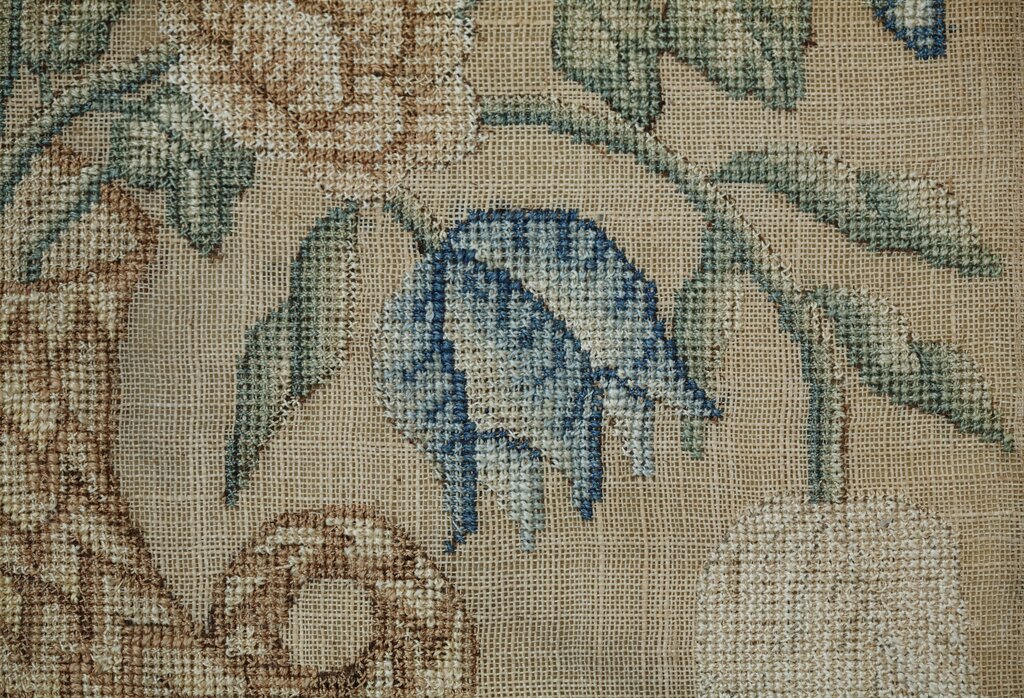
Every cross-stitch project begins with fabric. This is the grid that guides your stitches and brings your design to life. The most common choice for beginners is Aida cloth, and for good reason. It’s woven with a system of holes that makes it easy to create neat, uniform stitches.
Aida cloth
noun
A stiff cotton fabric woven with an easy-to-see grid of holes, specifically designed for cross-stitch.
Aida comes in different “counts,” like 11, 14, 16, or 18. This number refers to how many squares, or potential stitches, fit into one inch of fabric. A lower count, like 11, means bigger squares and a larger final design. A higher count, like 18, means smaller squares, allowing for more detailed work.
As you get more comfortable, you might try other fabrics like linen or evenweave. Unlike Aida’s blocky grid, these have a higher thread count and a smoother finish. When using them, you typically stitch over two threads of the fabric for each cross-stitch. This creates a similar look to stitching on Aida but on a more traditional-looking textile.
Painting with Thread
Embroidery floss is the colorful thread that forms your design. It’s usually sold in small bundles called skeins. Most floss is made of six individual strands of cotton thread twisted together. For most cross-stitch projects, you’ll only use two or three of these strands at a time. To separate them, find one end of a cut piece, and gently pull a single strand straight up and out from the others.
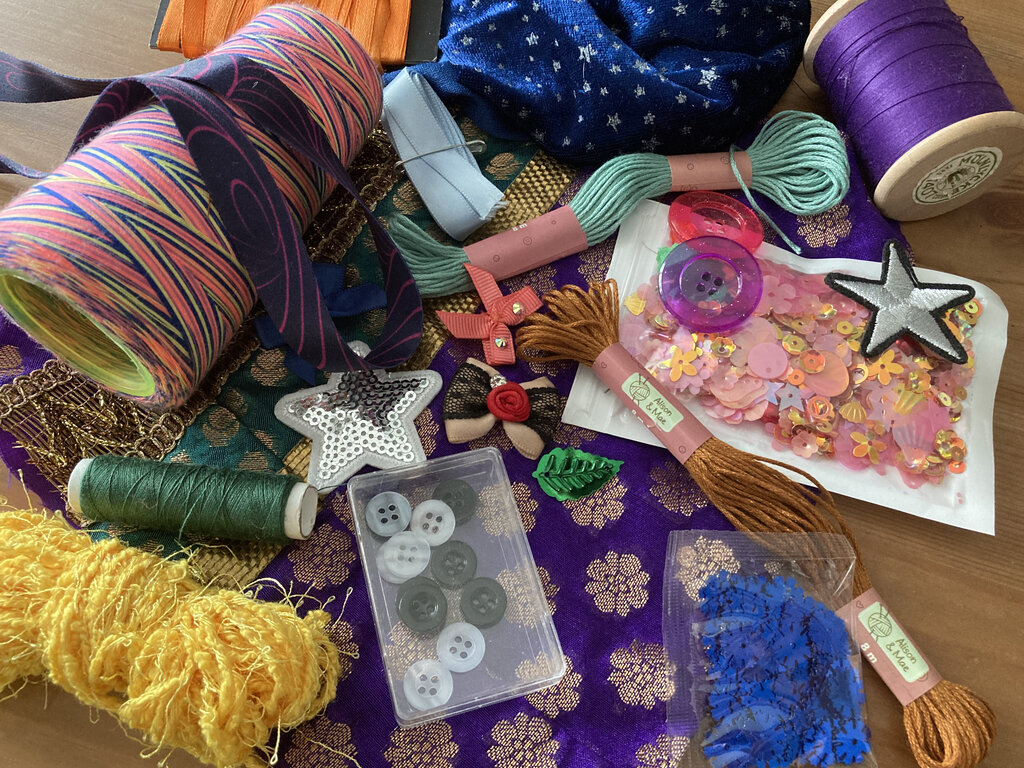
Each skein of floss has a number on its label. This is the color code, which is crucial for following a pattern. Brands like DMC and Anchor have their own numbering systems. When you start a project, make sure you have all the required colors. Different batches of the same color can have slight variations, so it's a good idea to buy all the thread you need for a project at once.
A project's color key might list DMC 310. That means you need to find the skein of DMC brand floss with the number 310 on its paper band, which is always black.
The Right Tools for the Job
Besides fabric and floss, you only need a few simple tools to get started.
First is the needle. Cross-stitch uses a special kind of needle called a tapestry needle. Unlike sharp sewing needles, tapestry needles have a blunt tip and a large eye. The blunt tip is designed to pass through the holes in the fabric without splitting the threads, while the large eye makes it easier to thread with multiple strands of floss.
Starting with simple stitches like running stitch and backstitch, then practicing them consistently in short sessions, builds the foundation you need before tackling complex techniques.
Tapestry needles come in different sizes. The size you need depends on your fabric count. A good rule of thumb is:
- Size 22 needle for 11-count Aida
- Size 24 needle for 14-count Aida
- Size 26 needle for 16 and 18-count Aida
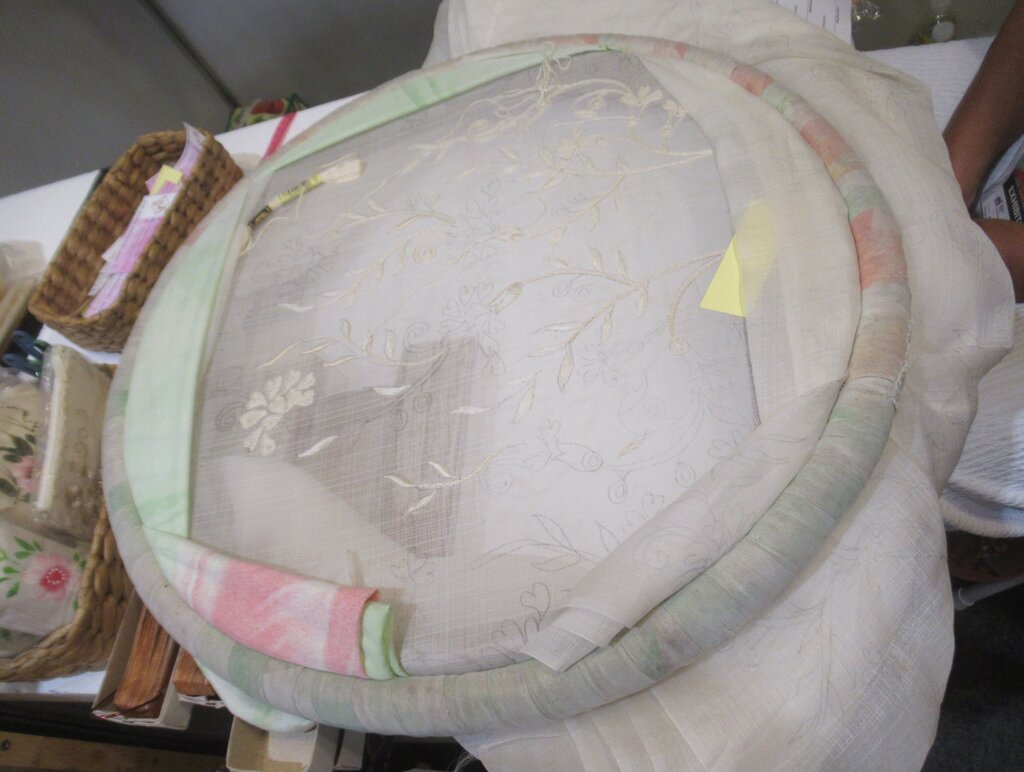
Next, you’ll want an embroidery hoop or frame. These hold your fabric taut while you stitch. This tension helps you make even, consistent stitches and prevents the fabric from puckering. Hoops are typically circular and made of wood or plastic. For larger projects, a rectangular frame might be more comfortable.
Finally, you’ll need a good pair of small, sharp scissors for snipping thread. A needle threader can also be helpful, especially when working with smaller needles or if you find threading difficult.
Getting Everything Ready
Before you make your first stitch, a little preparation goes a long way. First, cut your fabric to the right size. Your pattern should tell you the dimensions of the finished design. Always add at least three extra inches to each side. This leaves room for the hoop and makes framing easier later on.
The cut edges of Aida cloth can fray easily. To prevent this, you can run a line of masking tape along the edges or use a sewing machine to create a simple zigzag stitch around the border.
Organizing your floss is also key. Winding your floss onto small plastic or cardboard bobbins keeps it from getting tangled. Be sure to write the color number on each bobbin. Storing them in a small organizer box makes finding the right color quick and easy.
| Item | Purpose |
|---|---|
| Fabric (Aida, Linen) | The foundation grid for your stitches. |
| Embroidery Floss | The colored thread used to create the design. |
| Tapestry Needle | A blunt-tipped needle for passing through fabric holes. |
| Embroidery Hoop | Holds the fabric taut for even stitching. |
| Scissors | For cutting floss and fabric. |
With these materials gathered and prepared, you're ready to start your cross-stitch journey.