Mastering the Art of Comic Creation
Narrative Scripting
The Script as Blueprint
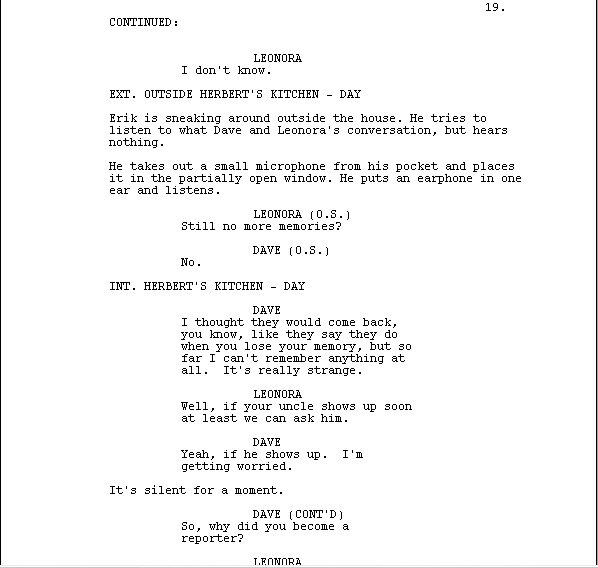
A comic script isn't a novel. It's a technical document, a set of instructions from the writer to the artist. Clarity is everything. While there's no single, legally enforced format, a professional standard has emerged that ensures the artist knows exactly what to draw, panel by panel.
The core components are simple: page numbers, panel numbers, descriptions, and dialogue. Each element is clearly labelled to avoid confusion. Think of yourself as a director setting a scene. You need to provide the artist with all the necessary information—camera angle, character actions, expressions, setting—without overwriting their creative input.
PAGE ONE

PANEL 1
Close on a steaming mug of coffee on a cluttered desk. Rain streaks down a nearby window. We're in a detective's office, late at night.

CAPTION
Tuesday. Or maybe Wednesday. The days were starting to blur.

PANEL 2
The door opens. A tall woman in a trench coat stands silhouetted in the doorway. She's dripping wet.

WOMAN
Are you Detective Miles?

MILES (O.S.)
The one and only. Don't drip on the carpet.
This format is clean and unambiguous. The artist knows exactly what happens on page one, panel by panel. O.S. stands for 'off-screen', indicating a character is speaking but not visible in the panel. CAPTION is used for narration boxes.
Show, Don't Tell
The most common mistake new comic writers make is forgetting they are writing for a visual medium. You have an artist to do the heavy lifting. The golden rule is 'show, don't tell'. If the art can show it, the text shouldn't say it. This creates a powerful synergy where words and pictures work together, rather than repeating each other.
Avoid dialogue like, "Look out, he has a knife!" when the reader can clearly see the character holding a knife. Instead, the dialogue should convey something new, like the character's reaction: "Not again..."
Your script's descriptions should focus on conveying the emotion and key action of the scene. What is the most important piece of information the reader needs to get from this panel? A character's fear isn't communicated by writing CHARACTER (scared): Help! but by describing their wide eyes, trembling hands, and the bead of sweat on their forehead. The dialogue then adds another layer, not states the obvious.
Pacing and the Page Turn
In comics, pacing is controlled by the number of panels on a page and the physical act of turning it. Each panel is a single beat in the story. A page full of small panels slows the reader down, forcing them to process a sequence of small moments. A single, full-page 'splash' panel creates a massive, impactful beat that stops the reader in their tracks.
The most powerful tool in your pacing arsenal is the page turn. A reader can see everything on a two-page spread, but they have no idea what's on the next page. This is your opportunity to build suspense and deliver a surprise. Always structure your script so that significant reveals, plot twists, or the appearance of a villain happens on a new page, ideally the top of a right-hand page (the first thing a reader sees after the turn). A quiet scene should end on the bottom of a left-hand page, building anticipation for what comes next.
Balancing Words and Pictures
A comic is a marriage of text and art. If one overwhelms the other, the marriage fails. A page cluttered with text bubbles is hard to read and suffocates the artwork. A common guideline is to keep dialogue to around 25 words per bubble, and no more than two bubbles per character in a single panel. The total word count for a standard 22-page comic is often compared to a short story, not a novel.
The layout of your panels also dictates the balance and flow. More panels mean faster pacing and more beats, but less room for detail in each image. Fewer panels slow things down, allowing for cinematic, wide shots.
| Panel Layout | Pacing Effect | Best Use Case |
|---|---|---|
| Splash Page (1 Panel) | Halts the action | Major reveals, establishing shots, dramatic moments |
| 2-4 Panels | Slow, deliberate | Conversations, focusing on character emotion |
| 5-7 Panels | Standard pace | Most common layout for balancing action and dialogue |
| 8+ Panels (Grid) | Fast, compressed | Quick action sequences, montages, showing detailed processes |
As the writer, you suggest the panel layout in your script (PAGE ONE, 4 PANELS). This tells the artist how you envision the page's rhythm. It's a suggestion, and the artist may adapt it, but it provides the essential blueprint for the story's flow.
Now, let's test your understanding of how to build this blueprint.
What is the primary function of a comic book script?
In a comic script, what does the abbreviation 'O.S.' signify?
Mastering the comic script is about learning to think visually. It's a unique form of writing that sits between a novel and a screenplay, requiring both literary skill and a director's eye.