Mastering the Art of Coffee Brewing
Coffee Beans and Freshness
It Starts with the Bean
The secret to a great cup of coffee isn't a fancy machine or a complicated technique. It's the bean itself. Think of coffee beans like grapes for wine. Their flavor is a direct result of where and how they're grown. This concept, known as terroir, covers everything from the soil composition and altitude to the climate and rainfall of a specific region.
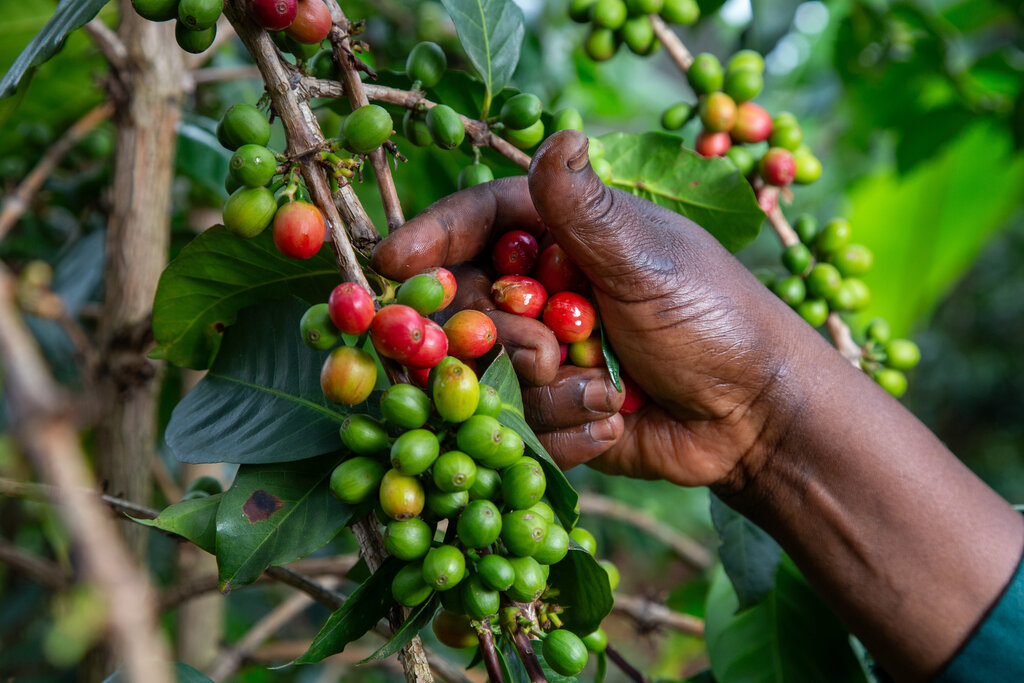
For example, beans from Ethiopia often have bright, floral, and tea-like notes. Coffees from Latin American countries like Colombia or Guatemala might be more balanced, with hints of chocolate, nuts, and a clean acidity. Beans from Indonesia, on the other hand, tend to be earthy, full-bodied, and complex. At higher altitudes, coffee cherries mature more slowly in cooler temperatures. This slower development leads to denser beans packed with more complex sugars, resulting in deeper and more nuanced flavors in your cup.
Factors such as altitude, soil composition, climate, and rainfall play significant roles in the development of coffee beans with exceptional flavors.
The Art of the Roast
Green, unroasted coffee beans have a grassy smell and almost none of the flavor we associate with coffee. Roasting is the heating process that transforms these raw seeds, unlocking their aromatic oils and complex flavors. The roaster's job is to apply heat carefully, developing the bean's natural characteristics without burning them. How long and how hot the beans are roasted has a huge impact on the final taste.
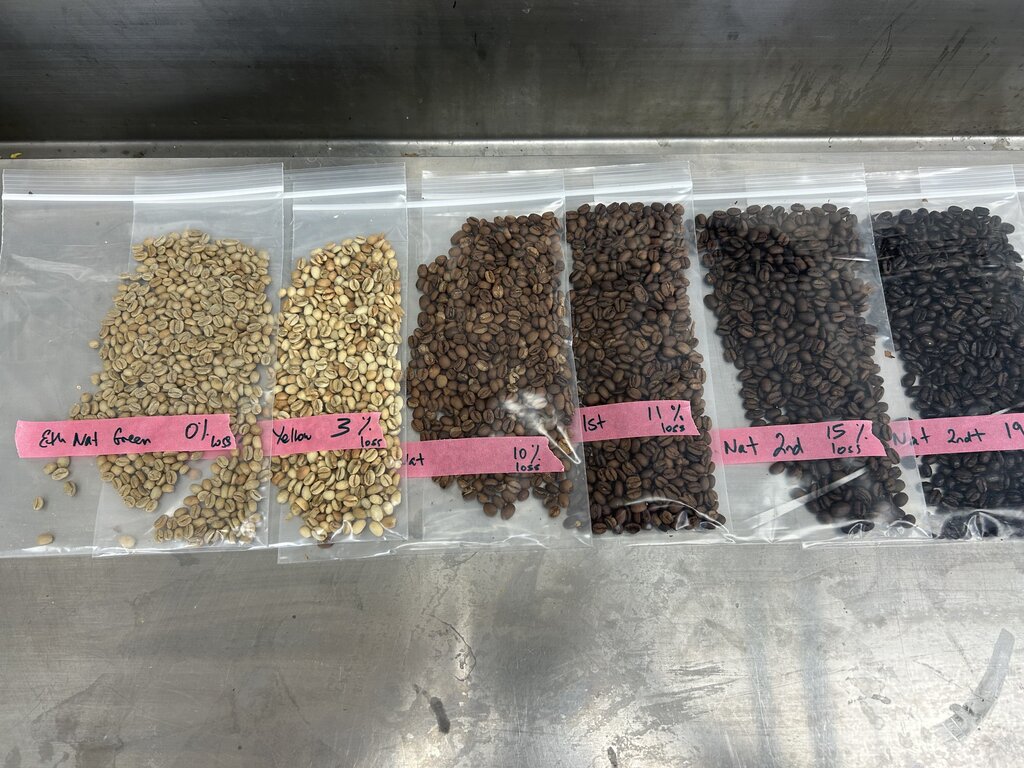
Roast levels are generally categorized as light, medium, and dark. Each level brings out different qualities in the bean.
| Roast Level | Flavor Profile | Characteristics |
|---|---|---|
| Light | Bright, acidic, floral, fruity | Preserves the bean's original flavors. Higher in caffeine. |
| Medium | Balanced, sweet, smooth | A good mix of origin flavors and roasting notes. Most popular style. |
| Dark | Bold, smoky, chocolatey | Roasting flavors dominate. Less acidic and less caffeine. Oily surface. |
A light roast will preserve the delicate, nuanced flavors of a single-origin bean, highlighting its unique terroir. A dark roast, by contrast, creates bold, rich flavors by caramelizing the sugars within the bean, often masking the more subtle origin notes in favor of a classic, smoky coffee taste.
Light roasts preserve the bean’s original flavors and offer bright acidity, while dark roasts deliver bold, smoky flavors with lower acidity.
Keeping it Fresh
Coffee's greatest enemies are oxygen, light, heat, and moisture. Once roasted, coffee beans immediately begin to lose freshness as they release carbon dioxide and their aromatic oils start to degrade. This process is called degassing. While some degassing is necessary right after roasting, prolonged exposure to air will make your coffee taste stale and flat.
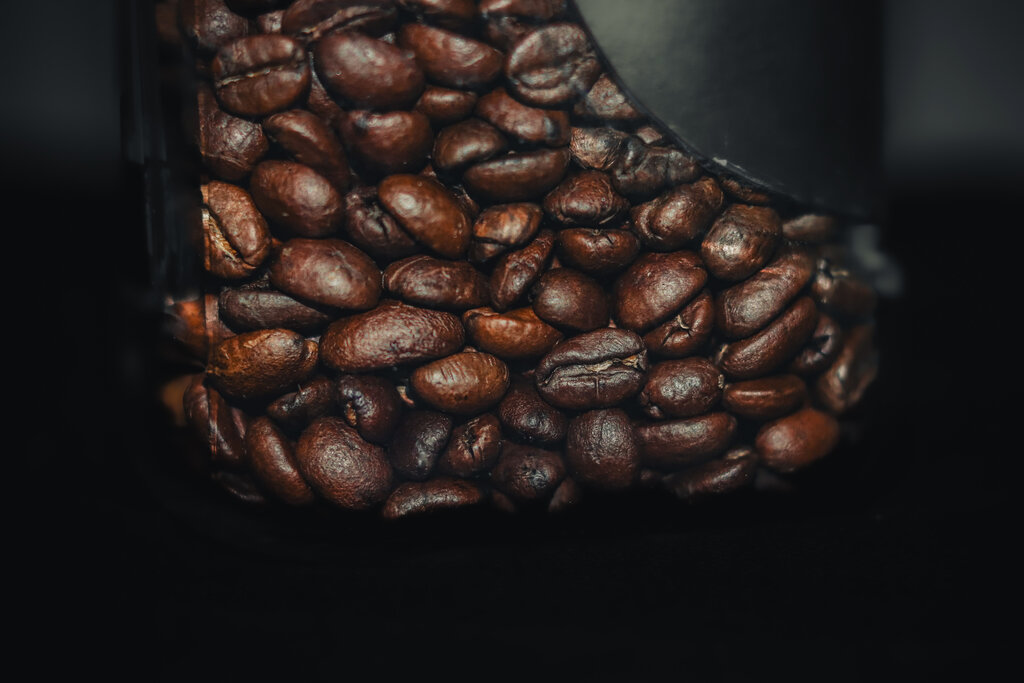
To keep your beans at their best, follow a few simple rules:
- Buy whole beans. Pre-ground coffee goes stale much faster because more of its surface area is exposed to air.
- Store in an airtight container. The bag your coffee comes in is fine for a few days, but a ceramic or glass container with an airtight seal is better for long-term storage.
- Keep it cool and dark. Store your container in a cabinet or pantry, away from direct sunlight and heat sources like your oven.
- Don't refrigerate or freeze. While it seems like a good idea, putting coffee in the fridge or freezer can introduce moisture, which will ruin the beans' flavor.
Coffee reaches its peak flavor just days after it has been roasted and should be consumed within a month of its roast date.
Using freshly roasted coffee makes a world of difference. When you brew fresh beans, the hot water causes them to release trapped CO2, creating a beautiful 'bloom' of bubbles. This is a sign of freshness and is crucial for extracting the full range of complex, delicious flavors from the grounds.
Time to check your knowledge.
The term "terroir" refers to how a coffee bean's flavor is influenced by its:
If you want to taste the delicate, nuanced, and floral notes unique to a coffee's origin, which roast level should you choose?
Understanding your beans is the first and most important step toward a better cup. By choosing beans based on origin and roast level, and by storing them properly, you set the stage for a truly great brew.