Mastering the Art of Biryani
Basmati Rice Chemistry
The Science of Perfect Biryani Rice
The foundation of a truly great Biryani isn't the meat or the masala, but the rice. Each grain must be long, separate, and fragrant, a canvas for the other flavours. Achieving this isn't just art; it's a precise science that begins long before the rice ever touches water.
Why Age Matters
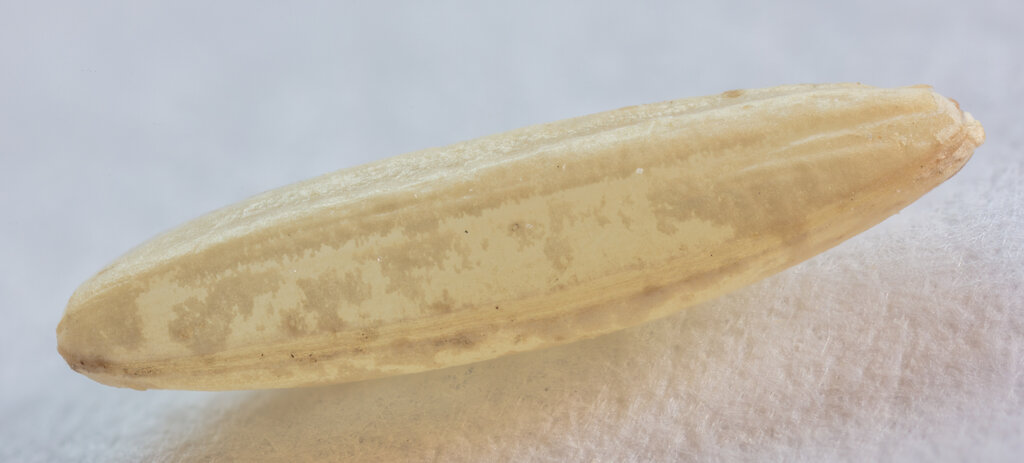
The best Basmati for Biryani is aged, typically for 12 to 24 months. This resting period is crucial. As rice ages, it slowly dries out, its moisture content dropping significantly. This dehydration hardens the grain, making it less prone to breaking during washing and cooking. A harder, drier grain also absorbs water more evenly and efficiently when it's finally time to cook.
But the real magic happens at a molecular level. Rice starch is made of two components: and amylopectin. Basmati has a naturally high proportion of amylose, a straight-chain starch molecule. Amylopectin, on the other hand, is highly branched. When cooked, these branched amylopectin molecules tend to tangle and stick together, creating a gluey texture. The straight chains of amylose, however, remain separate, resulting in the fluffy, distinct grains prized in Biryani. Aging enhances this effect, allowing the starch molecules to firm up, further preventing them from turning to mush.
The Soak and the Boil
With the right rice selected, the next steps are a controlled hydration (soaking) followed by a partial cooking (parboiling).
Soaking Basmati for 30 to 45 minutes is non-negotiable. This allows water to slowly penetrate to the very core of the grain. Without this step, dropping the rice into boiling water would shock it, cooking the outside too quickly while leaving the centre raw. This pre-hydration is the secret to achieving maximum grain elongation during boiling. Be warned, though: over-soaking for several hours can make the grains waterlogged and brittle, causing them to break apart in the pot.
Under-soak and the grain's centre stays hard. Over-soak and it breaks. The sweet spot is 30 to 45 minutes.
The boiling phase is where you cook the rice to about 70 percent doneness. This is known in many parts of India as the stage, where the grain still has a distinct, firm bite. To test for it, press a grain between your thumb and forefinger; it should break into 2 or 3 pieces, not turn to paste. This partial cooking is vital because the rice will finish cooking in the 'dum' phase, steaming with the meat and spices. If you boil it fully now, you'll end up with a porridge-like Biryani later.
Salinity and aromatics in your boiling water are also key. Adding salt to the water doesn't just season the rice; it helps strengthen the grains by drawing out a tiny bit more moisture from the surface, firming them up. This is also your first chance to build flavour. Adding whole spices like cardamom, cloves, cinnamon, and bay leaves to the boiling water infuses the rice with a subtle aromatic base.
| Variable | Recommendation | Why It Matters |
|---|---|---|
| Soaking Time | 30-45 minutes | Ensures even hydration for maximum grain length. |
| Salt in Water | Generously salted | Seasons the grains from within and helps firm them up. |
| Doneness | 70% ('kanni' stage) | Prevents rice from overcooking and getting mushy during 'dum'. |
| Aromatics | Whole spices | Infuses the rice with a foundational layer of flavour. |
Now that you understand the science behind preparing the rice, let's test your knowledge.
What is the primary reason for using aged Basmati rice for Biryani?
The desirable fluffy, separate grains in Biryani are a result of Basmati's high proportion of which starch molecule?
By controlling these variables—aging, soaking, and parboiling—you move from simply cooking rice to engineering the perfect foundation for a world-class Biryani.