Mastering the Art of Bible Study
Bible Study Methodologies
From Reading to Studying
Moving from simply reading the Bible to studying it requires a shift in mindset. It's the difference between hearing a story and asking what the story means. Instead of just letting the words wash over you, you start to engage with them, question them, and let them shape you. This doesn't require a seminary degree, just a bit of structure.
Having a framework helps you look at the text with fresh eyes. It gives you a consistent process for digging deeper and discovering insights you might otherwise miss. Two popular and effective methods are the SOAP method and Inductive Bible Study. They provide clear steps to guide your time in the Word.
Structured Approaches
The SOAP method is a simple and memorable framework for daily devotion and reflection. It's designed to be straightforward, focusing on personal takeaways and connection with God. It breaks down the study process into four clear actions.
| Step | Action | Question to Ask |
|---|---|---|
| Scripture | Write it down | Copy a verse or short passage that stands out to you. |
| Observation | What does it say? | Note key words, repeated ideas, or simple facts in the text. |
| Application | How does it apply? | How can this truth change how I think, act, or believe? |
| Prayer | Talk to God | Turn your reflections into a conversation with God. |
For those looking to go a step further, Inductive Bible Study offers a more analytical approach. This three-part framework guides you from the details of the text to its broader meaning and finally to its personal relevance. It emphasizes letting the text speak for itself before jumping to conclusions about what it means for you today.
You'll notice both methods start with observation. However, the inductive method splits the next step into two distinct phases: interpretation and application. Interpretation is where you become a detective, asking questions about the context. Who wrote this? Who was the original audience? What was happening historically and culturally?
This step prevents us from pulling a verse out of its world and misapplying it to our own. Answering these questions first ensures that our final application is grounded in the author's original intent. It's the difference between asking "What does this mean to me?" and first asking, "What did this mean to them?"
Breadth or Depth?
Once you have a method, you need a plan. The two main approaches are reading for breadth or reading for depth. Think of it like traveling. A breadth-focused trip would be a cross-country road trip, seeing the big picture and how everything connects. A depth-focused trip would be spending two weeks in a single city, learning its culture and neighborhoods inside and out.
Reading for breadth often involves a chronological plan, which rearranges the books of the Bible according to their historical timeline. This helps you see the overarching story of Scripture from beginning to end. Events, characters, and prophecies unfold in the order they happened, which can provide powerful context and clarity to the grand narrative.
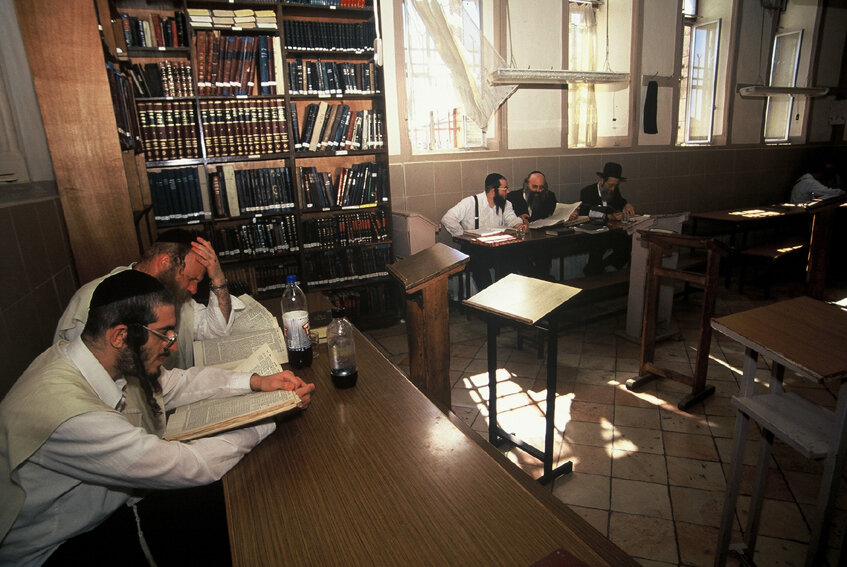
Reading for depth typically means a book-by-book study, following the Bible's traditional or choosing a single book to explore for weeks or even months. This approach allows you to immerse yourself in the author's specific style, themes, and message. You get to know the nuances of Romans or the poetry of Isaiah on their own terms. Most study Bibles and commentaries are organized this way, making it a well-supported path.
There's no right or wrong choice. Many people alternate between them, perhaps reading through the Bible chronologically one year and then spending the next year doing a deep dive into the Gospels.
Connecting Study and Prayer
Structured study isn't meant to replace prayer; it's meant to enrich it. Your study time can fuel your prayer time, giving you new language, deeper understanding, and fresh reasons for praise and petition. Think of it as a cycle. You start with prayer, asking for understanding. You move into study, observing and interpreting the text. Then, you finish with prayer, responding to what you've learned.
This transforms Bible study from an academic exercise into a dynamic conversation. The application step in both the SOAP and Inductive methods flows naturally into prayer. When you ask, "How does this apply to my life?" you are teeing up a conversation with God about your fears, hopes, and daily struggles. Your study gives you the topic; prayer is the dialogue that follows.
Faith and study combine as we prayerfully feast on the scriptures, read and reflect on multiple historical sources, make connections between passages and sources, consider information within proper contexts, look for patterns and themes, and draw out relevant lessons.
Ultimately, the best method and plan are the ones you'll stick with. The goal is consistent engagement with the text, allowing it to inform your mind and transform your heart.