Mastering the Art of Attar Creation
Raw Material Sourcing
The Foundation of Attar
The soul of an attar is not born in the still, but in the field, forest, and soil. While the Deg and Bhapka co-distillation process is an art, its success is entirely dependent on the quality of the raw materials fed into it. A master perfumer is first a master of sourcing, able to discern quality where others see only a plant or a piece of wood.
Everything begins with the base oil, the canvas upon which the botanical's scent is painted. In traditional attar making, the undisputed choice for this base is true sandalwood oil, specifically from the Santalum album tree. Its unique properties make it more than just a carrier; it's an active participant in the fragrance's evolution. The oil's high santalol content acts as a natural fixative, capturing and holding the volatile aromatic compounds from the botanicals, allowing the final attar to mature and deepen over time.
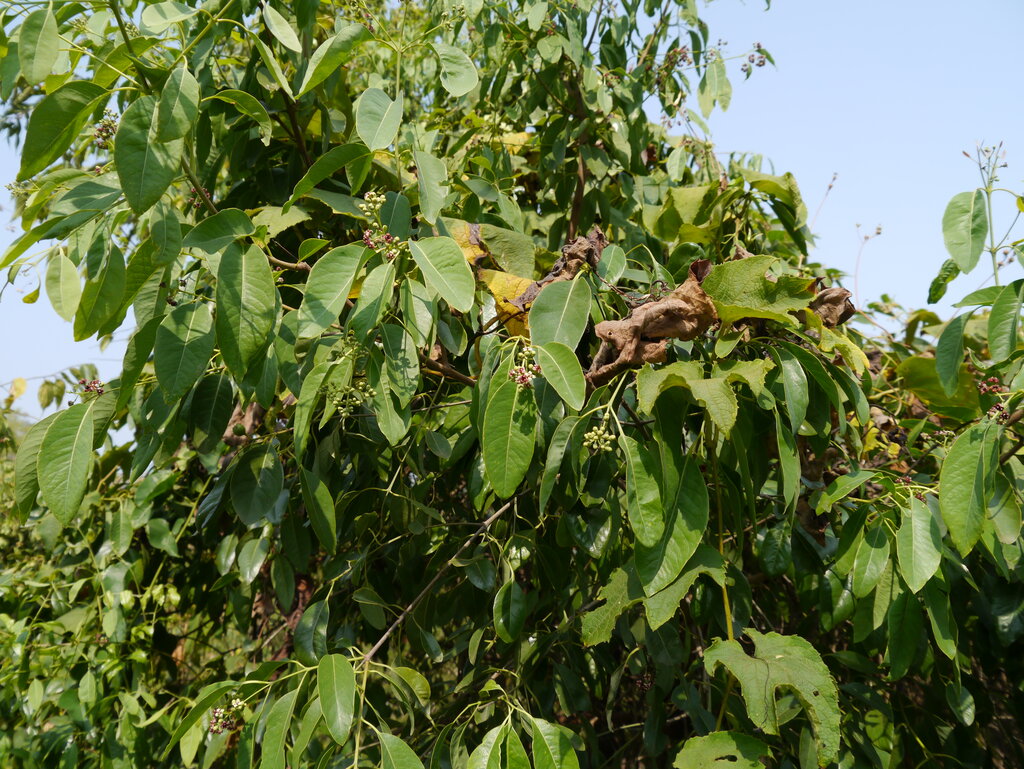
The market is flooded with alternatives, from Australian sandalwood (Santalum spicatum) to synthetic recreations. While these may have a woody scent, they lack the specific santalol isomers and the creamy, complex profile that allows genuine Santalum album to meld so seamlessly with delicate florals and spices. This scarcity and high demand also make it a prime target for adulteration. A common trick is dilution with odorless, less expensive oils like liquid paraffin, mineral oil, or even castor oil. An experienced nose can often detect the thin, greasy character of an adulterated oil, but verifying purity is a constant challenge for the attar wallah.
Harvesting for Scent
Once a quality base is secured, attention turns to the botanicals. Here, timing is everything. The concentration of aromatic compounds in a plant fluctuates dramatically based on the season, time of day, and even weather conditions. Harvesting at the precise peak of fragrance is critical for a high-yield, high-quality distillation.
Consider Jasmine. The flowers of Jasminum sambac (Mogra) are plucked just before dawn, as their fragrance is most potent in the cool, pre-sunrise air. Waiting even a few hours can result in a significant loss of their aromatic essence.
The species of the plant matters immensely. Different varieties of jasmine, for example, have different chemical profiles. The perfumer isn't just seeking a generic "jasmine" scent, but a specific balance of compounds like , which provides a fresh, slightly spicy floral character, and benzyl acetate, which offers a fruitier note. Jasminum grandiflorum has a different profile from Jasminum sambac, and a skilled producer chooses the species that will best harmonize with the sandalwood base.
Moisture content is another crucial variable. For fresh flowers like rose or jasmine, a certain level of hydration is needed for an efficient distillation. For materials like resins (frankincense, myrrh) or woods, however, they must be properly dried and aged. Too much moisture in these materials can dilute the resulting oil, lead to off-odors from microbial growth, and reduce the overall yield of aromatic compounds.
The Scent of the Earth
The concept of terroir—the way a region's soil, climate, and geography affect the characteristics of wine—applies just as strongly to perfumery materials. Soil chemistry, in particular, has a profound impact on the aromatic profile of roots and resins.
Vetiver is a perfect example. The roots of this grass produce a complex, earthy, and woody oil. Vetiver from Haiti, grown in volcanic soil, has a cleaner, slightly grapefruit-like scent. Indian Vetiver, or Khus, grown in rich alluvial plains, is deeper, smokier, and more earthy. A perfumer must source based on the desired nuance for their final creation.
This connection between soil and scent is most poetically expressed in —the fragrance of baked earth. To create it, artisans collect clay from specific regions, shape it into discs, and bake them at low temperatures. These sun-baked discs are then broken up and placed directly into the Deg for distillation. The resulting attar is a pure petrichor, the smell of the first rain on dry ground. The mineral composition of the original clay entirely dictates the final scent, from dusty and ozonic to deeply earthy.
With a deep understanding of the base oil, the botanicals, and the very earth they grow in, the attar maker has the foundational elements for a successful distillation. Each choice made at this stage directly shapes the character and quality of the final perfume.