Mastering the Architecture of Money
The Philosophy of Value
The Idea of Value
Value is subjective. A bottle of water is worth little to someone standing by a river, but it's priceless to someone lost in a desert. This simple truth is the foundation of all economics. Money isn't just the paper in your wallet or the numbers on a screen; it's a social agreement, a shared understanding of value.
Think of money as a claim on human energy. When you earn $100, you aren't just getting a piece of paper. You are receiving a token that represents a certain amount of someone's time, skill, or effort. You can then trade that token for someone else's time and effort, whether it's a plumber fixing your sink or a farmer who grew your food. In this sense, money is stored time, a way to bottle up work and use it later.
Money's value isn't in the object itself, but in what it can be exchanged for. It's a tool for transferring value between people across time and space.
Money's Two Main Jobs
To function properly, money needs to do two critical things. First, it must be a medium of exchange. It has to be something everyone accepts as payment, solving the problem of barter. Instead of a chicken farmer having to find a wheat grower who also happens to want chicken, both can use money to buy what they need.
Second, it must be a store of value. The work you do today should be redeemable for a similar amount of goods or services tomorrow, next week, or next year. If your money loses its purchasing power quickly, it fails at this job. Bananas would make a great medium of exchange for a day or two, but they are a terrible store of value.
An ideal form of money balances these two functions. It must be convenient enough for daily transactions while being stable enough to preserve wealth over time.
Barter
noun
The direct exchange of goods and services for other goods and services without using money.
From Gold to Government
For centuries, money was tied to physical commodities. Gold and silver were popular choices because they are durable, divisible, and rare enough to hold value. This is known as commodity money. The value of the coin was tied directly to the value of the metal it contained.
Later, governments began issuing paper notes that were essentially receipts, or promises to pay in gold or silver on demand. This was a step toward abstraction. People weren't trading the metal itself, but a representation of it.
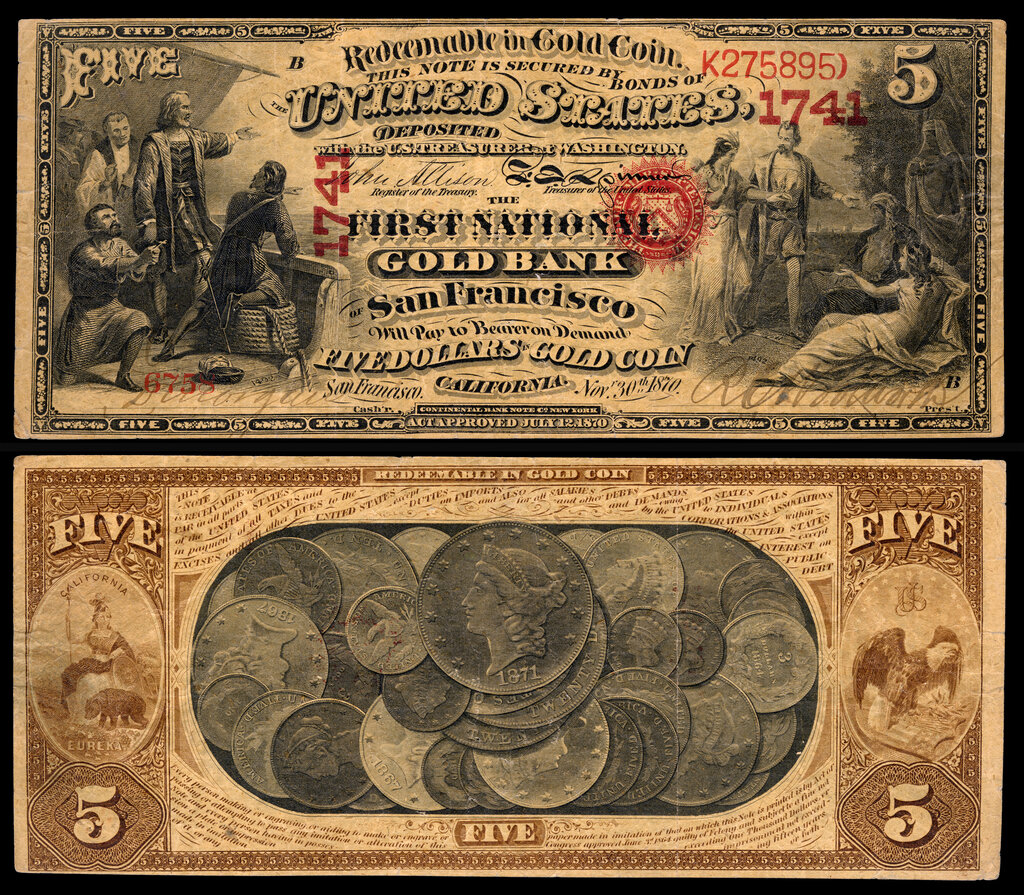
Eventually, most of the world moved to fiat currency. Fiat is a Latin word meaning "let it be done." Fiat money has value simply because a government declares it to be legal tender. It is not backed by a physical commodity. Its value comes from the trust people have in the government that issues it.
This system is more flexible. A government can manage the money supply to respond to economic needs. But it also places immense importance on trust. If people lose faith in a government or its currency, the value can collapse. The entire modern financial system is built on this foundation of collective belief, backed by the authority of the state to require its use for taxes and the settlement of debts.
Let's check your understanding of these core concepts.
According to the text, why is a bottle of water described as 'priceless' to someone in the desert but of little value to someone by a river?
A currency that is not backed by a physical commodity and has value because a government declares it as legal tender is known as what?
The transition from physical gold to government-backed currency was a major shift in how we think about value. It moved the source of value from an object's intrinsic properties to a shared social and legal agreement.