Mastering the Appreciative Inquiry Workshop
Topic Framing
The Define Phase
The first phase of the Appreciative Inquiry (AI) cycle is Define. This isn't about defining a problem. It's about defining what you want to study. The topic you choose sets the entire direction for the change process. A well-framed topic focuses energy on what works, while a poorly-framed one can accidentally keep you stuck in the past.
The questions you ask determine the answers you get. In AI, the goal is to ask questions that uncover strengths, successes, and positive potential.
This phase deliberately moves away from traditional problem-solving, which often starts by analyzing deficits. Instead of asking, "What's broken?", we ask, "What do we want more of?" The key is to select an affirmative topic that is both ambitious and grounded in reality. It should inspire people to imagine a better future while being connected to something they can actively influence.
The Art of the Flip
The most powerful tool in the Define phase is the strategic 'flip.' This is the mental shift from a problem-focused mindset to a possibility-focused one. It’s a simple but profound process that reframes negative complaints into positive, life-giving topics of inquiry. The 'flip' is where the magic begins.
Here’s how it works in three steps:
- Identify the Frustration: What is the common complaint or issue? Don't shy away from the negative here. Acknowledge what people are actually saying is wrong. Examples might be "low student engagement" or "terrible team communication."
- Find the Opposite: What is the direct opposite of that frustration? If the problem is low engagement, the opposite is high engagement. If it's terrible communication, the opposite is great communication. This step is usually straightforward.
- Define the Ideal Outcome: This is the creative leap. Go beyond the simple opposite and describe the vibrant, desired future. What does that positive state look and feel like? Instead of just "high engagement," you might frame the topic as "Creating Vibrant Scholarly Communities." Instead of "great communication," it could be "Fostering a Culture of Radical Candor."
The first step in appreciative inquiry is identifying the affirmative topic of choice.
This final step is crucial. "Vibrant Scholarly Communities" is an inquiry topic that generates energy and opens up new possibilities. It invites stories about peak moments of collaboration, connection, and intellectual excitement. It’s a topic you can build on. In contrast, focusing on "low engagement" only invites stories about what's wrong, which isn't helpful for building a better future. The language we use, a concept central to the work of thinkers like , directly shapes the reality we create.
| Frustration (Problem) | Simple Opposite | Affirmative Topic (Ideal) |
|---|---|---|
| Low student morale | High student morale | Cultivating Peak Learning Experiences |
| Inefficient library workflows | Efficient workflows | Designing the Seamless Research Journey |
| Poor inter-departmental communication | Good communication | Building Bridges for Collaborative Innovation |
| Students don't use the research database | Students use the database | Sparking Curiosity with Digital Resources |
Choosing and Scoping Your Topic
Once you've framed a few potential topics, the next challenge is choosing the right one and defining its scope. A good affirmative topic is a magnet for positive energy and action. It should be:
- Positive: Stated in affirmative language.
- Compelling: It should make people want to participate.
- Actionable: It should be within the group's power to influence.
- Grounded: It should connect to the organization's core mission and purpose.
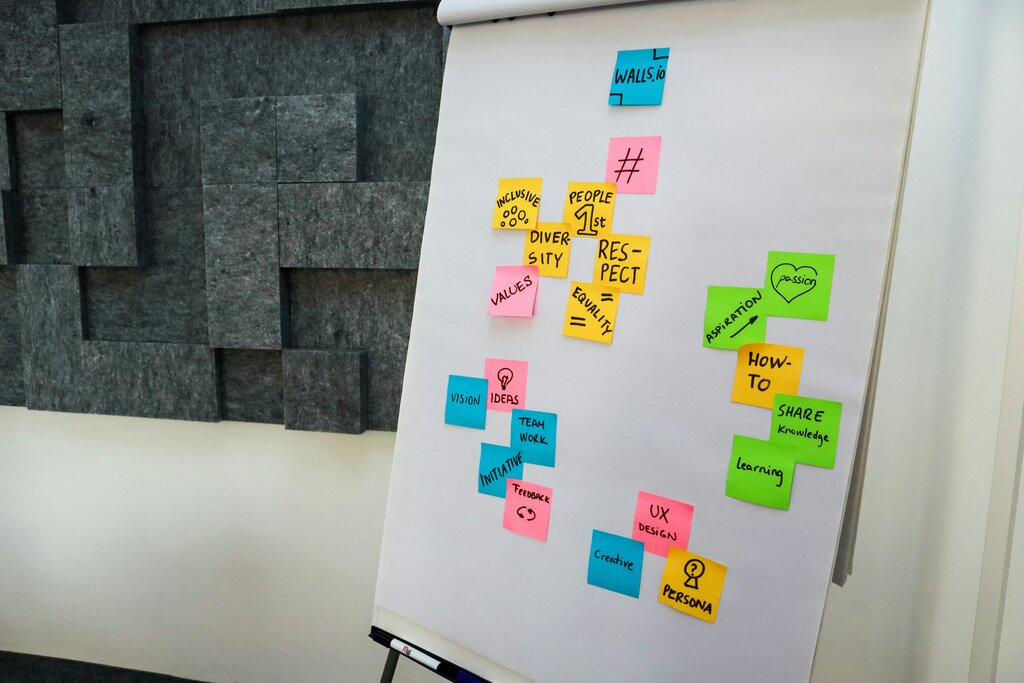
Defining the scope is equally important, especially in large institutions like a university. An inquiry into "Creating a Culture of Lifelong Learning" is inspiring, but it's too broad for a single department to tackle. You need to narrow the focus. Where does this process begin? Who needs to be involved?
A better scope for a university library might be, "Fostering Lifelong Learning Habits Through Our First-Year Experience Program." This is specific, measurable, and directly tied to the library's sphere of influence. It sets clear boundaries for the subsequent phases of the AI process: Discovery, Dream, Design, and Destiny. This structured approach is often called the .
A well-scoped topic provides a clear container for the inquiry. It tells you what's in-bounds and what's out-of-bounds, preventing the process from becoming overwhelming.
Now let's test your understanding of how to frame a powerful inquiry topic.
What is the primary purpose of the 'Define' phase in the Appreciative Inquiry cycle?
A university department is experiencing "low student engagement." Using the strategic 'flip' process, which of the following represents the most powerful and well-framed affirmative topic?
Choosing the right topic is the single most important decision in the entire Appreciative Inquiry process. It determines everything that follows.