Mastering the Amazon Ecosystem
Advanced Marketplace Mechanics
Decoding Amazon's A10 Algorithm
Getting your product listed on Amazon is just the first step. The real challenge is getting it seen. The key to visibility is understanding Amazon's search algorithm, often referred to as [{
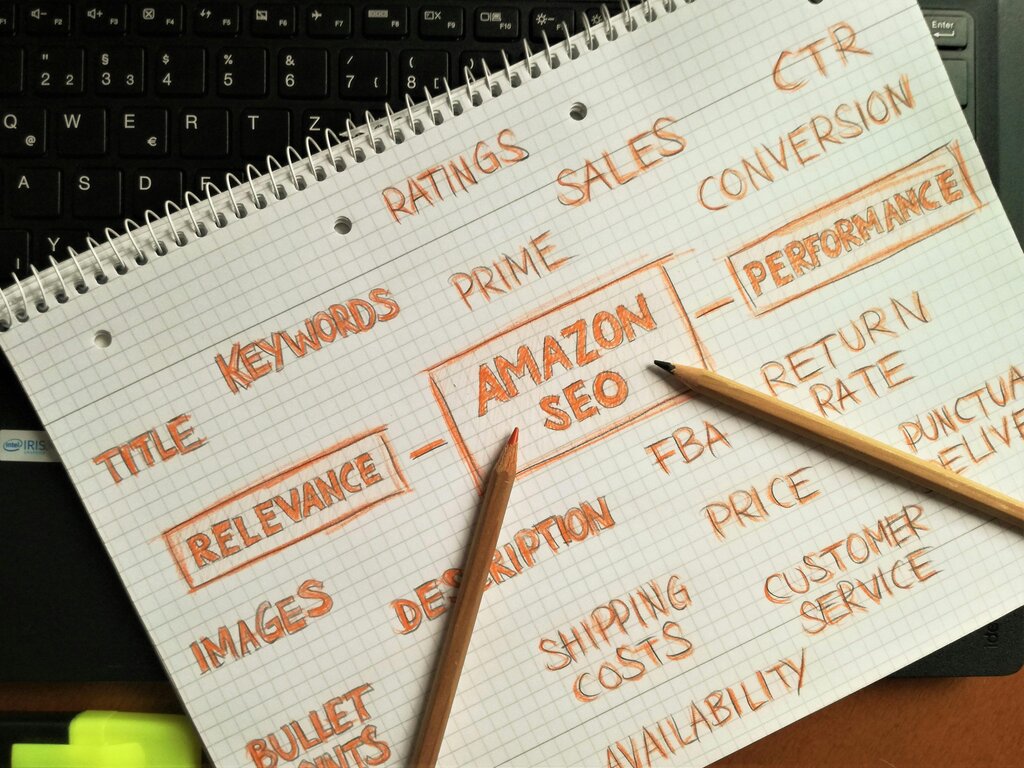
The algorithm heavily weights factors that indicate customer satisfaction and sales potential. Here are the big ones:
- Sales Velocity: The speed and volume at which your product sells. Consistent sales are a powerful ranking signal.
- Conversion Rate: The percentage of visitors to your product page who make a purchase. High conversion rates tell Amazon your product is desirable.
- Keywords: The strategic placement of relevant search terms in your title, bullet points, and backend keywords. This is fundamental to being found in the first place.
- Customer Reviews & Ratings: High ratings and positive reviews build trust and signal product quality to both customers and the algorithm.
- Price: Competitive pricing is crucial, not just for sales but for ranking well.
Think of the A10 algorithm as a gatekeeper. It's not just about relevance; it's about predicting which product will result in a satisfied customer and a sale for Amazon.
Winning the Buy Box
Over 80% of Amazon sales happen through the "Add to Cart" button in the Buy Box. If you're not in the Buy Box, you're practically invisible. Winning this coveted spot is not a matter of luck; it's the result of meeting specific performance criteria.
First, you must be [{
To increase your Buy Box winning rate, ensure your products are competitively priced, keep a strong seller rating, use FBA if possible, maintain adequate stock, and provide excellent customer service.
The most influential factors are:
- Fulfillment Method: Fulfillment by Amazon (FBA) is heavily favored. FBA products are automatically Prime-eligible, guaranteeing fast, reliable shipping, which Amazon prioritizes.
- Landed Price: This is the total cost to the customer, including shipping. The lower your landed price, the better your chances.
- Shipping Time: Faster shipping is always better. If you're not using FBA, your shipping speed is a critical metric.
- Seller Metrics: Your Order Defect Rate (ODR), Cancellation Rate, and Late Shipment Rate all need to be kept as low as possible. Excellent customer service is non-negotiable.
Protecting and Building Your Brand
As your brand grows, protecting it from counterfeiters and unauthorized sellers becomes crucial. This is where Amazon's Brand Registry comes in. It's a program that gives brand owners more control over their product listings and intellectual property on the platform.
Registering your trademark with Amazon gives you access to powerful tools to find and report violations. But the benefits go beyond protection. Brand Registry unlocks enhanced marketing features, most notably [{<A+ Content>|#Annotation:a-plus-content}].
A+ Content allows you to replace the standard text description on your product detail page with a visually rich layout. You can add high-quality images, comparison charts, and detailed text modules. This is your opportunity to tell a brand story, highlight key features, and address common customer questions. The result? A more engaging shopping experience that can significantly boost your conversion rate.
Choosing Your Model: Seller vs. Vendor
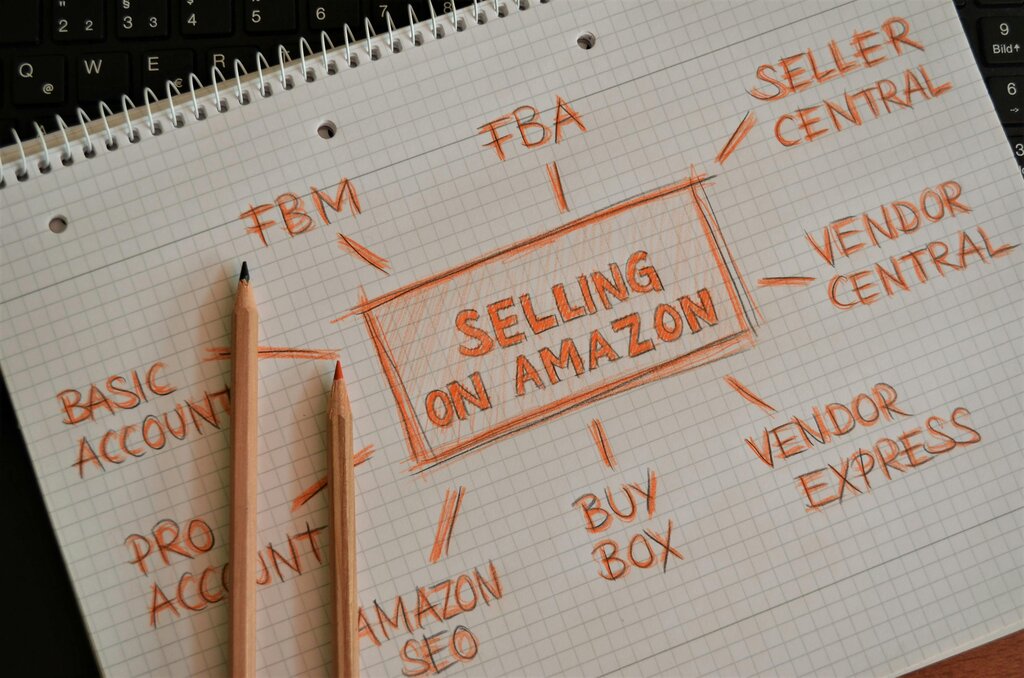
When selling on Amazon, you have two primary models: Seller Central and Vendor Central. The choice between them depends on your business size, goals, and how much control you want over your products.
- Seller Central: You sell directly to customers. You control your inventory, pricing, and listings. This is the most common model, especially for small to medium-sized businesses.
- Vendor Central: You sell your products to Amazon in bulk, which then sells them to customers. This is an invitation-only program, typically for major brands and manufacturers. In this model, Amazon controls the retail price and owns the inventory.
| Feature | Seller Central (3P) | Vendor Central (1P) |
|---|---|---|
| Relationship | Sell on Amazon | Sell to Amazon |
| Pricing Control | Full Control | Amazon sets the price |
| Inventory | You manage your stock | Amazon places bulk orders |
| Logistics | FBA or FBM (your choice) | Amazon handles all shipping |
| Payment Terms | Every 14 days | Net 30/60/90 days |
| Marketing Tools | Sponsored Products, Brands, Display | A+ Content, Vine (often free) |
| Customer Service | You handle (if FBM) | Amazon handles |
| Best For | Entrepreneurs, SMBs | Large brands, manufacturers |
Ultimately, the decision comes down to a trade-off between control and scale. Seller Central offers more control and flexibility, while Vendor Central offers the potential for massive volume and simplified logistics by making Amazon your single customer.
What is the primary objective of Amazon's A10 search algorithm?
According to the provided text, which factor is most heavily favored when competing for the Amazon Buy Box?