Mastering the Airbus A320 in MSFS 2020
Aircraft Familiarization
Stepping into the A320 Cockpit
Welcome to the flight deck of the Airbus A320. Unlike older aircraft filled with analog dials, the A320 features a "glass cockpit." This means most of the critical flight information is presented on large, clear digital displays. This design simplifies the pilot's workflow, putting essential data right where it's needed most.
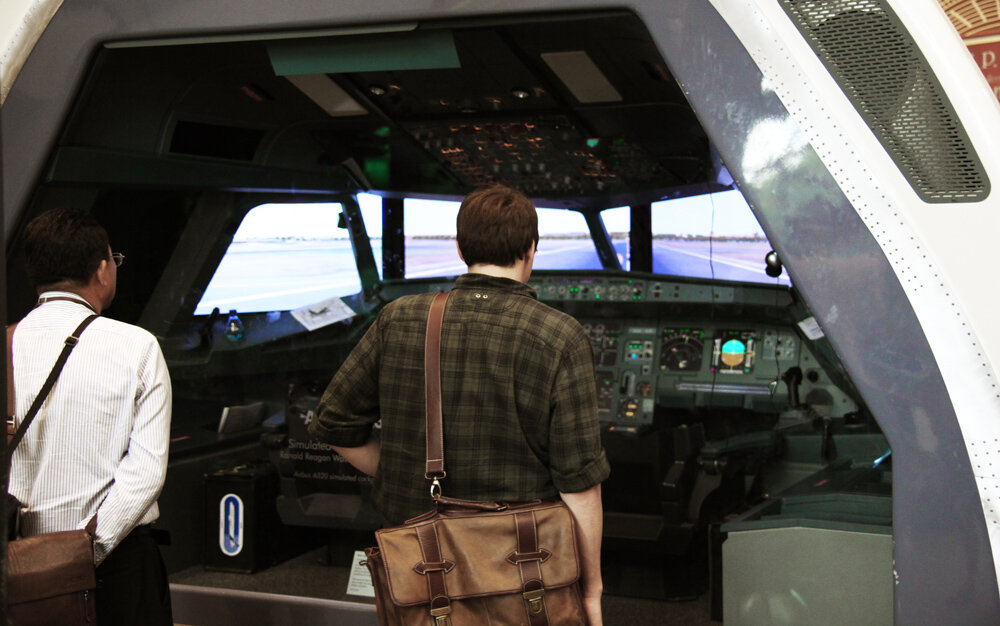
The Main Displays
Directly in front of each pilot are two main screens. The one on the left is the Primary Flight Display (PFD). It shows you the most critical information about the aircraft's state: its speed, altitude, and attitude (whether it's climbing, descending, or banking). Think of it as your artificial horizon, speedometer, and altimeter all in one.
Next to it is the Navigation Display (ND). This screen is your map. It shows your aircraft's position, heading, and programmed flight path. You can customize the view to see weather, terrain, or nearby airports.
Between the two pilot seats is the center pedestal. This area houses throttles, levers for flaps and speedbrakes, and the radio controls. In the A320, pilots don't use a traditional yoke. Instead, they fly the plane using a sidestick, located on the outboard side of each seat. It's a bit like a joystick, providing precise control over the aircraft's roll and pitch.
The Overhead Panel
Look up, and you'll see a ceiling full of buttons and switches. This is the overhead panel. While it may look intimidating, its layout is logical. It's where you manage the aircraft's core systems.
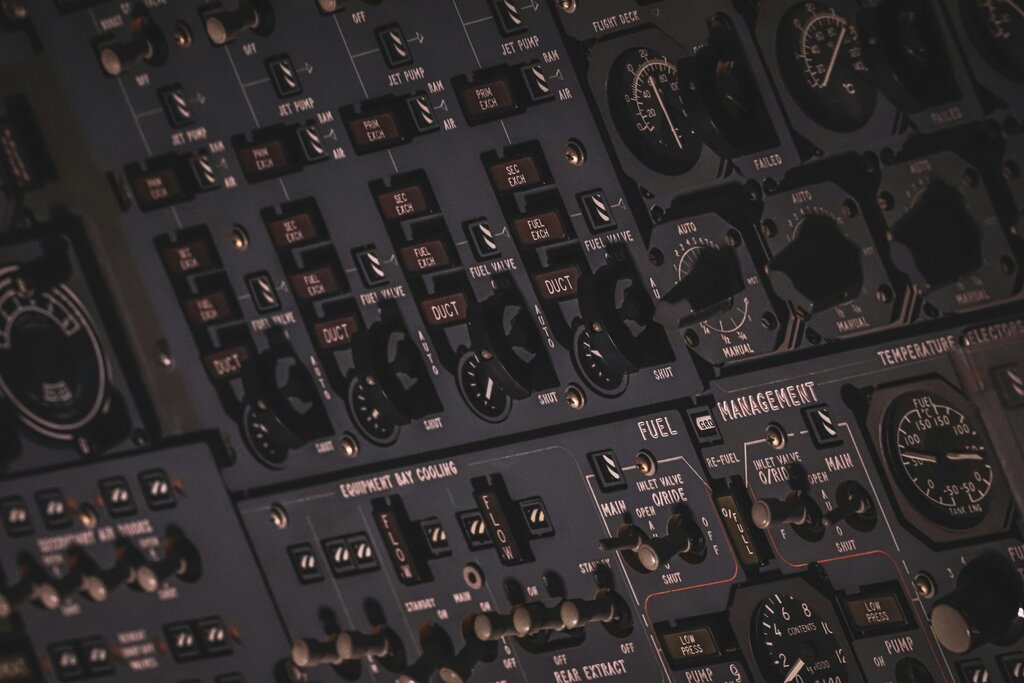
The overhead panel is typically used to prepare the aircraft for flight and is rarely touched after takeoff unless an abnormal situation occurs. For now, just know where to find it.
The switches are grouped by function. For example, you'll find controls for the fuel pumps, which move fuel from the tanks to the engines. The electrical system, which powers everything from the cockpit displays to the cabin lights, is managed from here. You'll also find controls for the hydraulic systems, which provide the pressure needed to move the flight controls and landing gear. Think of this panel as the aircraft's breaker box and systems management center.
Throttle Quadrant and Controls
Back on the center pedestal is the throttle quadrant. The two large levers control engine thrust. Pushing them forward increases power. The A320's throttles have distinct positions, or detents, for different phases of flight, such as takeoff and climb.
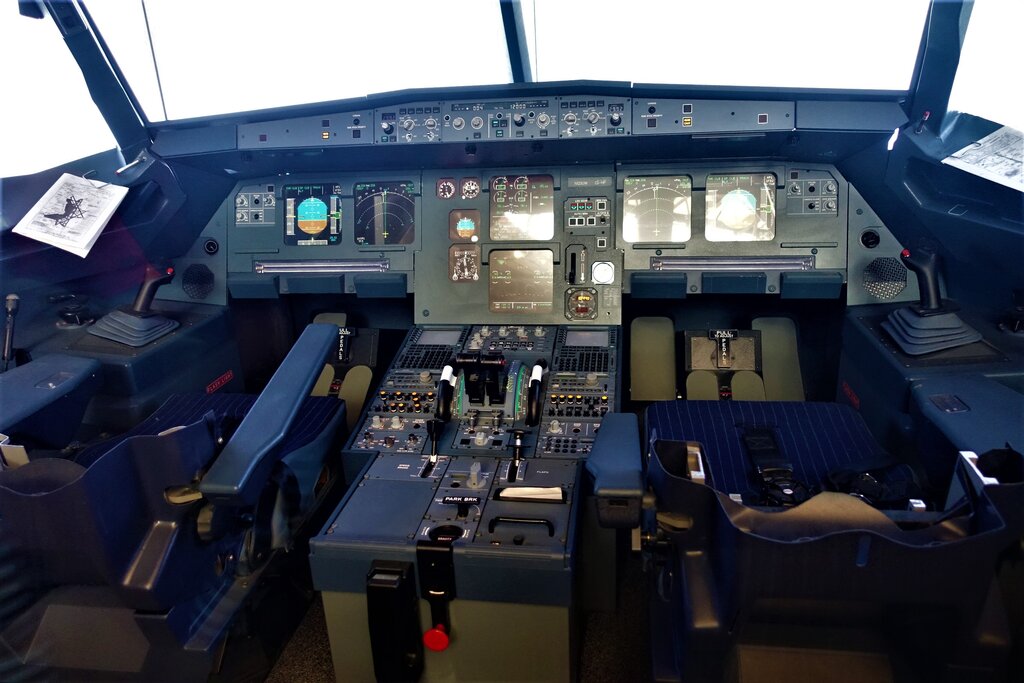
Alongside the throttles are levers for flaps and spoilers. Flaps are extended from the trailing edge of the wings to increase lift during takeoff and landing. Spoilers, or speedbrakes, are panels on top of the wings that can be raised to increase drag and reduce speed. Together, these controls give the pilot direct command over the aircraft's energy and configuration.
Getting comfortable with this layout is the first step to mastering the A320. Take some time in the simulator to simply look around and identify each of these key areas.
In the A320's "glass cockpit," what is the primary function of the Navigation Display (ND)?
Instead of a traditional yoke, A320 pilots use a _______ to control the aircraft's roll and pitch.