Mastering the Air Walk Dance Move
Introduction to Dance Illusions
The Art of Illusion in Dance
Some dance moves seem to defy physics. A dancer might appear to float, glide backward while walking forward, or snap from one position to another in the blink of an eye. These moments aren't magic—they're illusions. A dance illusion is a movement that tricks our perception, making us see something that isn't actually happening.
The goal is to create a moment of wonder. Dancers use illusions to captivate an audience, playing with expectations to make a performance more dynamic and memorable. It's the physical equivalent of a magician's sleight of hand. The dancer directs your attention, using precise, isolated movements to create an effect that looks impossible.
The core of a dance illusion is misdirection. The dancer makes you focus on one part of the body while another part does the real work.
A Brief History of Trickery
Creating illusions through movement is nothing new. It has roots in mime and pantomime, where performers used their bodies to create imaginary objects and scenes. Think of Marcel Marceau pretending to be trapped in a box; his hands and body language create walls that don't exist.
In the 20th century, theatrical dance forms took this idea even further. Black light theatre, for example, uses UV lighting and fluorescent costumes to make dancers appear to float, separate into parts, or vanish entirely. The illusion is a combination of movement, costume, and technology.
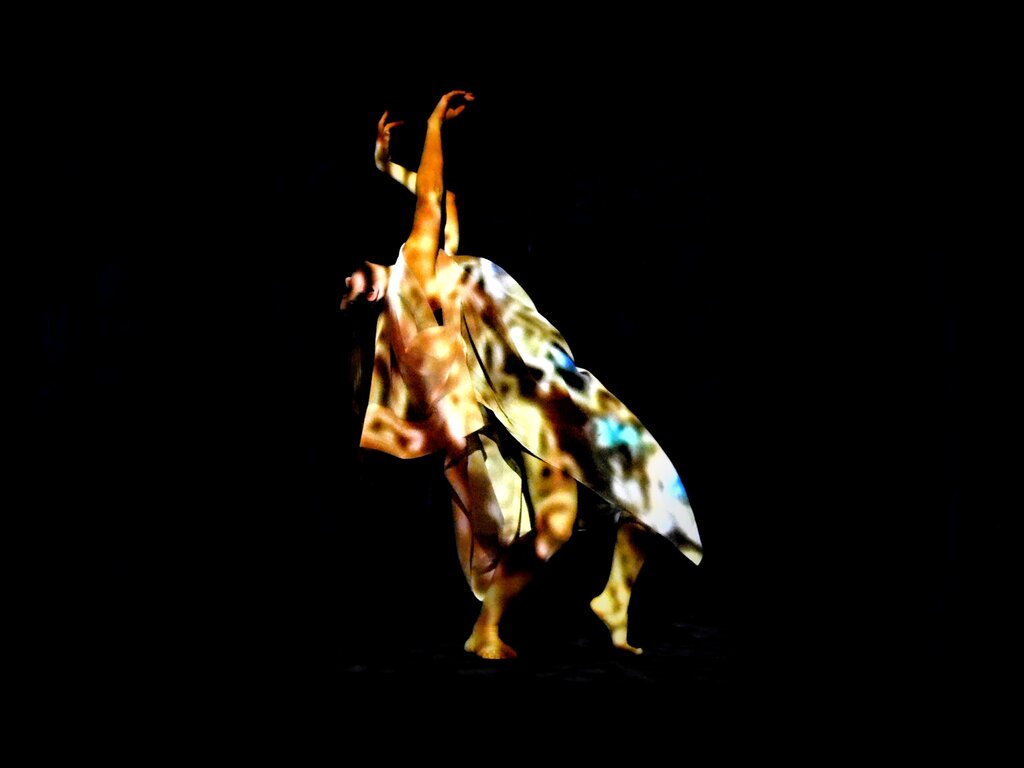
From these theatrical roots, street dancers began developing their own illusions. Popping, locking, and waving all rely on creating robotic or fluid movements that seem unnatural. These styles laid the groundwork for specific moves, like the 'air walk,' which isolates parts of the body to create the illusion of gliding.
How Your Brain Sees the Dance
Dance illusions work because they exploit how our brains process visual information. Your brain is a pattern-making machine. It constantly takes shortcuts to make sense of the world quickly. When we see someone walking, we have a clear mental model of how their feet, legs, and body should move.
Illusionary dance moves deliberately break these patterns. A dancer might move one foot in a way that suggests forward motion while their body subtly shifts backward. Your brain receives conflicting signals: the leg says 'forward,' but the body's position says 'backward.' In that moment of confusion, the brain defaults to the most visually compelling explanation—the illusion of floating.
This is achieved through muscle isolation, speed control, and smooth transitions. By keeping the upper body perfectly still while the feet perform a complex sequence of movements, a dancer can sell the illusion. Understanding this interplay between movement and perception is the first step to mastering an illusion yourself.