Mastering the ADDIE Instructional Design Model
Introduction to Instructional Design
What Is Instructional Design?
Instructional design is the process of creating learning experiences that are effective, engaging, and help people achieve specific learning goals. Think of it as creating a blueprint for learning. An architect doesn't just start throwing bricks and wood together to build a house. They create a detailed plan first, considering who will live there, what they need, and the best way to construct a solid, functional home. Instructional designers do the same for learning.
They systematically plan and structure educational content. Instead of just presenting information, they consider the learners, the goals of the instruction, and the most effective ways to deliver the material. The aim is to make sure learning isn't just a passive activity, but an experience that sticks.
Instructional design is the systematic process of developing and organizing educational content to meet specific learning objectives—playing a pivotal role in the success of online learning.
Frameworks for Learning
To guide their work, instructional designers often use established frameworks or models. These models provide a structured process to follow, ensuring that all key aspects of the learning experience are considered. There are many different models, each with its own strengths and focus, but they all share the goal of creating a logical and effective path from not knowing something to mastering it.
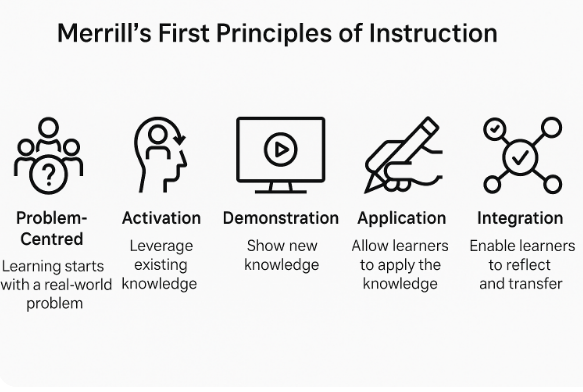
These frameworks help designers move beyond abstract ideas about learning and apply them in a practical, real-world way. They act as a checklist and a guide, prompting the designer to think through each step of the creation process, from initial analysis to final evaluation.
Introducing the ADDIE Model
One of the most well-known and widely used instructional design models is ADDIE. It’s a flexible framework that has been a cornerstone of the field for decades. The name itself is an acronym for the five phases of the process:
Analysis Design Development Implementation Evaluation
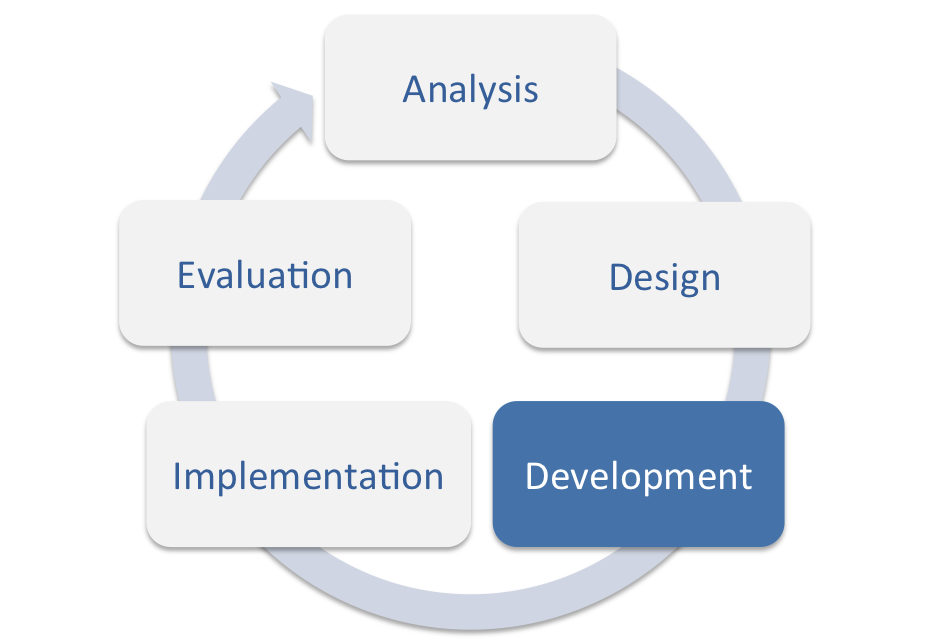
Each phase represents a key stage in building a learning experience. You start by analyzing the needs of the learner, then design a blueprint for the instruction, develop the actual materials, implement the course, and finally, evaluate its effectiveness. While the steps are listed sequentially, the process is often cyclical. Insights from the evaluation phase can loop back to inform a redesign, creating a continuous cycle of improvement.
A good example is ADDIE (Analysis, Design, Development, Implementation, Evaluation), the model that is the bedrock for most learning professionals.
Now that you have a basic understanding of instructional design and its most common model, let's test your knowledge.
What is the primary goal of instructional design?
The provided text compares an instructional designer to which other profession to explain their role in planning?
Understanding these foundational concepts is the first step. In the next sections, we'll dive deeper into each phase of the ADDIE model, starting with Analysis.