Mastering the 4th Grade ELPAC
ELPAC Overview
What is the ELPAC?
The English Language Proficiency Assessments for California, or ELPAC, is a test given to students whose primary language is not English. Its main job is to figure out how well these students understand and use English. Think of it as a yearly check-in to measure a student's progress in learning the language.
Schools use the ELPAC for two key reasons. First, it helps identify students who need extra support to become proficient in English. Second, it tracks their progress over time. This information is crucial for teachers and schools to provide the right kind of help so every student can succeed in their classes, which are taught primarily in English.
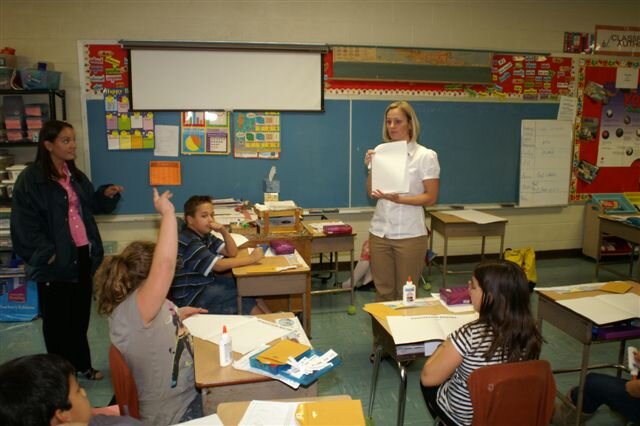
The test has two main parts. The Initial ELPAC is given to new students to see if they are English learners. The Summative ELPAC is given to all English learners each year to see how they are doing. This article focuses on the Summative ELPAC.
The Four Language Skills
Becoming fluent in a language isn't just one skill; it's a combination of several. The ELPAC measures a student's ability across four key areas, called domains. These cover both how we understand language and how we use it to communicate.
| Domain | What It Measures |
|---|---|
| Listening | Understanding spoken English in academic and social settings. |
| Speaking | Communicating ideas and information clearly in spoken English. |
| Reading | Comprehending written English in stories and informational texts. |
| Writing | Expressing ideas and information effectively in written English. |
By testing these four distinct domains, the ELPAC provides a complete picture of a student's English abilities. It shows their strengths and the areas where they might need more practice.
Scoring and Performance Levels
After a student takes the ELPAC, their answers from the four domains are used to calculate an overall score. This score then places them into one of four performance levels. These levels describe a student’s current stage on the path to full English proficiency.
Here’s a quick breakdown of what each level means:
- Level 1: Beginning to Develop. Students at this level have very limited skills in English.
- Level 2: Somewhat Developed. Students can use English for some basic communication, but with noticeable difficulty.
- Level 3: Moderately Developed. Students can use English effectively in most familiar situations, but still need support.
- Level 4: Well Developed. Students can use English proficiently in a wide range of academic and social contexts, similar to their native English-speaking peers.
The goal is for students to progress through these levels until they are reclassified as fluent in English. Understanding this structure helps parents and teachers work together to support a student's journey in language learning.
What is the main reason schools use the ELPAC?
A student who is new to a California school and whose primary language is not English would first take the ______ to determine if they are an English learner.