Mastering the 30-Second Elevator Pitch
Understanding Elevator Pitches
The 30-Second Opener
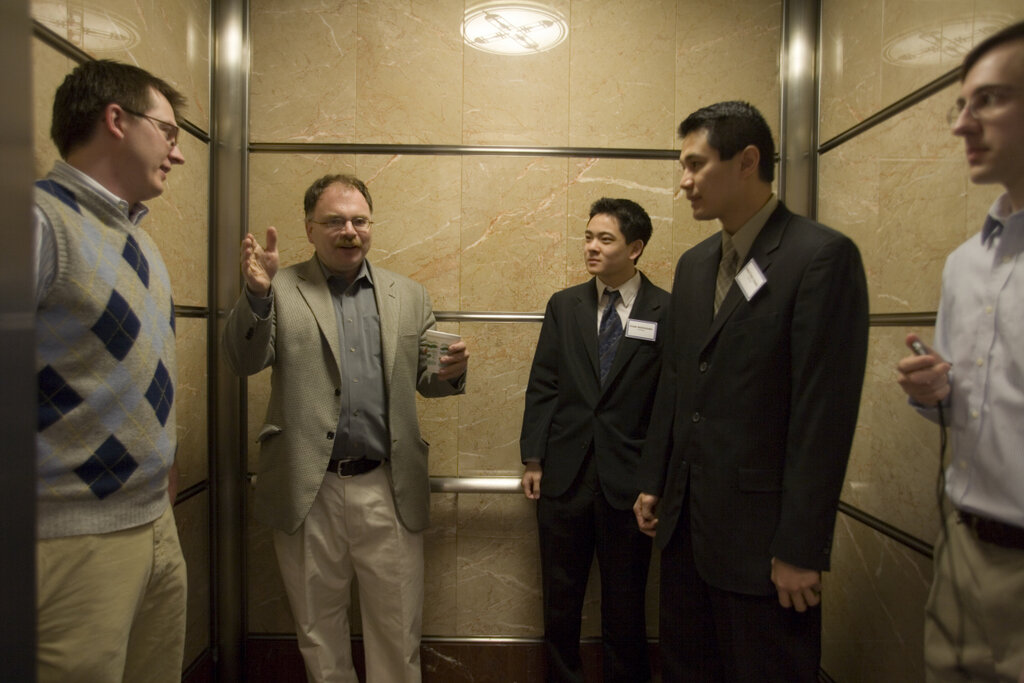
Imagine you step into an elevator and find yourself next to someone who could change your career—a potential investor, a hiring manager, or a key contact. You have until their floor to make an impression. That short, powerful summary of who you are, what you do, or what your idea is about is an elevator pitch.
The goal isn't to tell your entire story or close a deal on the spot. It's to be so clear and compelling that the other person wants to continue the conversation. A great pitch is an invitation. It's a hook that makes someone say, "Tell me more."
An elevator pitch is a conversation, or an ice breaker, that will (hopefully) lead into a deeper dialogue about the functionality, and specialty, of what you and your company can offer.
Why It Matters
Opportunities don't always announce themselves. You might meet a valuable contact at a conference, in a coffee shop, or during a project meeting. Being able to explain your value quickly and clearly is a vital professional skill. It ensures you're always ready to make a strong first impression.
Without a prepared pitch, it's easy to stumble over your words or miss the key points that make you or your idea stand out. Having one ready builds confidence and helps you navigate crucial career moments with poise.

Anatomy of a Great Pitch
Effective elevator pitches share a few core qualities. They are designed to be easily understood and remembered, leaving a lasting, positive impression.
A strong pitch is concise, clear, and compelling. Every word serves a purpose.
First, it must be concise. The time constraint is real. You generally have about 30 to 60 seconds, or the length of a short elevator ride, to get your message across. This forces you to focus only on what's most important.
Next, it must be clear. Avoid jargon, acronyms, or overly technical terms that could confuse your listener. The message should be simple enough for someone outside your field to grasp immediately.
Finally, it has to be compelling. A pitch isn't just a list of facts; it's a story. It should grab the listener's attention and make them curious. It answers the silent question in their mind: "Why should I care?"
| Characteristic | What It Means |
|---|---|
| Concise | Gets to the point in under a minute. |
| Clear | Uses simple language anyone can understand. |
| Compelling | Sparks interest and makes the listener want more. |
Now that we know what an elevator pitch is and why it's so important, we can start thinking about how to build one.