Mastering the 30-Second Elevator Pitch
Understanding Elevator Pitches
The 30-Second Opener
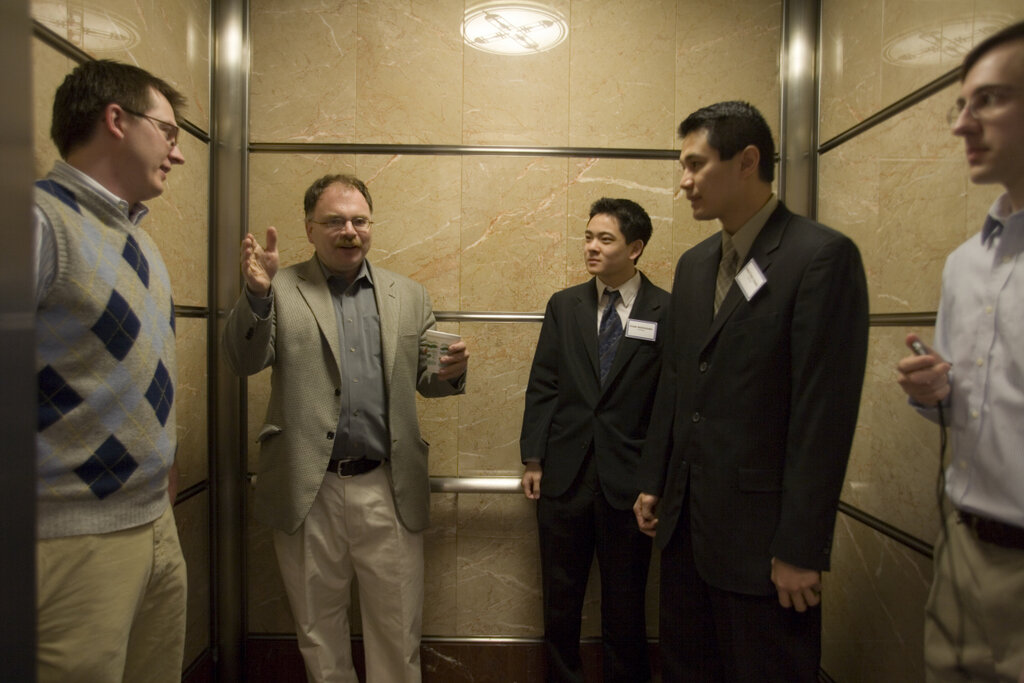
You step into an elevator and notice the person next to you is a top investor you've wanted to meet for months. You have until their floor to make an impression. What do you say?
This is the classic scenario that gives the "elevator pitch" its name. It’s a short, persuasive speech you can use to spark interest in who you are and what you do. The goal isn't to tell your entire life story or close a deal on the spot. It’s to say just enough to make the other person interested and want to hear more.
Elevator Pitch
noun
A concise and persuasive speech designed to spark interest in a product, idea, or oneself within a brief timeframe, typically 30 to 60 seconds.
Think of it as a verbal business card. It's a quick, clear summary that helps you make the most of brief opportunities. A great pitch opens the door for a future conversation, whether that's a scheduled meeting, a follow-up email, or just exchanging contact information.
Why It Matters
In a world of short attention spans, being able to communicate your value quickly is a superpower. You never know when you'll meet someone who could be a potential client, employer, or partner. Having a polished elevator pitch means you're always prepared for that moment.
It’s a versatile tool. You can adapt it for job interviews, networking events, or even social gatherings when someone asks, "So, what do you do?" A clear, confident answer is much more memorable than a rambling, unstructured one. It shows you're professional, you understand your own value, and you respect the other person's time.
An effective elevator pitch opens doors — it’s your introduction to professional acquaintances, colleagues, and potential employers.
The Core Components
A strong elevator pitch has a simple, logical flow. While the exact wording will change depending on the situation, the core structure generally includes four key pieces of information.
- Who you are: Start with a brief introduction. State your name and your title or what you specialize in.
- What you do: Clearly explain your product, service, or idea. Focus on the problem you solve or the need you fill, not just the features.
- Why it matters: This is your unique value proposition. What makes you or your idea different? What is the key benefit for the listener or their organization?
- What you want: End with a clear call to action. This could be a request to schedule a longer meeting, exchange business cards, or get an introduction to someone else.
When to Use It
The elevator pitch isn't just for elevators. It's a fundamental communication tool for many professional situations.
You might use one at a networking event to introduce yourself to new contacts, during a job interview to answer the classic "Tell me about yourself," or at the start of a sales meeting to grab the client's attention.
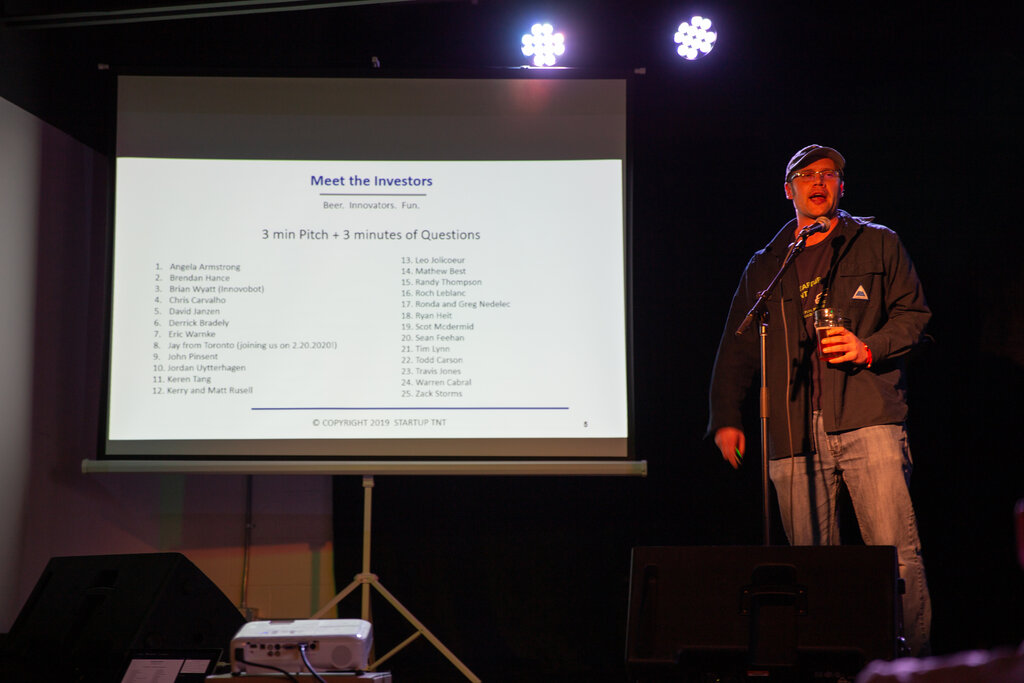
Entrepreneurs use it constantly when talking to potential investors, partners, and customers. It’s the first step in getting someone interested enough to learn more about their venture. By having a clear and compelling pitch ready, you can turn any chance encounter into a valuable opportunity.
Now, let's check your understanding of these core concepts.
What is the primary goal of an elevator pitch?
According to the typical structure, which of the following elements is NOT a key part of an elevator pitch?
Mastering the elevator pitch is about being prepared. It ensures you can communicate your value clearly and confidently, no matter the situation.