Mastering the 30-Second Elevator Pitch
Understanding Elevator Pitches
The 30-Second Introduction
Imagine stepping into an elevator and realizing you're sharing the ride with the one person who could change your career. You have until their floor to make an impression. What do you say? This scenario is the origin of the "elevator pitch."
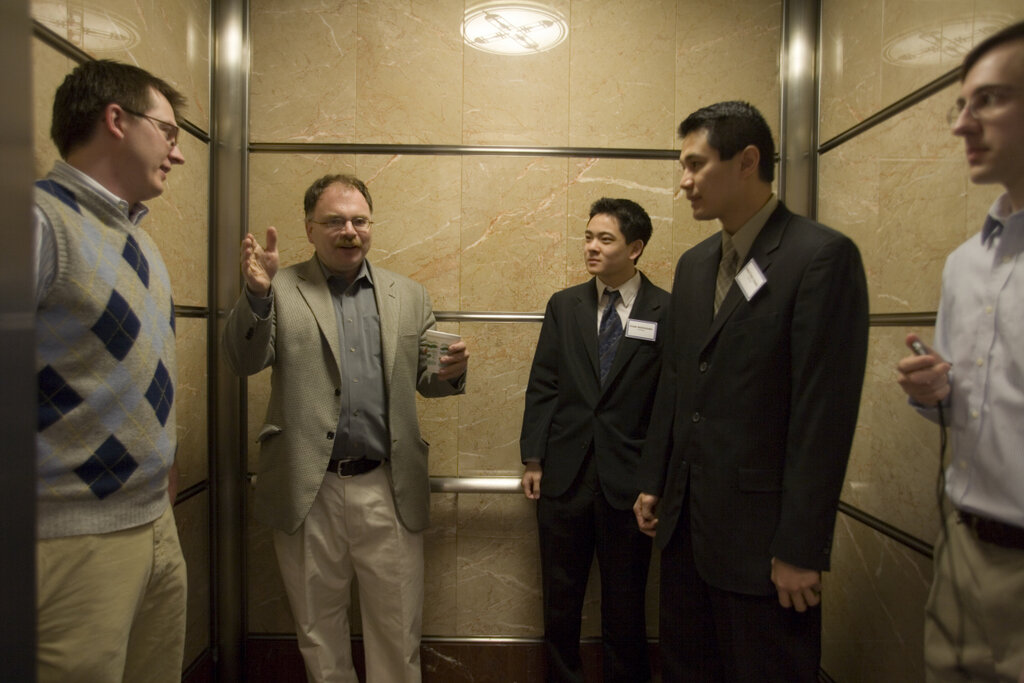
It’s a short, persuasive speech that explains an idea, a project, or yourself in a way that's easy to understand. The goal isn't to tell your entire story. It's to spark enough curiosity that the listener wants to hear more. Think of it as a verbal business card, designed to open the door for a longer conversation later.
An elevator pitch (or elevator speech) is a concise, compelling summary of your public health story that can be delivered in the time it takes to ride an elevator.
Your Professional Swiss Army Knife
An elevator pitch is a fundamental tool in countless professional situations. At a networking event, it's how you introduce yourself without rambling. In a job interview, it's the perfect answer to "Tell me about yourself." When meeting a potential investor, it's the hook that gets them interested in your business idea.
In each case, the purpose is the same: to make a memorable first impression and establish your value quickly. A well-prepared pitch shows you are articulate, confident, and clear about your goals. It respects the other person's time by getting straight to the point.
A great pitch isn't about closing a deal on the spot; it's about opening a conversation.
Anatomy of an Effective Pitch
A strong elevator pitch has a few key characteristics. It’s not just what you say, but how you package it. The best pitches are immediately understandable, even to someone unfamiliar with your field. They avoid jargon and complex explanations.
| Characteristic | Description |
|---|---|
| Concise | Typically 30 to 60 seconds long. Short enough to hold attention. |
| Clear | Uses simple language. The core message is impossible to miss. |
| Compelling | Grabs the listener's interest and makes them want to know more. |
| Confident | Delivered with self-assurance, which builds credibility. |
The pitch should be tailored to your audience. While the core message might stay the same, the angle you take could change depending on whether you're talking to a potential employer, a client, or a collaborator. The focus is always on what the listener will find most valuable or interesting.
What is the primary goal of an elevator pitch?
An effective elevator pitch is often described as a 'verbal business card'.
Having a polished elevator pitch ready means you'll never miss an opportunity to make a connection.