Mastering the 12 Times Table
Understanding Multiplication
What is Multiplication?
At its core, multiplication is a way to count things in equal-sized groups. If you have 3 bags with 4 apples in each, you could count every single apple. Or, you could multiply to get the answer much faster.
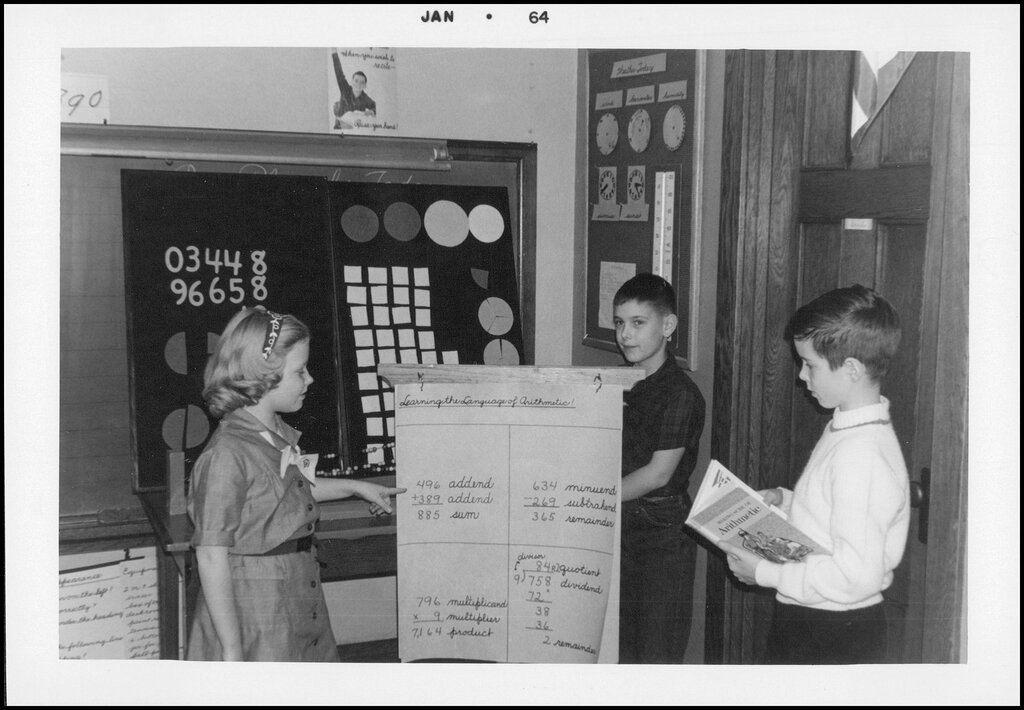
Multiplication uses a special symbol, the times sign (), to show that we are combining groups. The two numbers you're multiplying are called factors. The first number is often called the multiplicand (the number being multiplied), and the second is the multiplier (the number of times you multiply it). The answer you get is called the product.
A Shortcut for Addition
The simplest way to think about multiplication is as repeated addition. Instead of adding a number to itself over and over, you can just multiply.
Let's go back to our apples. We have 3 bags with 4 apples each. To find the total, you could add them up:
Or, you could write this as a multiplication problem:
Both methods get you to the same answer, but multiplication is much quicker, especially with bigger numbers. Imagine adding 4 to itself 20 times. Multiplication makes it a single, simple step.
Multiplication is just a fast way of doing addition when you're adding the same number again and again.
Order Doesn't Matter
One of the most useful rules in multiplication is that the order of the numbers doesn't change the product. This is called the commutative property.
For example, gives you the same answer as . Three groups of four is the same total as four groups of three. You can visualize this with a simple grid.
No matter how you arrange the groups, the total number of items stays the same. This simple rule can make solving problems much easier.
Finally, it’s important to teach learners that multiplication problems are the same no matter what order the multiples are given.
Understanding these basic ideas is the first step toward mastering multiplication. It's not about memorizing facts right away, but about seeing how and why it works. Now, let's check what you've learned.
Multiplication is essentially a faster way to perform which other mathematical operation?
In the equation , what is the number 30 called?
With this foundation, you're ready to start exploring the multiplication tables.