Mastering Tender Executive Summaries
Understanding Tender Submissions
What is a Tender?
Imagine a large company needs to build a new office building. They can't just pick a construction firm at random. Instead, they need a fair and organized way to find the best partner for the job. This is where the procurement process, and specifically tenders, come in.
Tender
noun
A formal, structured invitation to suppliers for the submission of a bid to supply goods or services.
A tender submission is a formal offer made in response to this invitation. It's a detailed document where a company outlines its proposal, including how it will meet the requirements, the timeline, and the cost. Think of it as a comprehensive job application, but for a company instead of an individual.
The goal of this process is to ensure transparency and competition. The organization requesting the work—the client—can compare different offers on a level playing field, evaluating them based on price, quality, experience, and other criteria laid out in the initial invitation.
The First Impression
Tender documents can be incredibly long and complex, sometimes running hundreds of pages. Evaluators, who may be reviewing dozens of submissions, don't have time to read every single word of every proposal right away. They need a shortcut to the most important information.
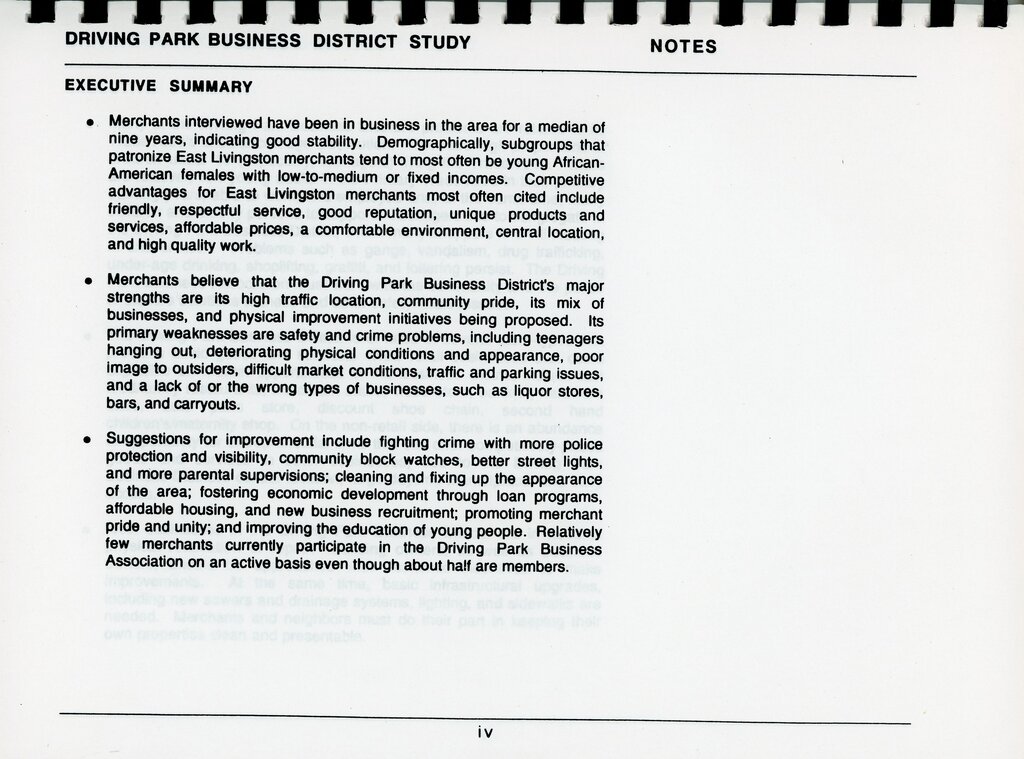
This is where the executive summary comes in. It's a short, standalone section right at the beginning of the tender document.
The executive summary is your elevator pitch. Its job is to grab the evaluator's attention and convince them that your proposal is worth a closer look.
A good executive summary condenses the entire proposal into a few powerful paragraphs. It should briefly introduce your company, demonstrate that you understand the client's needs, and highlight the key benefits of your solution. It summarizes the most compelling points of your offer, making a strong case for why you are the best choice for the contract.
It’s the first thing an evaluator reads, and if it's not clear, concise, and persuasive, it might also be the last.
Why It Matters
In a competitive procurement process, the executive summary can make or break your submission. It frames the entire proposal and sets the tone for how the rest of the document will be perceived.
Imagine an evaluator with a stack of ten thick tender documents on their desk. The first one has a confusing, poorly written executive summary. The second has a summary that is sharp, clear, and directly addresses their biggest concerns. Which proposal do you think they'll be more excited to read in detail?
A strong executive summary shows professionalism and respect for the evaluator's time. It proves that you can communicate effectively and get straight to the point. It's your single best opportunity to make a positive first impression and differentiate your bid from the competition.
Comprehensive tender document analysis forms the foundation of every successful bid, requiring meticulous examination of all provided materials to understand project requirements fully.
Essentially, while the full tender provides the detailed evidence, the executive summary tells the story. It connects the dots and presents your company's value proposition in a compelling narrative that evaluators can quickly grasp and remember.
Ready to check your understanding?
What is the primary purpose of a tender submission?
From an evaluator's perspective, what is the most significant function of a well-written executive summary?
By understanding the role of tenders and the critical importance of the executive summary, you're better prepared to see how these documents function in the business world.