Mastering Temporal Landmarks for Self-Care
Understanding Temporal Landmarks
The Calendar of You
Some days just feel different. A birthday isn't just another Tuesday. The first day of a new year feels charged with possibility. These moments act like signposts on our personal timelines, separating the past from the future. They are more than just dates on a calendar; they are psychological milestones.
Temporal Landmark
noun
A specific time, such as a date or an event, that marks a significant transition or a new beginning in a person's life.
Temporal landmarks fall into two main categories. First, there are the shared, cultural ones that many people observe together. Think of New Year's Day, the first day of spring, or a national holiday. They create a collective sense of a fresh start.
Then there are the personal landmarks, which are unique to you. These include birthdays, anniversaries, the start of a new job, or even the date you moved to a new city. These moments are powerful because they are tied directly to your own life story.
The Fresh Start Effect
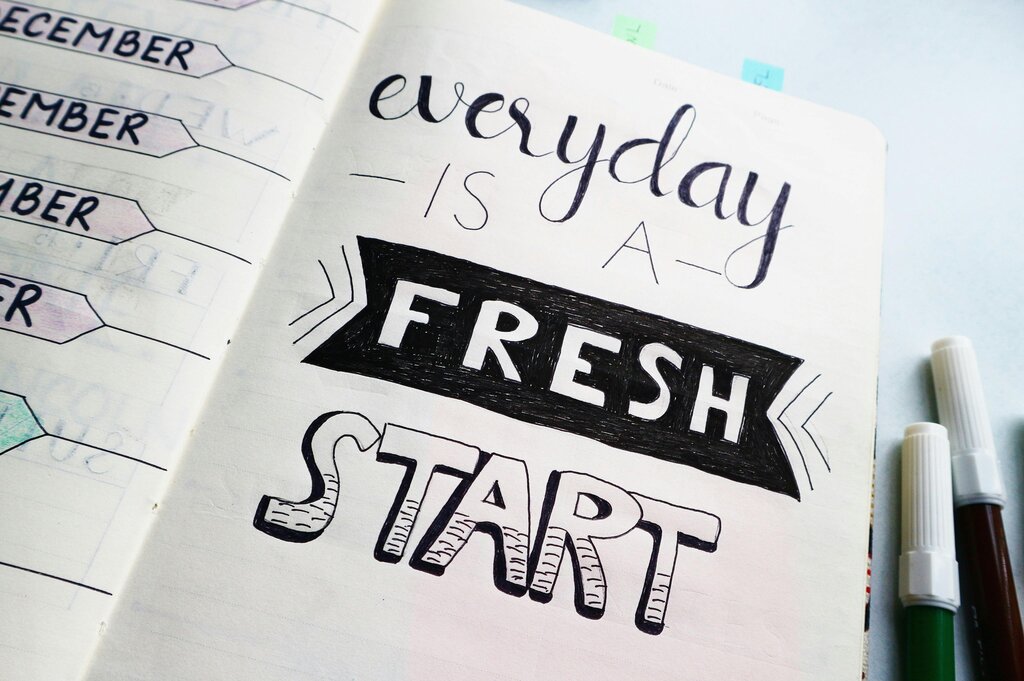
Why do these specific days motivate us to set new goals or change our behavior? Psychologists call this the "fresh start effect." Temporal landmarks help us create a mental dividing line between our past and future selves.
Imagine your life is a book. A temporal landmark is like the end of a chapter. It gives you a natural point to close the book on past mistakes or shortcomings and start a new chapter with a clean slate. This mental separation makes us feel more capable of change. The 'old you' struggled to wake up early, but the 'new you,' starting on the first of the month, can definitely do it.
This psychological distance from our past failures boosts our optimism and strengthens our motivation to pursue our goals, whether it's learning a new skill, starting a fitness routine, or saving money.
Temporal landmarks create a clean slate, making our goals feel more achievable.
Landmarks Big and Small
While big dates like birthdays and New Year's are powerful, the fresh start effect can be triggered by more frequent landmarks, too. The beginning of a new week (Monday), a new month, or the start of a new season can all serve as mini-reboots.
Even a significant life event, like graduating, starting a new career path, or ending a major project, can function as a powerful personal landmark. It marks the end of one era and the beginning of another, providing a perfect opportunity to reflect and set new intentions.
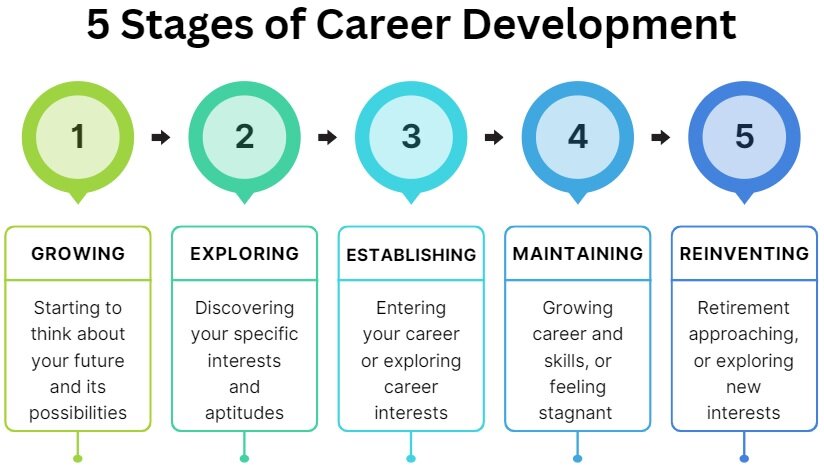
Recognizing these moments allows us to harness their motivational power. They are natural, recurring opportunities to check in with ourselves, evaluate our progress, and aim for something new.
What is the psychological phenomenon that explains why a specific date, like the first day of the month, can motivate people to set new goals?
Which of the following is an example of a shared, cultural temporal landmark?
By understanding these natural turning points in our lives, we can better understand our own patterns of motivation.