Mastering Technical Writing for Software Engineering
Advanced Documentation Strategies
Make Documentation a Living Process
Traditional documentation has a shelf life. It’s often created in a final rush before a product launch, and by the time it’s published, it’s already on its way to being obsolete. As the software evolves with new features and bug fixes, the static documents left behind become unreliable guides, causing confusion for both users and developers.
The solution is to stop treating documentation as an afterthought. Instead, think of it as a living, breathing part of your project that evolves right alongside your code. This requires shifting from a static mindset to a dynamic one, where documentation is continuously integrated into the development lifecycle.
The most effective documentation practices treat documentation as a living process rather than a static requirement.
Embrace Continuous Documentation
Continuous documentation is the practice of updating documentation in small, frequent increments throughout the development process. Instead of waiting until the end of a cycle, you make documentation a part of your daily workflow. When you fix a bug, you update the relevant guide. When you add a new API endpoint, you document it in the same commit.
This approach mirrors the principles of continuous integration (CI) for code. Just as CI helps catch bugs early by integrating code frequently, continuous documentation ensures that your docs are always accurate and in sync with the product. It makes documentation a shared responsibility, not a task siloed to one person or team.
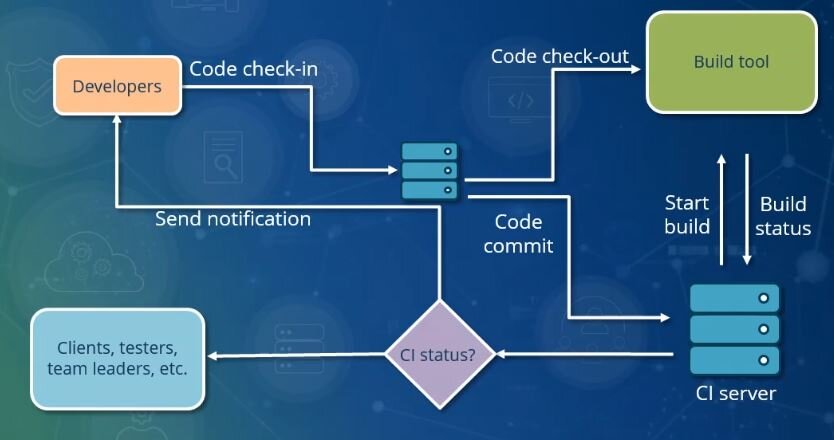
To put this into practice, start small. Include documentation tasks as part of your team's regular planning, like in sprint backlogs. A feature isn't truly "done" until it's documented. Require that pull requests for new features or significant changes include corresponding documentation updates. This small shift in process makes a massive difference in quality and accuracy.
Treat Docs Like Code
One of the most powerful ways to maintain living documentation is to treat it just like source code. This means storing it in the same version control system, like Git, and subjecting it to the same review and collaboration processes.
When documentation lives in a Git repository, you get a complete history of every change. You can see who changed what, when, and why. You can use branches to work on documentation for new features in isolation, and then merge those changes back into the main branch when the feature is ready. Pull requests become the mechanism for peer-reviewing documentation, catching errors and improving clarity before it's published.
This "docs as code" approach also encourages developers to contribute. They are already comfortable with Git, pull requests, and lightweight markup languages like Markdown. Lowering the barrier to contribution makes it more likely that documentation will be kept up-to-date by the people who know the code best.
Explore Documentation-Driven Development
For some projects, it makes sense to take things a step further with documentation-driven development (DDD). In this methodology, you write the documentation before you write the code.
This might sound backward, but it forces you to think through the user experience and API design from the very beginning. By writing the user guides or API reference first, you create a clear contract for what the software should do. This documentation becomes the blueprint that guides the implementation.
Writing documentation first forces clarity of thought. If you can't explain a feature simply, you might need to rethink the feature itself.
DDD is particularly effective for APIs. By drafting the API documentation, you define the endpoints, request payloads, and response structures. This draft can then be shared with other teams who will use the API. They can provide feedback and identify potential issues before a single line of implementation code is written, saving significant time and rework later.
Ready to test your knowledge on these advanced strategies?
What is the primary problem with traditional documentation practices as described in the text?
The practice of "continuous documentation" mirrors the principles of which other software development practice?